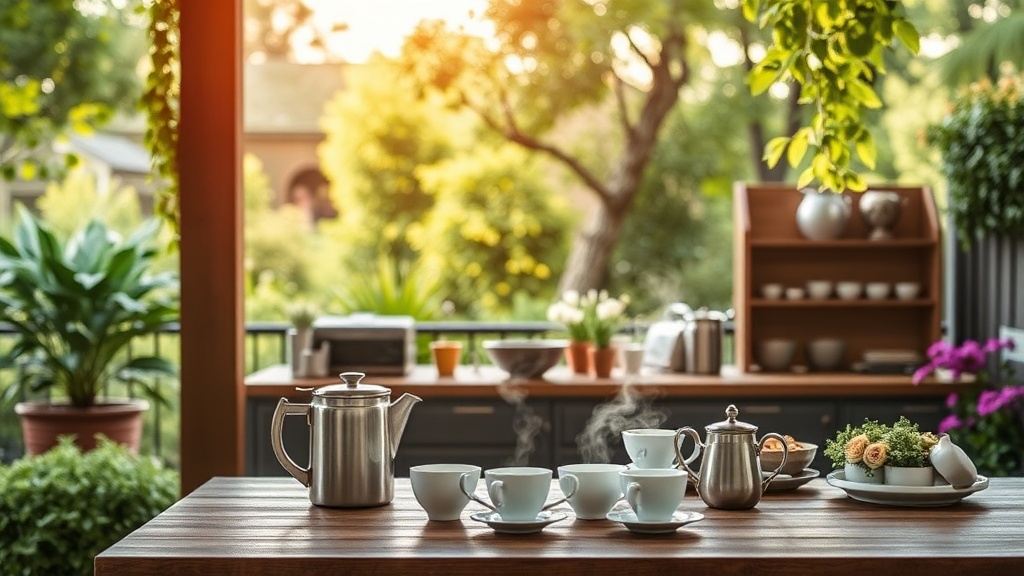
Brewing Bliss: Designing a Custom Outdoor Tea Station

Many people believe that a high-end outdoor lifestyle requires a full outdoor kitchen with built-in gas ranges and heavy granite countertops. This misconception often prevents gardeners from creating functional, beautiful spaces because they feel they lack the budget or the square footage for a permanent installation. In reality, a custom outdoor tea station is far more versatile, intimate, and achievable. Whether you are tucking a small kettle setup into a corner of your herb garden or building a dedicated wooden sideboard near a patio, a tea station is about the sensory connection between the beverage in your cup and the living landscape surrounding you.
Defining Your Tea Station Concept
Before purchasing a single ceramic mug or a teak side table, you must determine the primary function of your station. A tea station can serve several distinct roles depending on your garden layout. A "Harvest Station" is built directly adjacent to your perennial beds, focusing on the immediate accessibility of fresh herbs. A "Zen Station" is positioned in a quiet, shaded corner, perhaps near a water feature, designed for solitary meditation. A "Social Station" is a more robust setup located near your main seating area, designed to serve guests during afternoon gatherings.
Consider the topography of your garden. If you have a sloped yard, a mobile tea station on a heavy-duty rolling cart, such as a Suncast resin utility cart or a vintage metal bar cart, allows you to move the experience to the most level ground. If you have a flat patio, a stationary piece like a West Elm acacia wood console table provides a more permanent, architectural feel. The goal is to create a focal point that feels like a natural extension of your outdoor living space rather than an afterthought.
Selecting the Foundation: Furniture and Surfaces
The surface of your tea station must be durable enough to handle moisture and temperature fluctuations. If you are opting for a permanent wooden structure, ensure you use weather-resistant hardwoods like Teak or Ipe. These woods contain natural oils that resist rot and can withstand the humidity of a lush, productive garden. If you prefer a more modern, industrial aesthetic, a powder-coated steel table will offer a sleek look that requires minimal maintenance.
When choosing a surface, think about the "footprint" of your tea-making process. You need space for three distinct zones:
- The Prep Zone: A flat area for a cutting board to chop fresh mint, lemon balm, or chamomile.
- The Brewing Zone: A heat-resistant surface for a kettle, a tea press, or a warming tray.
- The Service Zone: A clear space for pouring, adding sweeteners, and setting down cups.
For those working with limited square footage, integrating a vertical element is essential. You can use a wall-mounted spice rack or a small wooden trellis to hang dried herb bundles, which adds vertical interest and keeps your workspace clear. This approach is particularly effective if you are nurturing a vertical oasis in a smaller backyard, as it utilizes air space rather than floor space.
The Living Ingredient: Integrating an Herb Garden
A true tea station should be "living." Instead of relying on store-bought tea bags, design your station to be surrounded by or integrated with edible plants. This creates a closed-loop system where your beverage is as fresh as the garden itself. To make this functional, plant your herbs in containers that are easily accessible from the tea station surface.
I recommend a mix of perennial and annual herbs to ensure a constant supply. For a classic English tea profile, plant English Lavender (Lavandula angustifolia) and Chamomile (Matricaria chamomilla). For a more vibrant, citrus-forward profile, plant Lemon Verbena and Spearmint. If you have a sunny spot near your station, Lemon Balm is an incredibly resilient plant that thrives in many climates and provides a bright, calming note to iced teas.
Pro-Tip: Use terracotta pots for your herbs. The porous nature of the clay allows the roots to breathe and helps prevent overwatering, which is a common mistake when growing herbs in plastic or glazed ceramic. Arrange these pots on different levels using wooden crates or tiered plant stands to create a lush, tiered effect around your station.
Essential Equipment and Temperature Control
The biggest challenge of an outdoor tea station is temperature regulation. Unlike an indoor kitchen, you cannot easily rely on a stovetop. You have two primary options: Portable Heat or Insulated Service.
For a more ritualistic experience, use a portable butane stove or a small tabletop fire pit designed for cooking, such as those made by Solo Stove. This allows you to boil water directly in a cast-iron kettle, adding a primal, cozy element to your tea time. If you prefer something more controlled, a high-quality electric kettle with temperature control is a game-changer. You can run an outdoor-rated extension cord to a weatherproof outlet to ensure you can hit the exact temperature required for delicate green teas (around 175°F) versus robust black teas (212°F).
For serving, invest in high-quality thermal carafes. A Zojirushi stainless steel thermos can keep water hot for several hours, which is vital if you are enjoying your tea in a shaded corner of the garden away from the main house. Additionally, keep a selection of glass teapots on hand; seeing the color of the infusion through the glass adds a beautiful visual layer to the experience.
Aesthetic Details: Lighting and Texture
A tea station should transition beautifully from the bright afternoon sun to the soft light of dusk. Lighting is the most critical element for creating ambiance. Avoid harsh, overhead floodlights; instead, opt for layered, low-intensity light sources. String lights with warm-toned Edison bulbs, such as those from Bright Made, can drape from nearby trees or a pergola to define the space. Small, solar-powered LED lanterns placed at the base of your herb containers will provide a soft glow that highlights the textures of your plants.
Texture is just as important as light. Mix materials to create a sense of depth. A smooth marble tray for your tea sets provides a sophisticated contrast to the rough texture of a wooden table or a stone patio. Incorporate organic elements like a small stone bowl for honey or a ceramic jar for loose-leaf tea. If your station is near a more structured area, you might want to balance it with a low-maintenance Zen rock garden to add a sense of stillness and intentionality to the design.
Maintenance and Seasonal Transitions
Because this station is located outdoors, it requires a specific maintenance routine to prevent it from becoming a cluttered or neglected corner. Every few weeks, wipe down your surfaces with a damp cloth and a mild, eco-friendly cleaner to remove pollen and dust. If you are using wooden furniture, apply a food-safe oil, such as Walnut Oil, once a season to maintain the wood's luster and prevent cracking.
As the seasons change, your tea station should evolve. In the spring and summer, focus on iced infusions using mint and hibiscus. In the autumn and winter, shift your focus to warming spices and hardy herbs. You might swap out your light linen napkins for heavy, textured wool throws draped over the seating nearby. If you have a fire pit nearby, you can easily integrate the tea station into a larger evening ritual, much like crafting a backyard fire pit sanctuary, using the tea to complement the warmth of the fire.
By treating your tea station as a curated, living part of your garden rather than just a piece of furniture, you create a space that encourages presence. It becomes more than a place to drink; it becomes a destination for mindfulness, a way to taste the very garden you have worked so hard to cultivate.
Steps
- 1
Select Your Foundation
- 2
Curate Your Tea Essentials
- 3
Add Natural Accents
- 4
Set the Ambiance