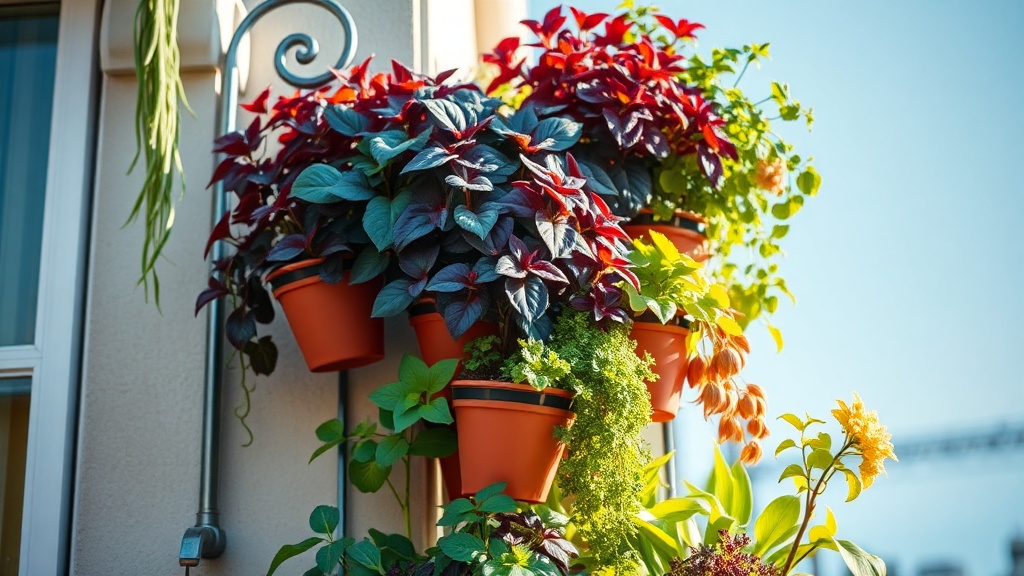
Nurturing Your Vertical Oasis: A Guide to Vertical Gardening in Small Spaces

The Myth of the Square Foot
Many novice gardeners believe that a lack of horizontal real estate is a permanent barrier to a productive garden. They look at a tiny concrete balcony in a city center or a narrow side yard between a garage and a fence and see a dead end. This is a fundamental misunderstanding of how plants actually function. A plant does not require a vast expanse of flat ground to thrive; it requires light, nutrients, a substrate, and a structural support system. By shifting your focus from the ground to the vertical plane, you aren't just "decorating" a wall—you are expanding your ecosystem's footprint.
Vertical gardening is the art of utilizing the Z-axis to maximize biomass. Whether you are growing heavy-yielding heirloom tomatoes, cascading succulents, or fragrant climbing jasmine, the vertical method allows you to cultivate a high density of life in a minimal footprint. This approach is particularly effective for urban dwellers who want to transition from ornamental window boxes to a functional, edible, and wild living wall.
Choosing Your Structural Foundation
The success of a vertical garden depends almost entirely on the integrity of your support system. You cannot simply lean a trellis against a wall and expect it to hold a heavy, water-soaked vine of Passiflora (Passionflower) by mid-July. You must select a structure that matches the weight and growth habit of your intended plants.
1. Trellises and Obelisks: These are ideal for heavy climbers like Runner Beans (*Phaseolus coccineus*) or Clematis. For a sturdy, permanent installation, look for cedar or teak wood rather than cheap plastic, as the weight of wet soil and mature foliage can easily snap flimsy supports. If you are working on a balcony, a lightweight metal obelisk can add height without creating a wind-sail effect.
2. Wall-Mounted Pocket Systems: Felt or fabric pockets are excellent for herbs like Thyme (*Thymus vulgaris*) and Mint (*Mentha*), but they require a specific management strategy. Because fabric allows for high aeration, these pockets dry out much faster than traditional pots. I recommend using a heavy-duty felt system like those from Greenings or Vertical Garden Solutions, which are designed to prevent root rot while maintaining moisture.
3. Modular Plastic Systems: These are often seen in commercial "living wall" installations. They are highly durable and great for controlling drainage, making them perfect for high-traffic areas like a patio. If you are looking to transform your patio into a Mediterranean oasis, modular systems allow you to group heat-loving plants like Rosemary and Lavender in a controlled, structured environment.
The Physics of Irrigation and Drainage
The biggest mistake in vertical gardening is treating a vertical planter exactly like a standard garden bed. Gravity is your primary antagonist here. In a vertical system, water naturally migrates downward. This creates two distinct problems: the top plants often become parched, while the bottom plants become waterlogged and prone to fungal issues like powdery mildew.
To combat this, implement a tiered irrigation strategy. If you are using a pocket system, consider a drip irrigation kit with individual emitters for each level. A Rain Bird drip system, for example, can be calibrated to deliver precise amounts of water to each tier. If you are using a vertical tower, such as a Gardena vertical garden kit, ensure the drainage holes are clear of debris to prevent "pooling" at the base, which can lead to root rot in your lower crops.
Pro-Tip: When potting vertical plants, use a high-quality, lightweight potting mix rather than heavy garden soil. A mix containing perlite, vermiculite, and coconut coir (rather than peat moss) will provide the necessary aeration and moisture retention without adding excessive weight to your wall or structure. This ensures that even the highest plants receive a consistent supply of oxygen and water.
Selecting the Right Species for the Vertical Plane
Not every plant is built for the vertical climb. To create a lush, multi-dimensional garden, you must categorize your plants by their growth habit: climbers, trailers, and uprights.
- Climbers (The Structural Backbone): These plants use tendrils, twining stems, or adhesive pads to ascend. Excellent choices include Lonicera (Honeysuckle) for fragrance, or edible options like Pole Beans and Malabar Spinach. These plants provide the height and "skeleton" of your garden.
- Trailers (The Softeners): These plants spill over the edges of pockets or the base of a trellis. Use Creeping Jenny (*Lysimachia nummularia*) for a bright green texture, or trailing Strawberries (*Fragaria × ananassa*) for an edible, cascading effect. They fill the gaps and create a sense of abundance.
- Uprights (The Anchors): These are smaller, bushier plants that sit in the middle of your vertical structure. They provide volume and density. Think of Dwarf Basil or Chives, which add bulk without becoming unruly.
When planning your layout, always place the most light-demanding plants at the top and the shade-tolerant species at the bottom. As the upper foliage grows, it will naturally cast shadows on the lower tiers. For example, if you are building a garden against a south-facing wall, place your Sun-loving Peppers at the top and your Shade-loving Lettuce or Ferns at the base.
Maintenance: Pruning and Nutrient Management
Vertical gardens require more frequent "intervention" than traditional ground gardens. Because the plants are more densely packed, they can quickly become a tangled, unproductive mess if not managed. Regular pruning is not just an aesthetic choice; it is a biological necessity to ensure airflow and prevent disease.
Pruning for Airflow: Every two weeks during the peak growing season, check the interior of your climbing plants. If the foliage is becoming too dense, use garden snips to thin out the center. This allows air to circulate, which is critical for preventing the humidity-related diseases that plague vertical systems. If you are growing heavy climbers like Clematis, prune the spent blooms immediately to encourage new growth and prevent the plant from becoming "leggy."
Nutrient Delivery: In a vertical system, nutrients are washed away more quickly due to the constant movement of water through the medium. I recommend a "fertigation" approach—adding a liquid organic fertilizer to your water supply. A diluted seaweed extract or a fish emulsion (like Neptune’s Harvest) provides a gentle, consistent boost of micronutrients that won't burn the roots in a high-drainage environment.
"A vertical garden is a living, breathing machine. It requires constant calibration, but the reward is a lush, productive ecosystem that defies the limitations of your square footage."
Designing for the Night: The Moon Garden Concept
Vertical gardens offer a unique opportunity to play with light and shadow. Because these gardens are often positioned near walls or fences, they act as a backdrop for evening ambiance. If you want to extend the enjoyment of your vertical oasis into the night, consider the principles of a moon garden. By incorporating white-flowering climbers like Jasminum polyanthum or silver-foliaged plants like Artemisia, your vertical structure will catch and reflect the moonlight, creating a luminous, ethereal effect.
This approach works beautifully with low-voltage LED uplighting. Place a small spotlight at the base of a trellis to highlight the texture of a climbing vine. This adds depth to your small space and makes the garden feel much larger than it actually is once the sun goes down.
Summary Checklist for Vertical Success
- Assess Weight Capacity: Ensure your wall or balcony can support the weight of a saturated vertical structure.
- Prioritize Drainage: Never use heavy garden soil; use a lightweight, aerated potting mix.
- Plan for Gravity: Place water-hungry plants at the bottom and sun-loving plants at the top.
- Install Drip Irrigation: Avoid the "dry top, soggy bottom" trap with a dedicated irrigation system.
- Prune Regularly: Maintain airflow to prevent fungal issues in dense vertical foliage.
Vertical gardening is a testament to the fact that creativity is more important than acreage. By looking up, you open a world of possibility for your home, turning a blank wall into a thriving, edible, and wildly beautiful part of your life.