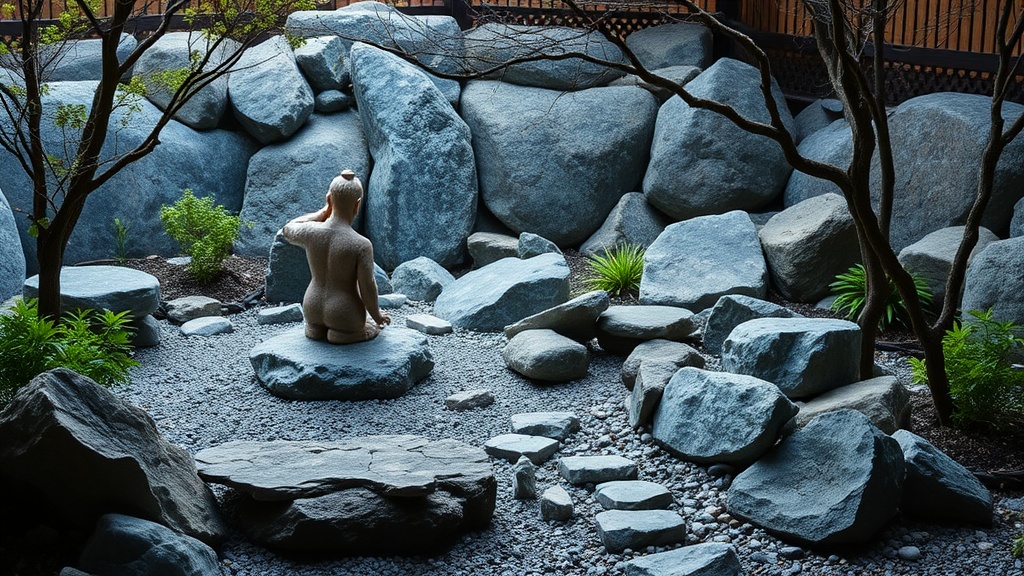
Sculpting with Stones: Designing a Low-Maintenance Zen Rock Garden

Many people assume that a Zen rock garden, or karensansui, requires a massive footprint and a high level of specialized training to achieve a sense of peace. They see the meticulously raked gravel of Kyoto’s Ryoan-ji temple and think it is an unattainable aesthetic for a suburban backyard. In reality, a rock garden is not about replicating a Japanese temple; it is about the intentional use of negative space, texture, and weight to create a focal point of stillness. You do not need an acre of land to create a sanctuary; a small corner of a patio or a narrow strip alongside a fence is more than enough to cultivate a sense of profound calm.
The Foundation: Selecting Your Stone and Substrate
The most common mistake in amateur rock garden design is treating stone as mere "filler." To create a professional look, you must select stones that possess character and a sense of permanence. You are looking for stones that feel like they have always been there, rather than items that were recently pulled from a bag at a big-box hardware store.
The Anchor Stones (Ishi)
Every successful rock garden needs a hierarchy of stones. Start with a "primary" stone—this is your largest, most sculptural piece. Look for weathered basalt, granite, or limestone. This stone should have an asymmetrical, organic shape. A jagged, upright piece of weathered fieldstone provides a sense of strength, while a rounded river boulder offers a softer, more meditative energy. Avoid perfectly spherical stones, as they can look artificial. Once your primary stone is set, choose two or three "secondary" stones that are smaller in scale but share a similar geological DNA. If your primary stone is a rough-textured grey granite, your secondary stones should not be smooth, colorful sea glass.
The Substrate (Gravel vs. Sand)
The material you use to fill the space between stones dictates the maintenance level and the visual texture of the garden. While traditional Zen gardens often use fine white sand, sand is difficult to maintain in a backyard setting because it blows away and requires constant replenishment. Instead, opt for crushed stone or pea gravel.
- Crushed Granite: Offers a rugged, high-contrast look that stays in place well.
- Decomposed Granite (DG): Provides a more natural, earthy texture that blends seamlessly with surrounding vegetation.
- River Pebbles: Best for areas where you want a smoother, more fluid appearance, often used in "dry stream" designs.
For a truly professional finish, ensure your gravel size is consistent. A 1/4-inch to 3/8-inch size is ideal for raking patterns, as it is heavy enough to stay put but fine enough to hold the ridges created by a wooden rake.
Designing with Negative Space and the "Dry Stream" Technique
In a traditional garden, the empty space is just as important as the objects within it. This is the concept of ma, or the intentional void. When placing your stones, do not cluster them in the center of the bed. Instead, group them in odd numbers—three or five is a classic rule—and allow the gravel to flow around them. This creates a sense of movement and prevents the garden from looking cluttered.
A highly effective technique for adding visual interest without adding much water-intensive maintenance is the "dry stream" (karesansui). This involves using a winding path of larger river stones or different colored gravel to simulate a flowing river through your garden. This adds a sense of direction and rhythm to the space. If your garden is adjacent to a patio, a dry stream can serve as a beautiful border that separates the hardscape from your more lush, perennial beds. This technique is particularly effective if you are looking to transform your patio into a Mediterranean oasis, as it provides a structured, architectural element that complements sun-loving plants.
The Art of Raking: Creating Rhythms in the Stone
Raking is not just a way to tidy up; it is a meditative practice that defines the character of your garden. The patterns you create in the gravel represent elements of nature: water, wind, or clouds.
- Concentric Circles: Use these around your primary stones to suggest ripples in a pond. This draws the eye directly to your focal point.
- Linear Striations: Long, straight lines suggest a calm, steady current in a river. These are best used in the larger, open areas of the garden.
- S-Curves: These mimic the movement of wind through dunes or the winding path of a stream. They add a sense of organic fluidity to the design.
To achieve these patterns, invest in a high-quality wooden garden rake with wide teeth. A standard garden rake is too aggressive and will create uneven, messy lines. For a more controlled approach, you can use a specialized Zen rake or even a hand-held wooden rake. When raking, work from the furthest point toward yourself to avoid stepping on your freshly created patterns. If you find your gravel is too light or prone to wind, consider a slightly larger grade of crushed stone to hold the shape more effectively.
Integrating Vegetation: The "Living" Element
While a rock garden is primarily stone-based, adding a few well-placed plants prevents the space from looking sterile or "dead." The key is to use plants that offer structure and texture rather than overwhelming color. You want plants that complement the stillness of the stones, not compete with them.
Moss and Groundcovers
Moss is the quintessential companion for a rock garden. It softens the hard edges of the stones and adds a sense of ancient, weathered beauty. If you live in a drier climate where traditional moss might struggle, consider Sagina subulata (Irish Moss) or Sedum varieties. These provide a lush, green carpet that stays low to the ground and requires minimal intervention. If you want to introduce a bit more height, use architectural plants like Ophiopogon planiscapus 'Nigrescens' (Black Mondo Grass) or certain varieties of Carex (Sedges). These provide striking silhouettes without the high-maintenance needs of flowering perennials.
Seasonal Interest
If you want a touch of color, look toward plants that bloom subtly. A single, well-placed Japanese Maple (Acer palmatum) in the background can provide a stunning canopy of color in the autumn, while a few clumps of blue fescue grass can add a cool, calming tone to the summer months. If your garden is situated in a way that it can be enjoyed in the evening, consider incorporating plants that respond to moonlight, much like the principles used in creating a moon garden. White-flowering plants or those with highly textured foliage will catch the light and add a layer of mystery to your stone sanctuary.
Practical Maintenance and Long-Term Success
The primary benefit of a rock garden is its low-maintenance nature, but "low maintenance" does not mean "no maintenance." To keep your garden looking intentional rather than neglected, follow these three practical steps:
1. Weed Prevention: The biggest enemy of a rock garden is the weed. Before laying your gravel, it is non-negotiable to install a high-quality, heavy-duty landscape fabric. Do not use the thin, plastic-like liners found in cheap garden kits; look for a woven geotextile fabric that allows for drainage but prevents weed growth. This is your most important investment. If weeds do emerge, use a hand tool to pull them immediately before they establish deep root systems.
2. Keeping the Patterns Crisp: Over time, leaves, twigs, and organic debris will inevitably fall into your gravel. Instead of raking them through the stones, which can create clumps, use a small, handheld leaf blower on its lowest setting or a soft-bristled broom to gently whisk debris out of the garden. This keeps your raked lines clean and prevents the "muddied" look that occurs when organic matter decomposes into the gravel.
3. Managing the Gravel: After a heavy rain or a period of high wind, your gravel may shift or settle. Every few months, perform a light "re-raking" to refresh the patterns and even out any areas where the stones have become uneven. This is a wonderful opportunity to practice mindfulness—a few minutes of rhythmic movement can be a powerful way to decompress after a long day.
"A garden should not be a display of control over nature, but a conversation with it. In a rock garden, the stones provide the nouns, and the raked gravel provides the verbs. Together, they tell a story of stillness."
By focusing on the quality of your materials and the intentionality of your placement, you can create a space that offers more than just visual beauty. You are creating a tool for mental clarity—a small, stony corner of the world where the chaos of the outside fades into the background.