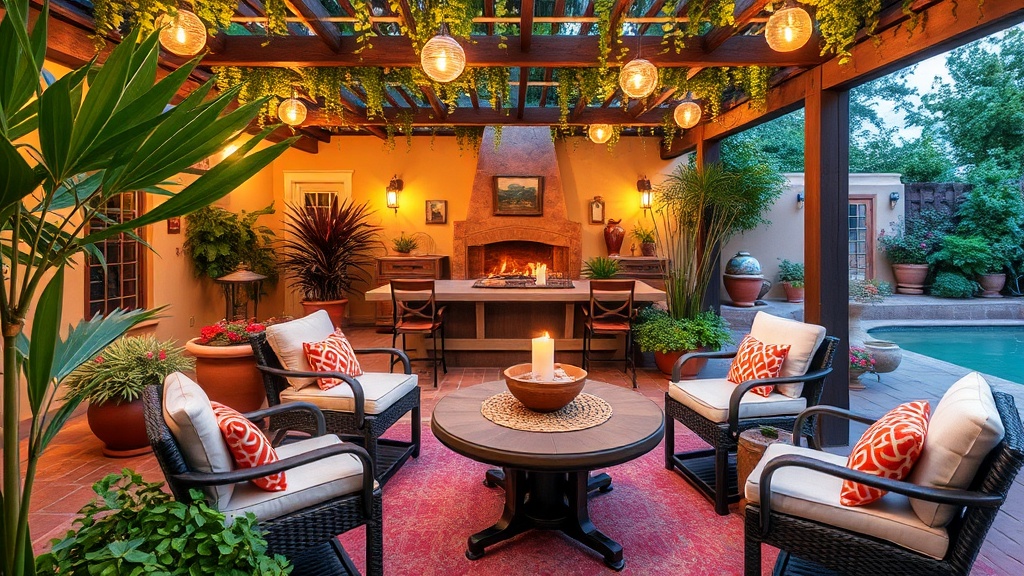
Transform Your Patio into a Mediterranean Oasis

The Soul of the Mediterranean: Beyond the Aesthetics
For years, during my time as a landscape designer, I was hired to create "perfection." Clients wanted emerald lawns that looked like they had been vacuumed and hedges that were clipped into geometric submission. But after a few years of staring at those sterile, high-maintenance spaces, I realized something vital: a garden shouldn't just look good; it should feel alive. It should invite you to linger, to breathe, and perhaps even to indulge a little.
This realization is what led me to embrace the "suburban jungle" philosophy, and it is exactly what the Mediterranean aesthetic offers. A Mediterranean oasis isn't about controlling nature; it’s about working with sunlight, drought-tolerant textures, and a sense of effortless, rustic charm. Whether you have a sprawling stone terrace or a modest concrete patio, you can transform that static space into a sensory retreat that feels like a permanent vacation.
Creating this look requires a shift in mindset. We are moving away from the high-water, high-maintenance demands of traditional gardening and moving toward a landscape that is resilient, edible, and deeply soulful. If you are just starting to refresh your outdoor areas, you might want to consult our eco-friendly spring cleaning checklist for outdoor spaces to ensure your foundation is clean and sustainable before the heavy planting begins.
1. The Foundation: Texture, Stone, and Earth
The Mediterranean look is rooted in the earth. It’s tactile and grounded. To achieve this on a patio, you need to move away from synthetic materials and embrace things that feel ancient and enduring. Instead of plastic furniture or polished metal, look for terracotta, weathered wood, and wrought iron.
The Power of Terracotta: There is no material more synonymous with the Mediterranean than the humble terracotta pot. I recommend grouping pots of varying heights and sizes. Don't just line them up; cluster them. A large, weathered urn provides a focal point, while smaller, unglazed pots can hold your more delicate herbs. The porous nature of terracotta also allows the roots to breathe, which is essential for the types of plants we want to cultivate.
Ground Cover and Hardscaping: If your patio is a standard concrete slab, you don't necessarily need to rip it up. You can soften the edges with gravel or crushed stone. A border of pea gravel or decomposed granite around the perimeter of your patio can break up the harsh lines of the concrete and provide a naturalistic transition to your garden beds. This also aids in drainage, a crucial element for a healthy, low-water garden.
2. Planting for Scent and Substance
In a Mediterranean garden, the plants aren't just decorations; they are the protagonists. We want plants that can withstand intense sun, provide structural interest, and offer a sensory reward through scent and taste. I am a huge proponent of the "edible landscape" approach—why grow something that only looks pretty when you can grow something that tastes divine?
The Aromatics: Lavender is the undisputed queen of this aesthetic. Its silvery-green foliage and intoxicating scent are quintessential. However, don't stop there. Rosemary, Thyme, and Sage provide incredible texture and a wonderful fragrance that wafts through the air when the wind catches it. For a more dramatic scent, consider planting Jasmine or Star Jasmine along a trellis or a nearby wall. As you move through the seasons, integrating these scents can become a part of your wellness routine, much like how music-driven mindfulness routines can ground your mental state.
Structural Greenery: To give your patio a sense of "place," you need some verticality. If you have the space, a small olive tree in a large pot is the ultimate statement piece. If you are working with a smaller footprint, perhaps a patio in a tight urban corner, look toward dwarf varieties of citrus or even a tall, slender Cypress. These provide a sense of enclosure and privacy without the need for heavy, artificial fencing.
The Edible Element: A Mediterranean patio is a functional one. I always suggest dedicating at least one corner to a culinary herb garden. This makes the transition from garden to table seamless. For more specific advice on how to manage these seasonal flavors, check out our guide on the spring herb harvest. Growing your own food—even in a few containers—is one of the most rewarding ways to connect with the rhythm of the seasons.
3. Lighting and Ambiance: The Golden Hour, Every Hour
The Mediterranean lifestyle is centered around the transition from day to night. The "long lunch" turns into the "long dinner," and the light should reflect that. Harsh, bright floodlights are the enemy of the oasis. Instead, we want soft, warm, and layered lighting.
- String Lights: Nothing says "rustic charm" like a string of warm-toned Edison bulbs draped overhead. They create a "ceiling" for your outdoor room, making the space feel intimate and cozy.
- Lanterns: Scatter various sizes of lanterns across your patio. Use metal or wood lanterns with thick pillar candles (or high-quality LED versions) to create pockets of light at ground level.
- Up-lighting: Use small, solar-powered spotlights to highlight the texture of your olive tree or the architectural shape of your terracotta urns. This adds depth and prevents the garden from disappearing into a black void once the sun sets.
Pro Tip: If you are living in an apartment or a smaller rental, you can still achieve this level of ambiance. Even with limited space, you can master the art of lighting to make a small balcony feel like a curated retreat, similar to the principles found in mastering the minimalist aesthetic for small spaces.
4. Creating the "Outdoor Room"
To truly transform a patio, you must treat it as an extension of your home. It isn't just a place to put a grill; it is a room with a purpose. Whether that purpose is morning coffee, reading a book, or hosting a sunset dinner, the furniture should reflect that intention.
The Dining Area: If your patio is large enough, a central wooden table is a must. A heavy, rustic table becomes a magnet for friends and family. Surround it with chairs that feel organic—wrought iron, teak, or even woven rattan. The goal is to create a sense of permanence and weight.
The Lounge Nook: If you have a smaller space, focus on a comfortable seating area. A low-profile outdoor sofa or a pair of deep-seated armchairs can turn a patio into a sanctuary. Use outdoor fabrics in neutral, earthy tones—linen, heavy cotton, or textured weaves in shades of cream, sand, or terracotta. This is where you can truly practice relaxation. For those interested in how our environments impact our internal rhythms, exploring ways to sync your body clock can complement the restorative energy of a well-designed outdoor space.
5. Maintenance: The "Wild but Managed" Balance
The biggest mistake people make when trying to achieve a Mediterranean or "wild" look is thinking that it means "neglect." A wild garden is actually a very intentional space. It requires a different kind of maintenance than a manicured lawn, but it is no less important.
"A beautiful garden is not the absence of weeds, but the presence of life in its most harmonious form. It is a conversation between the gardener and the soil."
Water Management: While Mediterranean plants are drought-tolerant, they aren't "no-water" plants, especially during their first year of establishment. I highly recommend installing a simple drip irrigation system. It’s more efficient than a sprinkler and delivers water directly to the roots, which is vital for container gardening. This keeps your oasis lush without wasting resources.
Pruning for Shape: To keep your "suburban jungle" from becoming a chaotic mess, you must prune. For plants like Rosemary or Lavender, pruning isn't just about size; it's about maintaining the shape. If you let them go too wild, they can become woody and lose their aesthetic appeal. Aim for a "softened" look—shapes that are organic and slightly irregular, rather than perfectly spherical.
Soil Health: Since much of your Mediterranean oasis will live in pots, the quality of your soil is everything. Don't settle for cheap, heavy garden soil. Use a high-quality potting mix enriched with compost. Remember, the health of your plants starts in the dirt. If you can, start a small compost pile in a corner of your yard; it’s the best way to ensure your garden remains a living, breathing ecosystem rather than just a collection of objects.
Transforming your patio into a Mediterranean oasis is an act of reclamation. It is a way to reclaim your time, your senses, and your connection to the natural world. It’s about moving away from the "perfect" and moving toward the "vibrant." So, grab a trowel, get some dirt under your fingernails, and start building your sanctuary.