Eco‑Friendly Spring Cleaning Checklist for Outdoor Spaces: Refresh Your Yard Sustainably

Hook
Ever stared at a cluttered garden shed and wondered if there’s a greener way to get it sparkling for spring? You’re not alone—many of us want a tidy yard without trashing the planet.
Context
Spring is the perfect time to refresh every corner of your home, from the kitchen counters to the garden tools you keep hidden in the shed. By swapping harsh chemicals for simple, biodegradable alternatives, you protect the soil, the pollinators, and your own health.
Body
What Are the Essential Eco‑Friendly Cleaning Tasks for Outdoor Spaces?
- Sweep & Debris‑Free — Start by removing leaves, twigs, and any broken pots. A sturdy broom made from reclaimed wood and natural bristles does the trick without plastic.
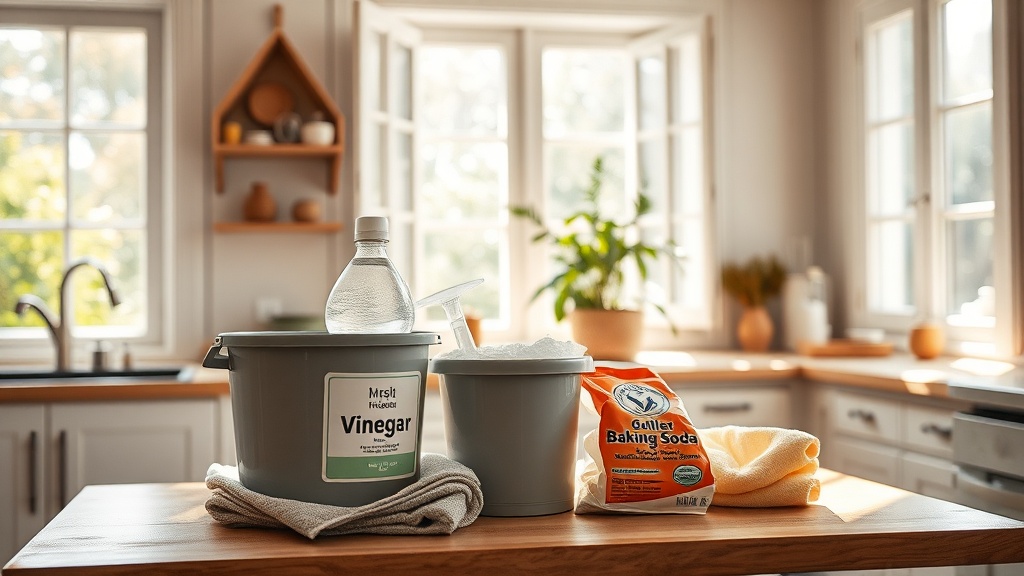
- Wash Garden Tools with Vinegar — Mix one part white vinegar with three parts water. Soak pruning shears, spades, and rakes for 10 minutes, then scrub with a biodegradable scrub pad. Tip: This removes rust and sanitizes without harsh detergents.
- De‑Oil Patio Furniture — Sprinkle baking soda on wood or metal surfaces, scrub with a damp cloth, and rinse with a hose set to a low flow. The mild abrasive lifts grime while keeping runoff safe for nearby plants.
- Refresh Outdoor Cushions — Sprinkle a little baking soda on fabric cushions, let sit for 30 minutes, then vacuum. For tougher stains, dab with a mix of water and a few drops of castile soap.
- Re‑Seal Compost Bins — If you have a compost tumbler, give it a quick wipe‑down with a solution of lemon juice and water. The acidity helps neutralize odors without harming the beneficial microbes.
How Can You Make Your Cleaning Routine Truly Sustainable?
- Use Reusable Buckets & Cloths — Swap disposable mop heads for a sturdy stainless‑steel bucket and a set of microfiber cloths you can wash and reuse.
- Harvest Rainwater for Rinsing — Connect a simple rain barrel (see our Rain Barrel vs Cistern: Which Water‑Wise System Wins for Your Small Yard) to your outdoor tap. It reduces municipal water use and gives plants a gentle rinse.
- DIY All‑Purpose Cleaner — Combine 1 cup of distilled white vinegar, 1 cup of water, a splash of lemon essential oil, and a teaspoon of baking soda. Store in a spray bottle for quick spot cleaning.
Which Eco‑Friendly Products Should You Keep on Hand?
| Product | Why It’s Green | Where to Find It |
|---|---|---|
| Castile Soap | Plant‑based, biodegradable | Local co‑op or bulk store |
| Baking Soda | Non‑toxic abrasive, odor neutralizer | Any grocery store |
| White Vinegar | Natural disinfectant, deodorizer | Grocery aisle |
| Reusable Microfiber Cloths | Cuts waste, lasts years | Online or garden centre |
| Reclaimed Wood Broom | No plastic, sturdy | Upcycled‑home‑decor post for ideas |
What Are Common Mistakes to Avoid?
- Relying on Plastic Sprayers — They leach micro‑plastics into runoff. Opt for a simple squeeze bottle instead.
- Skipping Soil‑Safe Rinse — Never dump cleaning water directly onto garden beds; use a mulch‑filled trench to filter.
- Using Harsh Chemicals on Metal — They accelerate corrosion and harm soil microbes. Stick to vinegar and baking soda.
Takeaway
A sustainable spring clean isn’t just about looking tidy—it’s about protecting the ecosystem that surrounds your home. Grab a bucket, a splash of vinegar, and a handful of reusable cloths, and give your outdoor space the fresh start it deserves. Ready to dive in? Your garden will thank you, and so will the planet.
Related Reading
- 5 DIY Natural Pest Repellents to Protect Your Spring Garden — Keep pests out without chemicals.
- Sustainable Spring Soil Prep: 7 Low‑Cost Steps for a Thriving Zone 7b Garden — Pair your clean yard with healthy soil.
- Upcycled Home Décor: Turning Award‑Show Leftovers into Stylish Spring Accents — Give new life to old items after cleaning.
- Rain Barrel vs Cistern: Which Water‑Wise System Wins for Your Small Yard — Capture rain for your cleaning routine.