Jay Chou’s New Album Fuels Spring Wellness: Music‑Driven Mindfulness Routines

Can a pop album become your spring meditation guide?
When I first hit play on Jay Chou’s March 2026 release while pruning my rosemary, I felt a sudden lift—like the garden itself was swaying to the beat. It made me wonder: could his melodies be the missing piece in our seasonal wellness toolbox?
Why music matters for mindfulness in spring
Music therapy isn’t a new fad. The World Health Organization’s 2022 review shows that rhythmic sound can lower cortisol, sharpen focus, and even improve sleep quality. As days lengthen and we spend more time outdoors, pairing intentional listening with movement amplifies those benefits.
Which Jay Chou tracks match specific wellness practices?
Below I’ve mapped three standout songs to easy‑to‑follow routines you can try in your own backyard.
1. "春风 (Spring Breeze)" – Gentle Yoga Flow
Tempo: ~70 BPM, airy synths, and a lilting vocal line. Perfect for a sunrise sun‑salutation on your patio. I place my yoga mat on a patch of lavender, play the track at a low volume, and let the rhythm guide each inhale‑exhale. The repetitive phrasing keeps my mind anchored, and the subtle rise‑and‑fall mirrors the natural sway of the garden’s grasses.
2. "星光 (Starlight)" – Walking Meditation
At 95 BPM, this song offers a steady pulse that aligns with a relaxed walking pace. Grab a water‑wise walking stick, step onto your compost‑enriched path, and focus on the sensation of each footfall. The lyrical imagery of night‑time lights helps you visualize a calm mind, turning a simple stroll into a moving meditation.
3. "光年 (Light‑Year)" – Evening Stress‑Release Breathwork
This track builds from a soft piano intro to a soaring chorus, ideal for a 5‑minute breathwork session after dinner. Sit on the garden bench, close your eyes, and breathe in sync with the swelling strings—inhale for four counts, hold for two, exhale for six. The crescendo acts as a natural timer, guiding you toward a calm finish.
How to weave the album into a full‑day spring routine
Here’s a quick schedule that lets the music flow with the sun:
- 6 am – Dawn Hydration: Fill a glass of cool water, play "春风" while you water your seedlings. The soft tempo keeps you present.
- 8 am – Yoga Session: Roll out the mat, press play, and move for 20 minutes.
- 12 pm – Lunch Break Walk: Slip on earbuds, queue "星光," and wander the garden’s perimeter.
- 5 pm – Compost & Reflect: While turning compost, let "光年" rise in the background, then transition to a five‑minute breathwork.
- 7 pm – Sunset Chill: Light solar garden lanterns (see my Solar Garden Lighting 2026 guide) and let the album play softly as you sip herbal tea.
What science says about music‑driven routines
A 2023 study in Frontiers in Psychology found that participants who paired low‑tempo music with mindfulness exercises reported a 28 % greater reduction in perceived stress compared to silence. The researchers note that familiarity with the music amplified the effect—so using a fresh album you love, like Jay Chou’s, can boost the outcome.
Take the next step: create your own spring soundtrack
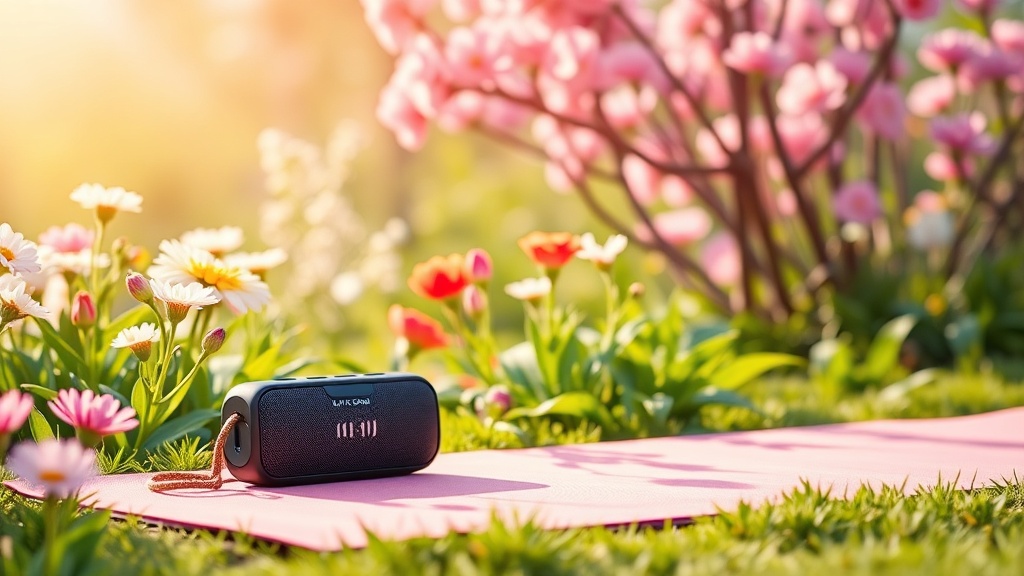
Grab the album, set up a Bluetooth speaker in your garden, and experiment with the routines above. Notice how the garden’s scents mingle with the melodies, and let that synergy guide you toward a more centered, vibrant spring.
Related Reading
- Spring 2026 Lifestyle Trends: What Consumers Are Craving Now – See how broader wellness trends align with music‑driven practices.
- Boost Your Soil Food Web – Pair mindful listening with soil health for a truly holistic garden.
- Spring Garden Gadgets 2026 – Find the perfect Bluetooth speaker that blends into your garden aesthetic.
Frequently Asked Questions
- How can I use music for mindfulness? Choose a track with a steady tempo, set a clear intention (e.g., breathwork, yoga), and let the rhythm guide your focus. Start with 5‑minute sessions and gradually extend.
- Which Jay Chou songs are best for meditation? "春风" for gentle yoga, "星光" for walking meditation, and "光年" for evening breathwork, as they each have distinct tempos that match common mindfulness practices.
- Do music‑driven routines actually improve spring energy? Research shows music enhances mood and reduces stress, which translates to higher energy levels during the longer daylight hours of spring.