Creating a Moon Garden: A Guide to Nighttime Blooms

The Magic of the Midnight Garden
For years, during my time as a landscape designer, I worked with clients who wanted perfection. They wanted emerald-green lawns that looked like they had been vacuumed and flower beds that stayed strictly within their geometric boundaries. But once I traded the corporate blueprints for my own "suburban jungle," I realized that a garden shouldn't just be a daytime spectacle. A garden should be a living, breathing entity that evolves with the sun.
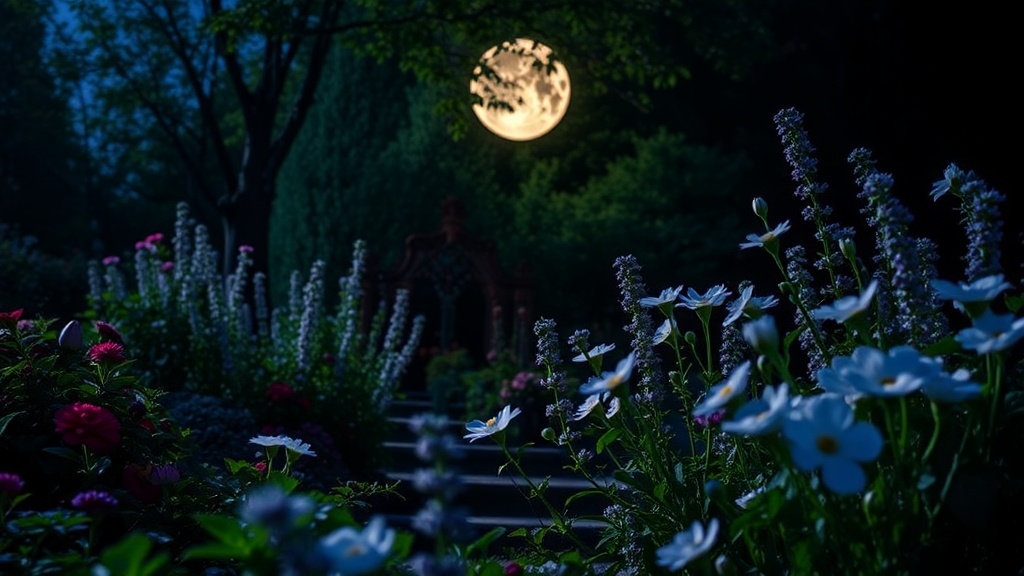
One of the most enchanting ways to expand your garden's utility is by creating a Moon Garden. A Moon Garden is a space specifically designed to be enjoyed after the sun goes down. It focuses on plants with white or pale flowers, silvery foliage, and textures that catch the moonlight. It is a sensory experience that relies on scent, sound, and subtle light rather than the loud, saturated colors of a mid-day summer garden. It is a way to reclaim your outdoor space for those quiet, contemplative hours when the rest of the world has gone to sleep.
The Three Pillars of Moon Garden Design
Designing for the night requires a shift in perspective. You aren't looking for "pop"; you are looking for glow. To build a successful space, you must consider three primary elements: light reflection, scent, and texture.
1. Light Reflection: The Power of White and Silver
In the absence of direct sunlight, colors like deep red or navy blue disappear into the shadows. To make a garden "visible" at night, you need plants that act as natural reflectors. White blooms are the stars of the show because they reflect the available ambient light—whether that is the moon, the stars, or distant streetlights.
Beyond flowers, look for foliage with a silvery or glaucous sheen. Plants like Artemisia or Stachys byzantina (Lamb’s Ear) have a matte, fuzzy texture that catches light beautifully. If you are looking to enhance this effect in your seating areas, you might consider how layered lighting can create cozy rooms outdoors, using soft, low-voltage path lights to supplement the natural glow of your plants.
2. Scent: The Invisible Layer
Since our sense of sight is diminished at night, our sense of smell becomes much more acute. This is the perfect time to introduce highly fragrant plants. However, the trick is to place them strategically. You want scents that drift toward your seating area, not just a wall of heavy perfume that overwhelts the senses.
Consider planting night-blooming jasmine or honeysuckle near a window or a patio bench. Even a simple herb garden can contribute to this; as you move through your garden, bruising a leaf of mint or rosemary releases an incredible aroma. If you are already working on your seasonal planting, you might want to check out my guide to growing and using seasonal herbs to see which varieties offer the best aromatic payoff.
3. Texture and Sound: The Tactile Experience
A Moon Garden should be a multi-sensory sanctuary. Incorporate plants with interesting textures—broad, waxy leaves that reflect light, or soft, velvety foliage that invites you to touch. Don't forget the auditory element. A small stone water feature provides a soothing background hum that masks neighborhood noise, while ornamental grasses like Miscanthus add a rhythmic rustle when a night breeze passes through.
Selecting Your Nighttime Palette
When you head to the nursery, look for these specific categories of plants to ensure your garden thrives in the moonlight.
- White-Flowered Perennials: White Peonies, Moonflowers (Ipomoea alba), Foxgloves, and Lilies. Moonflowers are particularly magical because they physically open as the sun sets.
- Silver Foliage: Dusty Miller, Lavender, Russian Sage, and Eucalyptus. These provide a constant "glow" even when nothing is in bloom.
- Night-Scented Annuals: Night-blooming Cereus, Evening Primrose, and Gardenias.
- Architectural Grasses: Blue Fescue or Maiden Grass to add movement and sound.
As you transition your garden into these more textured, sensory-focused spaces, remember that maintenance is key. Before you start planting your moon garden, it is a great idea to run through an eco-friendly spring cleaning checklist for your outdoor spaces to ensure your soil is healthy and your paths are clear of debris.
Practical Steps to Implementation
Creating this space doesn't require a massive overhaul. You can start small, perhaps by converting a single corner of your yard or a specific patio area into a nocturnal retreat. Here is how I recommend approaching the build:
- Assess Your Light: Observe your garden at dusk. Where does the light linger? Do you have a patch that receives moonlight directly? That is where your "hero" plants (the brightest white blooms) should go.
- Create a Focal Point: Whether it’s a white stone statue, a light-colored ceramic pot, or a simple wooden bench, give the eye a place to rest. If you are working with a smaller footprint, you can find inspiration in mastering the minimalist aesthetic for small spaces to ensure your moon garden feels intentional rather than cluttered.
- Layer Your Lighting: While the goal is to highlight the plants, you still need safety. Use low-profile solar lights or dimmable lanterns. Avoid harsh, bright floodlights that destroy your night vision and disrupt local wildlife.
- Think About Wildlife: A moon garden is a paradise for nocturnal pollinators like moths. By planting native, nectar-rich white flowers, you are providing a vital food source for these essential creatures.
The Connection Between Garden and Mindset
I often tell my neighbors that gardening isn't just about the physical act of digging in the dirt; it is a mental ritual. There is a profound connection between the rhythms of nature and our own internal clocks. Just as we use certain activities to ground ourselves during the day, the evening garden offers a way to decompress.
I’ve found that spending even ten minutes sitting in a darkened, fragrant garden can be more effective for stress relief than any digital detox. It is a form of mindfulness. For those who find solace in rhythm and sound, incorporating elements of music into your evening routine—perhaps a low-fi playlist or a calming instrumental album—can deepen this effect. In fact, I’ve noticed how music-driven mindfulness routines can complement the natural stillness of a garden to create a truly restorative evening ritual.
Common Mistakes to Avoid
As you embark on this project, keep these professional tips in mind to avoid common pitfalls:
"The biggest mistake gardeners make when designing for the night is over-lighting. If you illuminate everything, you illuminate nothing. The beauty of a moon garden lies in the play between light and shadow."
- Too Much Artificial Light: If your garden is flooded with bright LED lights, you will lose the subtle glow of the white flowers. Use light to guide the eye, not to blind it.
- Ignoring the Season: Don't just plant for summer. A moon garden can be a winter sanctuary too. Evergreens with silvery leaves (like certain Junipers) will keep your garden looking "alive" even in the colder months.
- Neglecting Drainage: Many night-scented plants, like Jasmine, prefer well-draining soil. Ensure your new moon garden beds are not sitting in stagnant water, which can lead to root rot.
Final Thoughts
A Moon Garden is an invitation to slow down. It is a rejection of the "manicured lawn" philosophy that says a garden is only successful if it looks perfect in a photograph taken at noon. A Moon Garden is for the person who wants to sit with a cup of herbal tea, listen to the wind in the grasses, and watch the petals of a Moonflower unfurl under the silver light of the moon.
It is a space for the dreamers, the night owls, and the gardeners who know that the most beautiful things often happen in the dark. So, grab your trowel, find a patch of earth that catches the moonlight, and start building your own midnight sanctuary. The stars are waiting.