Choosing the Right Compost Bin for Your Backyard

Are you staring at a pile of kitchen scraps and wondering where on earth they should go? Choosing the right compost bin depends entirely on how much time you want to spend turning it, how much space you have, and what kind of "black gold" you're aiming to produce. This guide breaks down the different types of composting systems—from stationary bins to high-tech tumblers—so you can stop feeling guilty about your food waste and start building better soil.
Composting isn't just about getting rid of trash. It's about creating a closed loop in your own backyard. When you feed your garden high-quality organic matter, you're not just feeding plants; you're feeding the microbes, fungi, and worms that make a garden truly alive. Whether you have a tiny patio or a sprawling half-acre, there is a system that fits your lifestyle.
What is the Best Compost Bin for Small Spaces?
Countertop composters or small, sealed tumbling bins are the best options for small spaces like balconies, patios, or tiny urban yards. If you're living in an apartment or have a very limited footprint, you don't need a massive wooden crate in the corner. You need something contained, odorless, and easy to manage.
For those with almost zero yard space, I always suggest looking into a Bokashi bin. Unlike traditional composting, Bokashi uses a specific bran infused with beneficial microbes to ferment organic matter (including meat and dairy, which are usually off-limits in a standard pile). It’s a small bucket that sits right under your sink. It isn't "true" composting in the sense that it doesn't produce soil immediately, but it prepares the waste to be buried in a pot or a small garden bed later.
If you have a small patio but want traditional compost, a single-chamber tumbler is a great bet. Brands like Envergreen or Joraform make compact models that you can rotate with a simple handle. These are great because they keep the mess contained and don't take up much room. However, keep in mind that small bins can dry out quickly if you aren't careful with your moisture levels.
- Bokashi Bins: Best for apartments; handles all food scraps.
- Countertop Electric Composters: Like the Lomi; extremely fast but uses electricity.
- Small Dual-Chamber Tumblers: Great for patios; easy to turn without heavy lifting.
One thing to watch out for with small-scale systems is heat. A tiny bin won't generate much thermal energy, so you won't be "hot composting" in the way people do with massive piles. You're more likely to do slow, cold composting. It takes longer, but it's much harder to mess up.
How Much Does a Compost Bin Cost?
The cost of a compost bin can range from $0 for a DIY pile to over $500 for a high-end, dual-chamber system. Your budget will largely dictate how much manual labor you'll have to do and how much control you have over the speed of the decomposition process.
Here is a quick breakdown of what you can expect to spend based on the type of system you choose:
| Bin Type | Estimated Price Range | Maintenance Level |
|---|---|---|
| DIY Wire or Wood Bin | $0 - $50 | High (Manual turning required) |
| Plastic Stationary Bin | $60 - $150 | Medium (Needs occasional turning) |
| Single-Chamber Tumbler | $100 - $250 | Low (Easy to rotate) |
| Dual-Chamber Tumbler | $250 - $500+ | Very Low (Continuous cycle) |
| Electric Countertop Unit | $250 - $500 | Minimal (Plug and play) |
If you're on a budget, don't sleep on the classic pile. You can literally build a bin using four wooden pallets you find for free. It’s not the prettiest thing in the world (it's a pile of decomposing organic matter, after all), but it works perfectly. The catch? You'll need a pitchfork and a bit of muscle to turn it once a week or so.
On the flip side, if you have the budget and want to "set it and forget it," a dual-chamber tumbler is a worthy investment. These allow you to fill one side while the other side is actively decomposing. By the time the first side is finished, you're ready to move the material to the second side and start fresh. It’s a very efficient way to ensure you always have a steady supply of compost ready for your raised garden beds.
Which Compost Bin is Best for Beginners?
A single-chamber plastic tumbler or a simple stationary bin is usually the best starting point for beginners because they provide a controlled environment that minimizes common issues like pests or smells. You want a system that is forgiving—one that doesn't require you to be a scientist to get results.
The reason I often recommend tumblers to newcomers is the "pest factor." If you're just starting out, you might accidentally add too many "greens" (nitrogen-rich materials like vegetable scraps) without enough "browns" (carbon-rich materials like dried leaves or cardboard). This can lead to a smelly, soggy mess that attracts rodents. A sealed tumbler makes it much harder for critters to get into your business.
However, if you want to learn the actual mechanics of composting—how temperature affects microbes and how to manage moisture—a stationary bin is a better teacher. You'll learn to "read" your compost. You'll see how a pile heats up and how to balance the ratio of nitrogen to carbon. It’s a bit more work, but the knowledge you gain is invaluable for your long-term gardening success.
A quick tip for success: Always keep a bag of "browns" nearby. Whether it's shredded cardboard, straw, or dried leaves, you'll almost always need to add more to balance out your kitchen scraps. If your bin smells, you need more browns. If it's not doing anything, you might need more greens or a bit more water.
"The best compost bin is the one you actually use. Don't buy a $400 machine if you aren't going to bother feeding it every week."
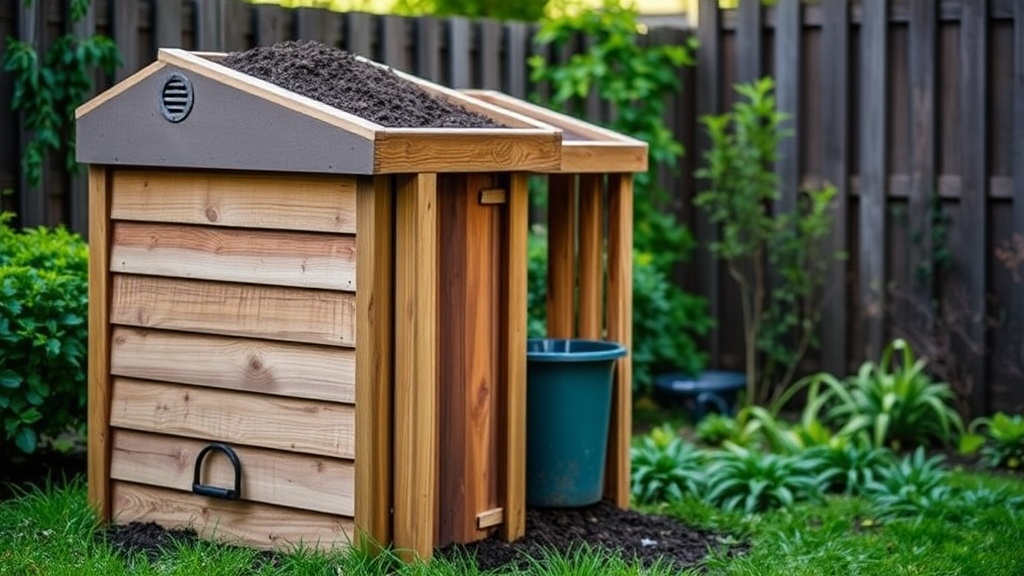
If you're worried about the aesthetics of your backyard, consider a wooden compost bin that looks like a piece of furniture. Many people use the Vego Garden style upright composters because they look much cleaner than a heap of decaying leaves on the ground. It's a small detail, but if you're someone who cares about the "look" of your yard, it matters.
When you're choosing, think about your local climate too. If you live in a place with harsh winters, a plastic bin might freeze up and stall your composting process for months. In those cases, a larger, insulated bin or a tumbler with better thermal properties will keep the microbes working even when the temperature drops. You can check out more about soil health and organic matter through the USDA Natural Resources Conservation Service to see how organic matter improves soil structure over time.
Lastly, don't forget to maintain your tools. A compost bin is only as good as the tools you use to manage it. If you're using a pitchfork or a shovel to turn your pile, make sure you're cleaning them properly. I've seen many people struggle with a rusty, blunt tool that makes the job twice as hard. If you've noticed your garden tools are rusting fast, it might be because of the moisture and acidity in your compost area. Keep them clean and dry when not in use.
Whether you choose a high-tech electric bin or a pile of old wooden pallets, the goal is the same: turning waste into life. It's a messy, slightly smelly, but incredibly rewarding part of being a gardener. Start small, observe your bin, and soon you'll be the person in the neighborhood with the best soil in the zip code.