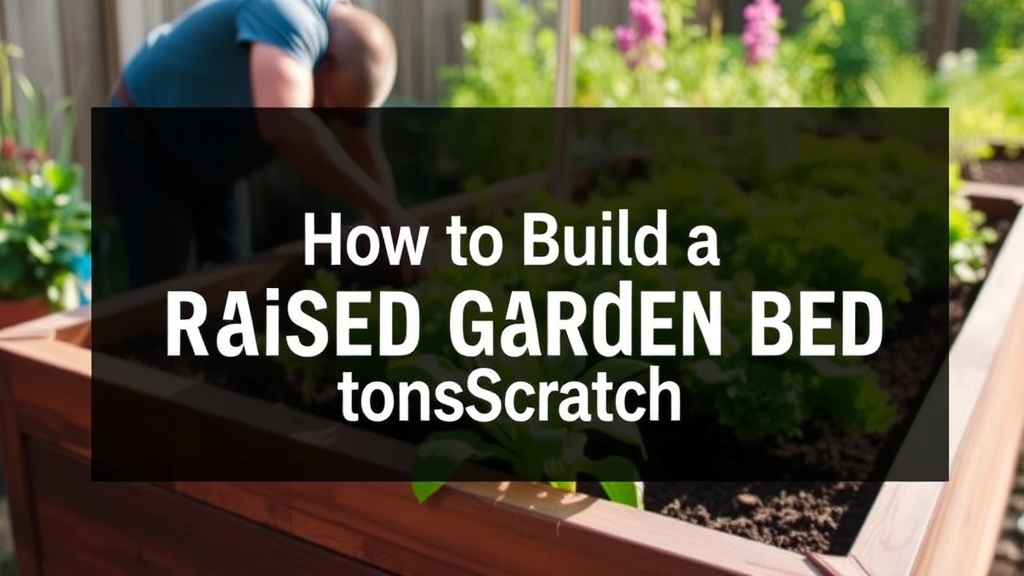
How to Build a Raised Garden Bed from Scratch

A homeowner stares at a patch of heavy, clay-heavy soil that refuses to drain, even after a light spring rain. They want to plant heirloom tomatoes and leafy greens, but the ground is too compacted, too cold, and far too stubborn to yield anything but weeds. This is where a raised garden bed becomes a game-changer. Building your own raised bed allows you to bypass poor soil quality, control drainage, and create a controlled environment where your plants can actually thrive. This guide provides a practical, step-by-step walkthrough for constructing a durable, functional raised bed from scratch.
Selecting the Right Location and Materials
Before you pick up a hammer, you must evaluate your site. A successful garden bed needs two things: sunlight and accessibility. Most vegetables, particularly heavy feeders like peppers and squash, require at least six to eight hours of direct sunlight daily. If you place your bed in the shadow of a large oak tree or a neighbor's garage, your yield will suffer. Additionally, ensure the area is relatively level to prevent water from pooling at one end of the bed, which can lead to root rot.
The materials you choose will dictate how long your garden lasts and how much maintenance it requires. While there are many aesthetic options, functionality should be your primary concern. Avoid using old railroad ties, as they are often treated with creosote, a toxic chemical that can leach into your soil and your food. Instead, focus on these three reliable options:
- Untreated Cedar or Redwood: These are the gold standard. They are naturally rot-resistant and contain tannins that protect the wood without the need for chemical treatments. They are more expensive upfront but can last a decade or more.
- Douglas Fir: A more budget-friendly option that is widely available at big-box retailers like Home Depot or Lowe's. While it won't last as long as cedar, it is a sturdy, reliable choice for a shorter-term setup.
- Metal Kits: Galvanized steel raised beds are incredibly durable and have a modern, industrial aesthetic. They are excellent for heat dissipation and are virtually indestructible once installed.
When purchasing lumber, look for 2x6 or 2x12 boards. A 2x6 configuration allows you to stack two boards to create a 12-inch depth, which is ideal for most root vegetables. If you plan on growing deep-rooted crops like parsnips or large varieties of kale, a 2x12 or a double-stacked 2x12 will provide the necessary volume for root expansion.
Essential Tools and Supplies Checklist
To complete this project, you will need a specific set of tools. Having everything ready before you start prevents mid-project trips to the hardware store and ensures a smooth build. Gather the following items:
- Measuring Tape: For precise cuts and ensuring your bed is square.
- Speed Square: To ensure your corners are at perfect 90-degree angles.
- Power Drill/Driver: Essential for driving screws into the wood.
- Circular Saw or Miter Saw: To cut your lumber to the desired lengths.
- Level: To ensure the bed sits flat on the ground.
- Exterior-Grade Wood Screws: Use 3-inch screws that are rated for outdoor use to prevent rusting and stripping.
- Hardware Cloth (1/2 inch mesh): This is crucial for preventing gophers and moles from tunneling up into your fresh soil.
- Landscape Fabric or Cardboard: To suppress weeds at the base of the bed.
Step 1: Site Preparation and Leveling
The most common mistake in raised bed construction is building on an uneven surface. If one side of your bed is higher than the other, water will gravity-drain toward the low point, creating a muddy mess that kills your plants. Start by clearing the area of large rocks, thick brush, or existing debris. You do not need to dig up the grass, but you must ensure the ground is as flat as possible.
Lay out your boards on the ground where you intend to build the bed. Use your level to check the height of each side. If you encounter a high spot, use a shovel to scrape away a small amount of soil until the boards sit level. Once the perimeter is level, you are ready to secure the structure. If you are building on a slope, you may need to "step" the bed or use more significant amounts of leveling fill, but for most suburban gardens, a simple scrape of the earth is sufficient.
Step 2: Assembling the Frame
Lay your boards out in a rectangle on the ground. If you are building a standard 4x8 foot bed, you will have two 8-foot boards for the long sides and two 4-foot boards for the ends. To create a sturdy corner, you should use corner posts. I recommend using 4x4 pressure-treated posts (the kind labeled as safe for vegetable gardens) or thick cedar scraps. These posts provide much more stability than simply screwing the edges of the boards together.
Position one 4x4 post in each corner. Place the short end board against the post, then the long side board against the same post. Drive your 3-inch exterior-grade screws through the side boards and into the post. Repeat this for all four corners. As you work, use your speed square frequently. A bed that is even slightly "out of square" will look crooked once you fill it with soil and plants. Tighten the screws firmly, but be careful not to over-tighten and split the wood, especially if you are using cedar, which can be brittle.
If you are building a larger or taller bed, you may want to add a middle support post to prevent the long sides from bowing outward under the weight of the wet soil. This is a common issue with 8-foot spans, and a single center post will keep your lines straight and professional.
Step 3: Installing the Bottom Barrier
Before you add any soil, you must protect your investment from pests and weeds. This is where hardware cloth and cardboard come into play. First, turn the bed over or reach inside to line the bottom with hardware cloth. Use a staple gun to secure the metal mesh to the bottom edges of the wooden frame. This creates a physical barrier that prevents burrowing animals like voles or moles from entering your garden. If you neglect this step, you may find your expensive organic compost being pushed out of the bed by pests within a single season.
Next, layer the bottom of the bed with corrugated cardboard or several layers of newspaper. This serves as a "weed barrier." The cardboard will eventually decompose, adding organic matter to the soil, but it will effectively smother the grass and weeds currently living underneath your bed. Avoid using glossy, colorful cardboard, as the inks can sometimes contain heavy metals; plain brown cardboard from shipping boxes is perfect. Ensure the cardboard overlaps slightly so no sunlight reaches the grass underneath.
Step 4: Filling the Bed with High-Quality Soil
The soil you use is the most important part of the entire process. You cannot simply use the dirt from your yard; it is likely too dense and lacks the nutrients required for intensive vegetable production. For a raised bed, you want a mixture that is light, well-draining, and nutrient-dense. A popular and effective ratio is the "Mel's Mix" style approach: one part compost, one part peat moss or coconut coir, and one part vermiculite or perlite.
For a standard 4x8x12-inch bed, you will need approximately 32 cubic feet of material. When buying soil, it is often more cost-effective to buy bulk compost and soil amendments from a local nursery rather than purchasing dozens of small bags from a big-box store. If you find that your garden tools are showing signs of wear or corrosion, check why your garden tools are rusting so fast to ensure you are storing your new equipment properly after your build.
Fill the bed in layers. Start with the heaviest materials at the bottom and work your way up. Once the bed is filled to about an inch below the rim, lightly water the soil to help it settle. This prevents the soil from "sinking" significantly after your first heavy rain or irrigation session. The soil should be moist but not saturated; it should feel like a wrung-out sponge.
Maintenance and Long-Term Care
Once your bed is built and filled, the real work begins. Raised beds tend to dry out faster than traditional in-ground gardens because they are elevated and have more airflow. You will need to monitor moisture levels closely, especially during the height of summer. I recommend installing a simple drip irrigation system or a soaker hose to provide consistent moisture directly to the roots without wetting the foliage, which can lead to fungal diseases.
Every season, you should top off your bed with two to three inches of fresh compost. This replenishes the nutrients that your plants have depleted. As the years pass, you may notice the wood beginning to weather. This is normal. If you want to extend the life of the wood, you can apply a food-safe wood sealer to the exterior, but never use a sealer on the interior where it will touch the soil and your crops.
By building your own raised beds, you are taking control of your food production. You are creating a localized ecosystem that is resilient, productive, and tailored to your specific needs. Whether you are growing crunchy radishes, sweet bell peppers, or heavy-yielding heirloom tomatoes, a well-built raised bed provides the foundation for a successful, bountiful harvest.
Steps
- 1
Select Your Location and Materials
- 2
Prepare the Ground Surface
- 3
Assemble the Wooden Frame
- 4
Line the Bottom for Drainage
- 5
Fill with High-Quality Soil Mix