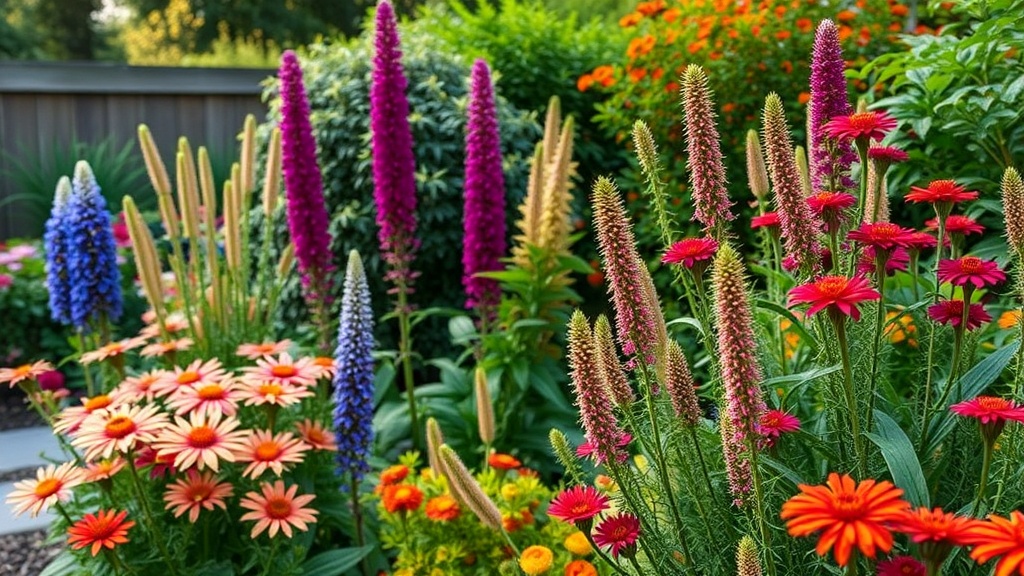
7 Low Maintenance Perennials for a Lush Backyard

Coneflowers for Sunny Spots
Daylilies for Reliable Color
Hostas for Shady Corners
Lavender for Fragrance and Texture
Peonies for Dramatic Blooms
Sedum for Drought Tolerance
Russian Sage for Airy Texture
Many gardeners believe that a lush, full backyard requires a relentless schedule of weeding, pruning, and constant fertilizing. This is a misconception that leads to burnout and, more often than not, a garden that looks more exhausted than beautiful. The reality is that you can achieve a high-impact, verdant aesthetic by selecting plants that do the heavy lifting for you. This post highlights seven low-maintenance perennials that thrive with minimal intervention, helping you build a resilient ecosystem that looks intentional rather than neglected.
1. Echinacea (Coneflower)
Echinacea is a powerhouse in any perennial bed because it thrives on neglect. While many ornamental flowers demand specific soil pH levels or constant moisture, the Coneflower is remarkably drought-tolerant once its root system is established. This makes it an ideal candidate for sunny patches of your yard where water runoff might be an issue.
To get the best results, plant Echinacea in full sun. It prefers well-drained soil, so if you have heavy clay in your yard, amend the planting hole with a bit of compost or coarse sand to prevent root rot. One of the best features of this plant is its lifecycle; even after the bright pink or white petals fall away, the sturdy conical centers remain. These centers serve as a vital food source for goldfinches and other local birds during the late autumn months. Instead of deadheading every spent bloom, leave them standing through the first frost to provide habitat and food for wildlife.
2. Rudbeckia (Black-Eyed Susan)
If you want a splash of golden color that doesn't require a weekly check-in, Rudbeckia is your best bet. These perennials are incredibly hardy and can handle a wide range of soil types, from sandy to loamy. They are particularly useful for filling large gaps in a garden bed where you want a "drifting" effect—a look where the plants appear to flow naturally across the landscape.
When planting Rudbeckia, avoid the temptation to over-fertilize. Too much nitrogen will result in lush green leaves but very few flowers. Instead, let the plant find its own way. If you find the clumps are getting too crowded after two or three seasons, simply divide them in early spring. This is a practical way to expand your garden for free. If you are looking to increase the biodiversity of your yard, consider building a backyard pollinator buffet by grouping these with other nectar-rich perennials to attract more bees and butterflies.
3. Hosta (Plantain Lily)
For the shaded corners of your garden where nothing seems to grow, Hostas are the gold standard. They provide massive, sculptural foliage that creates an immediate sense of lushness. Because they thrive in shade, you won't have to worry about the sun-scorched leaves that often plague other perennials in tucked-away areas.
The main "maintenance" for a Hosta is managing slugs. In a damp, shady environment, slugs can be attracted to the tender new growth. Rather than reaching for harsh chemical pellets, try using organic copper tape around the base of the plant or a shallow dish of beer buried at ground level to catch them. Choose varieties with variegated leaves—those with white or yellow edges—to brighten up dark corners. For example, the 'Guacamole' Hosta offers a large, chartreuse leaf that glows even in low light, providing a high-end look with almost zero effort.
4. Heuchera (Coral Bells)
Heuchera is a unique perennial because it is grown primarily for its foliage rather than its flowers. This is a strategic advantage; while flowering plants can look "messy" once the blooms fade, Heuchera maintains a consistent, vibrant color throughout the growing season. You can find them in deep purples, bright limes, burnt oranges, and even silver.
These are excellent for adding texture and color to the front of a garden bed or near a seating area. They are quite adaptable to different light levels, though they perform best in partial shade. To keep them looking sharp, you only need to perform one task: cutting back the old foliage in early spring to make way for new growth. This prevents the plant from looking "leggy" and ensures a dense, mounded shape. Because they are so visually striking, they act as a perfect backdrop for a backyard cocktail garden, providing a professional-looking foundation for your entertaining space.
5. Amsonia (Bluestar)
Amsonia is a hidden gem for gardeners who want a plant that performs well in spring, summer, and autumn. In the spring, it produces delicate, star-shaped blue flowers, but its real value lies in its foliage. As the seasons change, the leaves transition from a soft green to a brilliant, buttery yellow. This provides a built-in seasonal interest that requires no extra work from you.
Amsonia is incredibly tough and can handle both drought and occasional wet feet, making it a versatile choice for various parts of your yard. It has a naturally mounding habit that helps suppress weeds by shading the soil. If you want a garden that evolves through the seasons without constant replanting, add Amsonia to your rotation. It is particularly effective when planted in groups of three or five to create a substantial visual impact.
6. Nepeta (Catmint)
If you find yourself constantly deadheading lavender or other highly sensitive herbs, switch to Nepeta. Catmint offers a similar aesthetic—silvery-green foliage and spikes of purple flowers—but it is much more forgiving of poor soil and varying moisture levels. It is a "set it and forget it" plant that fills space beautifully.
Nepeta is excellent for edges and walkways. It has a sprawling habit that can soften the hard lines of a stone path or a wooden garden bed. To keep it looking tidy, you don't need to be precise. A quick shear in mid-summer after the first flush of flowers will encourage a second bloom and prevent the plant from becoming too woody. It is also a magnet for pollinators, making it a functional addition to any garden that aims to support local insect populations.
7. Sedum (Stonecrop)
Sedum is the ultimate low-maintenance choice for gardeners who may occasionally forget to water. These succulents store water in their fleshy leaves, allowing them to survive periods of intense heat and drought that would wither most other perennials. They are perfect for rock gardens, raised beds, or even containers on a patio.
For a lush look, I recommend the 'Autumn Joy' variety. It starts with succulent green leaves in the summer and develops deep, reddish-pink flower heads in late summer and autumn. This provides a long-lasting color palette that transitions perfectly into the cooler months. Because they are so hardy, you rarely need to worry about supplemental fertilizer or frequent irrigation. They are the perfect solution for those areas of the yard that receive too much sun and not enough water to support traditional garden plants.
Practical Tips for Low-Maintenance Success
While these plants are low-maintenance, your success depends on the foundation you build. Follow these three pragmatic rules to ensure your perennials thrive:
- Mulch Heavily: Use a 2-to-3-inch layer of organic mulch, such as shredded bark or composted leaves. This suppresses weeds and retains moisture, significantly reducing the amount of time you spend weeding and watering.
- Group by Water Needs: Even "drought-tolerant" plants need water when they are first planted. Group your perennials by their water requirements (hydro-zoning). Put your Hostas together and your Sedums together so you aren't overwatering one while trying to keep the other alive.
- Observe, Don't Intervene: The biggest mistake in gardening is over-management. Before you reach for the pruning shears or the fertilizer, observe the plant. Often, a little bit of "wildness" is exactly what the plant needs to establish a strong, natural growth habit.
Building a lush backyard doesn't have to be a second full-time job. By choosing perennials like Echinacea, Hosta, and Sedum, you are investing in a landscape that grows more beautiful and more resilient with every passing year. Focus on the soil, pick the right plants for your light levels, and then step back and enjoy the view.