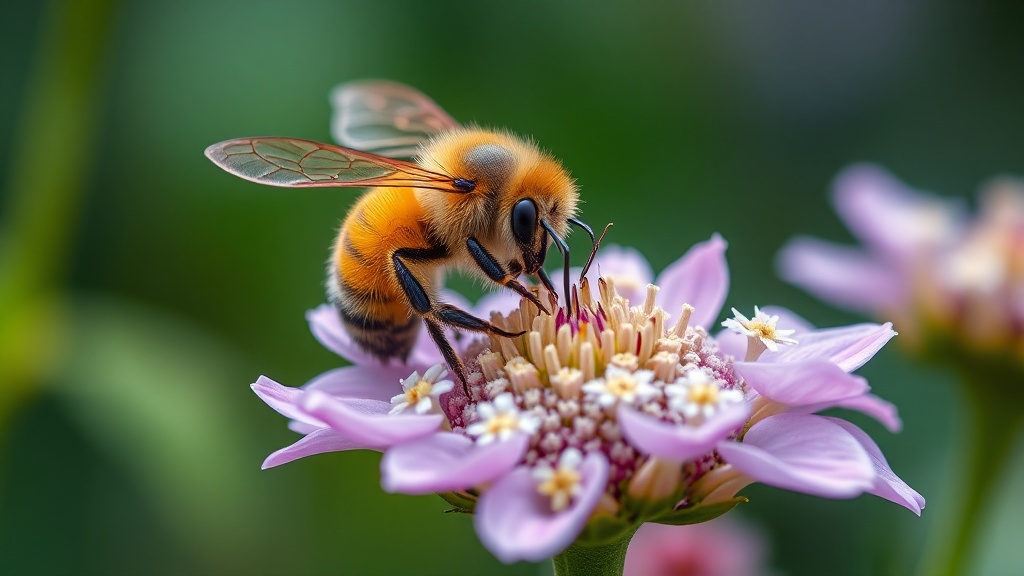
Building a Backyard Pollinator Buffet: Attracting Bees and Butterflies

Nearly one-third of the food consumed globally relies on pollination by insects, yet many suburban landscapes act as "green deserts"—vast stretches of monoculture turf grass that offer zero nutritional value to the creatures keeping our ecosystems functional. A single backyard can serve as a critical refueling station for migratory species like the Monarch butterfly or local populations of Bombus (bumblebees) if the plant selection moves beyond aesthetics and toward biological utility. Building a pollinator buffet requires a shift in perspective from controlling nature to inviting it in through intentional, layered planting.
The Foundation: Selecting the Right Floral Architecture
To attract a diverse range of pollinators, you cannot rely on a single type of flower. Different insects have different mouthparts and specialized needs. A hummingbird requires tubular flowers with high nectar volumes, whereas a solitary bee might prefer shallow, open blooms where nectar is easily accessible. A successful garden must incorporate a variety of floral architectures to ensure every visitor finds a meal.
Prioritize Native Species Over Cultivars
While highly bred "double-flowered" cultivars from big-box nurseries often look stunning, they are frequently sterile or have much less nectar than their wild ancestors. For example, a "double" variety of a rose or a peony may have extra petals that physically block pollinators from reaching the reproductive organs. Instead, seek out "straight species" or heirloom varieties. In North America, plants like Asclepias tuberosa (Butterfly Weed) or Echinacea purpurea (Purple Coneflower) provide much higher caloric rewards for local insects than their highly hybridized counterparts.
Layering for Vertical Diversity
A true pollinator buffet utilizes every inch of vertical space. You should aim for a tiered structure that includes groundcovers, mid-sized perennials, and tall shrubs or even small trees. This mimics a natural ecosystem and provides different microclimates for insects to rest and regulate their temperature. If you are working with a limited footprint, you can utilize techniques from vertical gardening in small spaces to bring flowering vines up your fences or trellises, effectively adding a "second story" of food for climbing pollinators.
The Pollinator Menu: Plant Selection by Season
The most common mistake in garden design is the "bloom gap." A garden that is a riot of color in June but a barren wasteland in August is a failed habitat. Pollinators need a continuous supply of nectar and pollen from early spring through late autumn to complete their life cycles. If the food source disappears before the insects finish their work, the local population will dwindle.
- Early Spring: Focus on plants that wake up with the first thaw. Salvia nemorosa (Woodland Sage) and Corydalis are excellent choices. These provide much-needed energy to queen bumblebees emerging from hibernation.
- Mid-Summer: This is the peak season for many pollinators. Incorporate high-nectar heavyweights like Monarda (Bee Balm), Liatris (Blazing Star), and various Phlox species. These plants act as the "main course" of your garden.
- Late Summer and Fall: This is the most critical time for migratory species. Symphyotrichum (Asters) and Solidago (Goldenrod) are non-negotiable. These plants provide the high-energy fuel necessary for insects to survive the winter or complete long-distance migrations.
Creating Habitat: Beyond the Bloom
Nectar is only half of the equation. Pollinators also require nesting sites, shelter from predators, and places to overwinter. A pristine, manicured garden that is "too clean" is often a hostile environment. To build a truly functional habitat, you must embrace a bit of organized chaos.
Nesting Sites and Bare Ground
Many people are surprised to learn that many of the most important pollinators, such as solitary bees, do not live in hives. They nest in the ground or in hollow plant stems. If you have a patch of sandy or loamy soil, leave a small area of bare ground rather than covering it with heavy mulch. This provides a nesting site for ground-nesting bees. Additionally, leaving the hollow, dried-out stems of perennials like Helianthus (Sunflowers) standing through the winter provides essential housing for many small insects.
Watering Stations: The Importance of "Puddling"
Insects need water just as much as they need nectar. However, a standard birdbath can be a drowning hazard if it is too deep or the edges are too steep. Create a "puddling station" by placing a shallow ceramic saucer filled with pebbles and sand. Keep the sand damp, and the insects can land on the pebbles to drink without the risk of being submerged. This is particularly important during heatwaves when moisture levels in nectar can drop.
"A garden that is perfectly manicured is often a graveyard for biodiversity. To support life, we must allow for the messy, the structural, and the unrefined."
Maintenance: The "No-Chemical" Rule
You cannot build a pollinator buffet while simultaneously using systemic pesticides or herbicides. This is the most critical rule of a functional habitat. Even "organic" pesticides can have devastating effects on non-target insects. If you are treating a pest issue, you must be extremely selective and aware of the biological impact.
Managing "Weeds" and Pests
Instead of reaching for a spray bottle when you see aphids or scale, consider an integrated pest management (IPM) approach. Many "pests" are actually a food source for the beneficial insects you are trying to attract. For instance, ladybugs and lacewings thrive in gardens with aphids. By allowing a small population of pests to exist, you are providing a buffet for the predators that will eventually keep the population in check. If you must intervene, use physical methods like a strong blast of water from a hose or hand-picking the insects off the leaves.
The Value of Leaf Litter
In the fall, resist the urge to clear out all your fallen leaves. Leaf litter provides a crucial insulating layer for many insects that spend the winter in the soil or under the organic debris. Instead of bagging your leaves for disposal, use a mulching tool to shred them and spread them back over your garden beds. This returns nutrients to the soil and creates a protected microhabitat for the next generation of pollinators.
Design Pro-Tips for Success
When you are ready to start digging, keep these practical design principles in mind to ensure your garden is both functional and aesthetically pleasing.
- Plant in Drifts: Rather than scattering single plants throughout the garden, plant them in "drifts" or large groups. A patch of 10 Echinacea plants is much easier for a butterfly to spot and land on than ten individual plants spaced ten feet apart.
- Consider Sun Exposure: Most nectar-producing plants require full sun (at least 6 hours a day) to produce the maximum amount of sugar in their nectar. Map out your sun patterns before purchasing plants.
- Mix Edibles with Ornamentals: There is no reason your pollinator garden can't also be a kitchen garden. Herbs like Lavandula (Lavender), Rosmarinus (Rosemary), and Thymus (Thyme) are incredible pollinator magnets and highly useful in the kitchen.
Building a pollinator garden is not about achieving a perfect, static look; it is about fostering a dynamic, living system. It requires a willingness to let things grow a little wilder and a commitment to seeing the beauty in the lifecycle of a plant, from the first bud to the eventual decay. By providing the right architecture, the right seasonal timing, and the right nesting habitats, you transform your backyard from a simple patch of grass into a vital, buzzing sanctuary.
Steps
- 1
Research Native Species
- 2
Prepare the Soil Naturally
- 3
Plant in Successive Blooms
- 4
Add Nesting Habitats