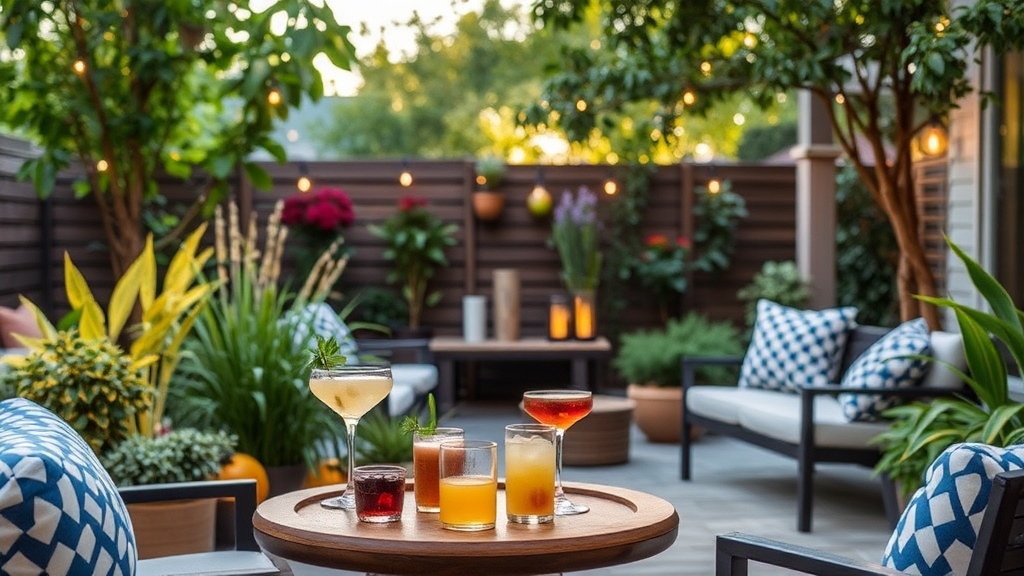
Sip and Savor: Designing a Backyard Cocktail Garden for Summer Entertaining

The Myth of the Ornamental Garden
Many people believe that a garden designed for aesthetics must be strictly ornamental, a static display of flowers that serves no purpose other than visual pleasure. This is a fundamental misunderstanding of what a high-functioning landscape can achieve. A truly sophisticated backyard isn't just a view from the window; it is a functional pantry and a living bar. A cocktail garden—or a "mixology garden"—blurs the line between culinary utility and lush, sensory beauty. Instead of choosing between a beautiful hydrangea bush and a productive herb bed, you can design a space where the ingredients for a perfect Gin Fizz or a Spicy Margarita are growing right alongside your ornamental perennials.
Designing for summer entertaining requires a shift in perspective. You aren't just planting for color; you are planting for flavor, aroma, and accessibility. You need plants that can withstand the heat of a July afternoon, provide high yields of essential oils and juices, and look stunning when placed in a crystal coupe glass. This guide outlines how to structure, plant, and maintain a backyard cocktail garden that serves as both a centerpiece for your patio and a source of fresh, organic ingredients.
1. Zoning Your Backyard Bar
Efficiency is the hallmark of a great garden designer. When you are hosting, you do not want to be trekking across the yard to find a sprig of mint while your guests are waiting. Organize your cocktail garden into functional zones based on how you interact with the space.
- The Beverage Station: This is the high-traffic area, usually adjacent to your patio or outdoor kitchen. Plant low-maintenance, high-yield herbs here, such as Ocimum basilicum (Sweet Basil) or Mentha (Mint). Keep these in raised beds or large terracotta pots to ensure easy access.
- The Sensory Perimeter: Use the outer edges of your garden to plant taller, more dramatic elements like Rosa (Roses) or Lavandula (Lavender). These provide a scent barrier and a beautiful backdrop without crowding your workspace.
- The Hydration Zone: If you have a water feature or a small pond, plant moisture-loving plants like Iris pseudacorus (Yellow Flag Iris) nearby. This creates a cooling microclimate and a soothing soundscape for guests.
If you are working with a limited footprint, consider vertical gardening techniques to lift your herb collections off the ground, keeping them at waist height for easy harvesting during a party.
2. Selecting the "Cocktail Stars"
A successful cocktail garden relies on three categories of plants: Aromatics, Acids, and Garnishes. To ensure your garden is productive throughout the summer, select varieties that have staggered bloom and harvest times.
The Aromatics: The Soul of the Drink
Aromatics provide the essential oils that define a cocktail's character. Basil is non-negotiable; look for 'Genovese' for classic sweetness or 'Thai Basil' for a spicy, anise-forward note. Mint is a staple, but be cautious—it is highly invasive. Plant it in a dedicated container to prevent it from taking over your entire garden beds. For a sophisticated twist, include Lemon Verbena, which offers a cleaner, more elegant citrus scent than actual lemon zest.
The Acids: The Brightness Factor
A cocktail needs acidity to balance sugar and alcohol. While you can buy lemons and limes, nothing compares to the flavor of garden-fresh citrus. If your hardiness zone allows, plant Meyer Lemon trees or Key Limes in large, movable containers. If you live in a cooler climate, focus on Hibiscus (Hibiscus rosa-sinensis). The dried calyces of the hibiscus flower make a stunning, tart, and vibrant red tea that serves as an incredible base for non-alcoholic mocktails or a bright addition to a vodka soda.
The Garnishes: The Visual Finish
The final touch is the garnish. Instead of reaching for a plastic bottle of bitters or a pre-made garnish, reach for your garden. Edible Flowers are the gold standard here. Calendula (Pot Marigold) provides bright orange pops, while Viola (Pansies) offers delicate, jewel-toned colors. For a savory cocktail, like a Bloody Mary, plant Micro-Cilantro or Chives. These small, delicate elements elevate a drink from a simple beverage to a curated experience.
3. Soil, Sunlight, and Sustenance
A garden that produces high-quality ingredients requires more than just water; it requires nutrient-dense soil and strategic sunlight management. Most cocktail-grade herbs and citrus thrive in full sun, meaning they need at least six to eight hours of direct sunlight daily. However, the intense heat of mid-summer can scorch delicate leaves like Mint or Basil.
Soil Composition: Use a high-quality organic compost, such as Espoma Organic Compost, to enrich your beds before planting. For container gardening, avoid standard garden soil; instead, use a professional potting mix that includes perlite or vermiculite for drainage. Herbs like Rosemary and Thyme require well-draining, sandy soil to prevent root rot, whereas Mint prefers more consistent moisture.
Irrigation Strategy: During peak summer, a drip irrigation system is highly recommended. It delivers water directly to the roots, reducing evaporation and preventing the fungal issues that often arise from overhead watering. If you are growing citrus in pots, ensure you are using a liquid seaweed fertilizer once a month to support heavy fruit production.
4. Designing for the Evening Transition
Entertaining often transitions from the bright afternoon to the soft light of dusk. A cocktail garden should be designed to be as beautiful at 9:00 PM as it is at 2:00 PM. This is where you can integrate elements of a moon garden to enhance the nocturnal experience.
Consider planting white-flowering species like Moonflowers (Ipomoea alba) or Night-Blooming Jasmine. These plants catch the moonlight and emit heavy, intoxicating scents that draw guests toward the seating area. By integrating these light-reflective plants, you extend the usability of your garden into the late hours, creating a seamless transition from a sunny garden party to a sophisticated evening lounge.
To tie the aesthetic together, use lighting that mimics the natural environment. Avoid harsh, bright floodlights. Instead, use low-voltage LED path lights or copper lanterns to create a warm, inviting glow. This subtle lighting will highlight the textures of your foliage and the colors of your edible flowers without overwhelming the senses.
5. A Sample "Summer Menu" from Your Garden
To visualize how this works in practice, let's look at three drinks you can craft using a well-planned cocktail garden:
- The Garden Smash: Muddled Spearmint leaves, fresh lime juice, simple syrup, and premium white rum. Garnish with a single sprig of mint and a thin lime wheel.
- The Botanical Spritz: Prosecco, a splash of soda water, and a heavy infusion of Lemon Verbena and Elderflower. Garnish with an edible Viola for a pop of color.
- The Spicy Sunset: Tequila, fresh grapefruit juice, a dash of agave, and a rim of salt mixed with dried, crushed Chili flakes. Garnish with a fresh sprig of Thai Basil for a subtle heat.
By planning your garden around these specific flavor profiles, you ensure that your landscape is not just a decorative backdrop, but an active participant in your hospitality. A cocktail garden is a testament to the idea that beauty and utility are not mutually exclusive—they are, in fact, the perfect pairing.