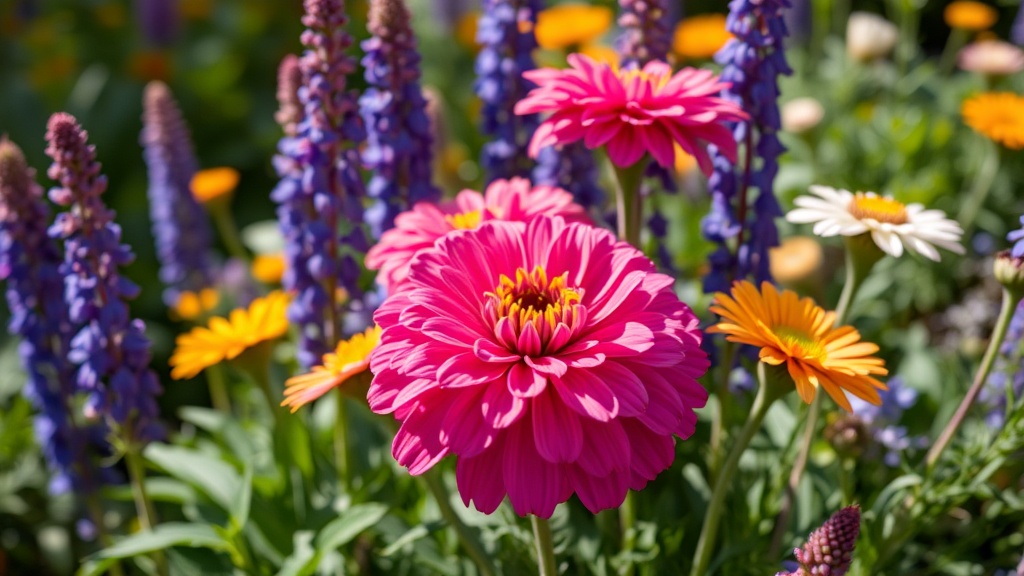
6 Low-Maintenance Perennials for Sunny Borders

Purple Coneflower (Echinacea)
Black-Eyed Susan (Rudbeckia)
Daylilies (Hemerocallis)
Lavender (Lavandula)
Russian Sage (Perovskia)
Sedum (Stonecrop)
6 Low-Maintenance Perennials for Sunny Borders
You'll learn how to select, plant, and maintain six specific perennial varieties that thrive in full sun while requiring minimal intervention once established. This list focuses on plants that offer high visual impact—think bold colors and textures—without the constant fuss of high-maintenance annuals or thirsty lawns.
Sunny borders can be a headache if you pick the wrong plants. Too much heat and light can scorch sensitive foliage, leaving you with nothing but brown, crispy leaves and a sense of defeat. I've spent enough time fighting with parched soil to know that the secret isn't more water; it's better plant selection.
A good perennial should do the heavy lifting for you. You want something that returns every year, gets stronger with age, and doesn't demand a daily check-in from your garden hose. Here are my top picks for a sunny, low-maintenance border.
What are the Best Perennials for Full Sun?
The best perennials for full sun are drought-tolerant varieties like Lavender, Echinacea, and Sedum that can handle high heat and intense light. These plants have developed ways to store water or minimize transpiration, making them perfect for those stretches of the garden that get baked by the afternoon sun.
I've found that choosing plants with silvery or waxy leaves is a smart move. That silvery sheen (a common trait in plants like Lavandula angustifolia) actually helps reflect sunlight, keeping the plant a bit cooler. It's a clever bit of natural engineering.
If you're working with a border that gets hit hard by the sun, you need to think about soil structure too. Even a sun-loving plant will struggle if the roots are sitting in baked, compacted clay. If your soil is looking a bit lifeless, you might want to look into choosing the right compost bin to create your own nutrient-rich amendments before planting.
- Lavender (Lavandula): It loves the heat and offers that classic, Mediterranean aesthetic.
- Coneflower (Echinacea): A powerhouse for pollinators and incredibly hardy.
- Black-Eyed Susan (Rudbeckia): These provide a massive splash of yellow and don't mind a bit of neglect.
- Daylilies (Hemerocallis): Virtually indestructible once they take hold.
- Stonecrop (Sedum 'Autumn Joy'): Succulent-like leaves that hold water beautifully.
- Russian Sage (Perovskia atriplicifolia): Provides height and a soft, airy texture.
1. Lavender (Lavandula)
Lavender is the gold standard for a reason. It's a woody perennial that thrives in well-draining soil and actually prefers to be left alone. In fact, if you over-water it, you're likely to kill it. It wants that "lean and mean" lifestyle.
When planting, ensure you aren't putting it in a low spot where water collects. Lavender needs the kind of drainage you'd find in a gravelly hillside. If your garden stays soggy, you'll end up with root rot faster than you can say "botany."
It's a great choice for sensory gardens because the scent is released when you brush past it. Plus, it attracts bees and butterflies, adding life to your border without any extra effort on your part.
2. Coneflower (Echinacea)
If you want a garden that feels alive, Echinacea is your best friend. These are tough-as-nails perennials that can handle heat, drought, and even some heavy foot traffic or wayward pets. They are members of the Asteraceae family, which makes them incredibly resilient.
The beauty of Coneflower lies in its structural flower heads. Even after the petals fall, the central cone remains, providing a striking silhouette in the garden throughout the late summer and autumn. It’s a visual anchor that doesn't need much. You might prune it back once a year, but that's about it.
I usually recommend the 'Magnus' variety because it's reliable and has a classic look that fits almost any style, from cottage garden to modern-minimalist.
3. Black-Eyed Susan (Rudbeckia)
These are the workhorses of the sunny garden. They are prolific bloomers and have a way of filling in gaps in a border very quickly. If you have a spot that looks a bit sparse, throw some Rudbeckia in there. It'll fill the void.
They aren't picky about soil, though they do appreciate a bit of organic matter. They are also quite good at self-seeding, meaning you'll get "volunteer" plants in the following year. Some gardeners find this annoying, but I think it's a free gift from the garden.
Just keep an eye on them during the first season. Once they've established their root systems, they are nearly bulletproof.
How Much Water Do Sunny Perennials Need?
Most sun-loving perennials require deep, infrequent watering once they are established, rather than light, daily sprinkles. The goal is to encourage deep root growth rather than shallow, weak roots that will die the moment a heatwave hits.
For the first few weeks after planting, you'll need to stay on top of it. Think of it like a training period. Once the plant has "settled in," you can back off significantly. If you find your plants are wilting despite regular watering, you might actually be overwatering them—especially with plants like Lavender or Sedum.
To keep moisture in the ground without constant tending, I highly recommend a thick layer of organic mulch. This keeps the soil temperature stable and prevents evaporation. If you're struggling with dry soil, check out my tips on how to stop your garden soil from drying out too fast.
| Plant Name | Water Needs (Established) | Sun Requirement | Best Feature |
|---|---|---|---|
| Lavender | Very Low | Full Sun | Scent & Texture |
| Coneflower | Low to Medium | Full Sun | Pollinator Magnet |
| Black-Eyed Susan | Low | Full Sun | Prolific Blooming |
| Sedum 'Autumn Joy' | Very Low | Full Sun | Drought Tolerance |
4. Stonecrop (Sedum 'Autumn Joy')
Sedum is practically a desert plant in disguise. It has thick, fleshy leaves that store water, which is why it's so incredibly hard to kill. If you're someone who forgets to water the garden for a week (or two), this is your plant.
The flowers are flat, broccoli-like clusters that turn from a pale green to a deep, dusty pink as the season progresses. It provides a structural element that stays upright even in wind and heavy rain. It's a "set it and forget it" type of plant.
I love using it at the edge of a border where it can spill slightly over the rim of a stone or wood edge. It adds a soft, trailing look without the high-maintenance requirements of true trailing perennials.
5. Daylilies (Hemerocallis)
Daylilies are the definition of a "reliable" plant. They aren't the most exciting things in the world, but they are incredibly consistent. They produce large, trumpet-shaped flowers and have foliage that stays green and lush throughout the season.
They are remarkably tolerant of various soil types, which makes them a safe bet if you aren't sure what's under your feet. You can find them in everything from white to deep orange, and they'll come back every single year without fail. It's a solid, dependable choice for any sunny border.
6. Russian Sage (Perovskia atriplicola)
If you want height and movement, Russian Sage is the answer. It has a silvery, fine-textured foliage that looks almost like lavender but grows much taller and more vigorously. It produces clouds of tiny blue flowers that look stunning against a summer sky.
It's a bit of a "wilder" plant. It doesn't have the tidy, controlled look of a manicured garden, but that's part of the charm. It adds a sense of movement and airiness to a border that can otherwise feel heavy or stagnant.
One thing to note: it can get quite large. Make sure you give it enough space so it doesn't crowd out your smaller perennials. It's a vigorous grower, so don't be afraid to prune it back in the spring to keep it under control.
When you're selecting these plants, remember that the goal isn't perfection—it's resilience. A garden that's a little bit "wild" is often a much healthier one. A plant that can survive a heatwave on its own is a plant that's actually part of the ecosystem, not just a decoration.
Before you head to the nursery, make sure your tools are in good shape. A sharp pair of shears makes a world of difference when you're pruning these perennials back for the season. If your old tools are looking a bit rusty, you can revive your old garden tools with a simple vinegar soak to get them back in working order.