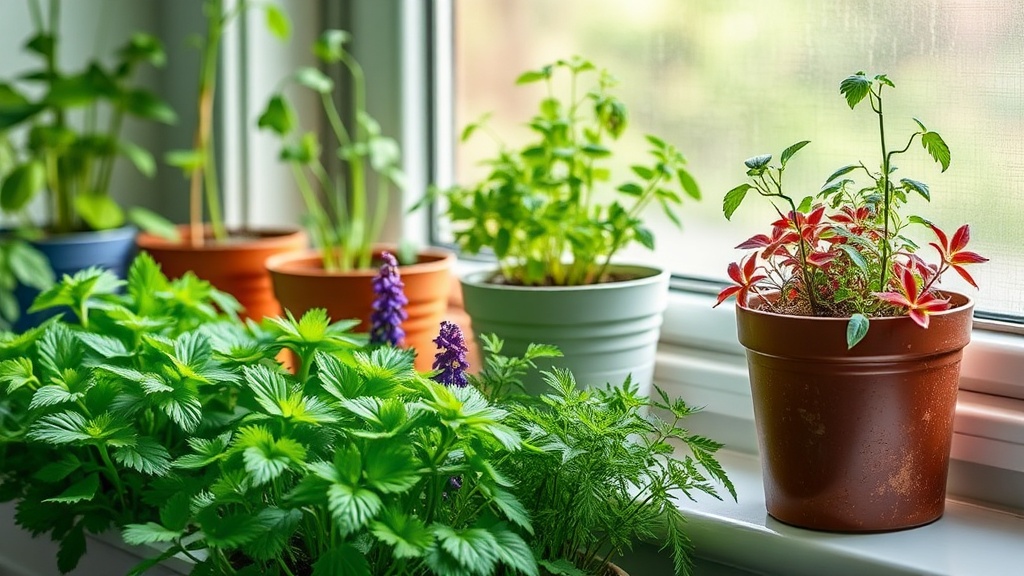
6 Best Edible Herbs for Your Windowsill Herb Garden

Basil for Summer Flavors
Mint for Refreshing Drinks
Chives for Easy Growth
Parsley for Constant Harvests
Thyme for Low Maintenance
Rosemary for Woody Fragrance
A grocery store clerk hands over a plastic-wrapped bundle of wilted basil that cost five dollars more than it should have. The leaves are bruised, the stems are limp, and half of it will likely end up in the compost bin by tomorrow morning. This cycle of waste and high costs is exactly what a windowsill herb garden prevents. Growing your own culinary staples indoors allows you to harvest exactly what you need, exactly when you need it, ensuring peak flavor and zero waste. This guide covers the six best edible herbs for small-scale indoor cultivation, focusing on varieties that thrive in containers and provide the highest return on your investment.
1. Sweet Basil (Ocimum basilicum)
Basil is the undisputed heavyweight of the kitchen garden. While it can be temperamental, a sunny windowsill is often enough to keep a productive plant going through the seasons. Basil is a warm-weather lover, meaning it requires consistent heat and plenty of light to produce those aromatic essential oils that give it that classic Mediterranean scent.
Light and Water Requirements
To succeed with basil, place it in your brightest window, ideally south-facing if you are in the northern hemisphere. It needs at least six to eight hours of direct sunlight daily. When it comes to watering, avoid the "wet feet" trap. Basil likes moisture, but sitting in stagnant water will cause root rot faster than you can make a pesto. Use a terracotta pot with a drainage hole at the bottom to allow excess water to escape, and water the soil directly rather than splashing the leaves, which can lead to fungal issues like downy mildew.
Harvesting Tips
Never just pluck individual leaves from the bottom of the plant. This stunts growth and leaves the plant looking skeletal. Instead, practice "pinching." When the plant is about six inches tall, find a node (the spot where leaves emerge from the stem) and snip the stem just above it. This encourages the plant to branch out, creating a bushier, more productive plant rather than a single tall, spindly stalk.
2. Chives (Allium schoenoprasum)
If you are looking for a "set it and forget it" herb, chives are your best bet. Unlike many delicate herbs, chives are incredibly hardy and can tolerate a wider range of light and temperature fluctuations. They are a perennial, meaning if you keep them in a stable environment, they will continue to return year after year.
Soil and Container Selection
Chives have a relatively shallow root system, so they don't require a deep pot, but they do appreciate nutrient-rich soil. A standard high-quality potting mix works well, but adding a small amount of worm castings can provide a slow release of nitrogen that fuels their green growth. Because they are part of the Allium family, they prefer well-draining soil to prevent bulb rot.
Maintenance and Growth
The most important thing to remember with chives is to keep them trimmed. As the grass-like leaves grow long, they can become tough and stringy. Regularly snipping the tips of the leaves with sharp scissors will keep the texture tender. If you see flower buds forming, you can choose to let them bloom for a decorative touch, but be aware that flowering can sometimes reduce the foliage production. If you eventually move your garden outdoors, chives are a great way to transition from building a raised bed garden to more permanent landscape features.
3. Mint (Mentha)
Mint is a powerhouse of flavor, but it is also a notorious invader. In a backyard setting, mint will take over your entire garden bed in a single season. However, in a windowsill container, it is the perfect controlled way to grow a high-yield herb. There are many varieties to choose from, such as Spearmint for cocktails or Peppermint for tea, but any mint variety will thrive in a pot.
Light and Moisture Needs
Mint is slightly more forgiving regarding light than basil. While it loves sun, it can handle partial shade, making it ideal for east-facing windowsills that get morning light but afternoon shade. Mint thrives in consistently moist soil. If the soil dries out completely, the leaves can become bitter and the plant may go dormant. Keep the soil damp, but not soggy.
The Importance of Isolation
The golden rule of growing mint is to keep it in its own dedicated container. Do not plant it in a mixed herb pot with other plants. Mint spreads via runners (stolons), and it will quickly choke out the roots of more delicate neighbors like thyme or rosemary. By keeping it isolated in a small pot, you manage its aggressive growth while enjoying a constant supply of fresh leaves for mojitos or herbal infusions.
4. Thyme (Thymus vulgaris)
Thyme is a woody perennial that offers a subtle, earthy flavor perfect for roasting vegetables or seasoning meats. It is a drought-tolerant herb, making it a great choice for people who occasionally forget their watering schedule. Because it is a more "rugged" herb, it provides a nice textural contrast to the softer leaves of basil or mint.
Sunlight and Drainage
Thyme requires high light intensity. If it doesn't get enough sun, it will become "leggy" and lose its aromatic potency. It also demands excellent drainage. If you are using a plastic container, ensure there are plenty of drainage holes. A mix of potting soil and a little bit of coarse sand or perlite can help mimic its natural Mediterranean habitat, preventing the roots from staying too wet.
Pruning for Longevity
As thyme ages, the stems can become very woody and tough. To prevent this, prune the plant regularly. Avoid cutting back into the old, leafless wood, as it may not regrow. Instead, snip the tender green growth at the tips. This keeps the plant compact and encourages new, soft foliage that is much better suited for cooking.
5. Parsley (Petroselinum crispum)
Parsley is often treated as a garnish, but it is a nutrient-dense herb that can serve as a primary ingredient in many dishes, from tabbouleh to chimichurri. It is a biennial, meaning it completes its life cycle over two years, but in a windowsill pot, it will provide lush, green foliage for a long time.
Growing Conditions
Parsley prefers cooler temperatures and consistent moisture. While it can handle full sun, it will actually perform better with some afternoon shade, especially in warmer climates. It has a long taproot, so while it can grow in smaller containers, it will be much happier in a pot that is at least 6 to 8 inches deep. This allows the root system to establish itself properly without feeling cramped.
Harvesting Technique
When harvesting parsley, do not pull the whole plant up by the roots. Instead, harvest the outer leaves first. Leave the center of the plant (the "heart") intact, as this is where new growth originates. By taking the older, outer leaves, you allow the plant to continue producing from the center, extending the life of your windowsill garden significantly.
6. Rosemary (Salvia rosmarinus)
Rosemary is a fragrant, woody shrub that brings a sense of permanence to a windowsill garden. It is a heavy hitter in the kitchen, perfect for hearty stews, roasted potatoes, and even infused oils. Because it is a larger plant, it is often the centerpiece of a windowsill herb collection.
Light and Water Management
Rosemary is a sun-worshipper. It needs as much light as you can possibly give it. If your windowsill isn't getting at least 6-7 hours of direct light, you might consider adding a small LED grow light to supplement it. Regarding water, rosemary is extremely sensitive to overwatering. It prefers to dry out significantly between waterings. If you keep the soil constantly moist, the roots will rot and the plant will die. A "soak and dry" method is best: water it thoroughly until water runs out the bottom, then wait until the top inch of soil is completely dry before watering again.
Container and Soil Tips
Because rosemary can grow quite large, choose a pot that is slightly bigger than you think you need. A larger volume of soil helps regulate moisture levels and provides more stability. Use a well-draining potting mix and consider adding a handful of perlite or pumice to ensure the roots get plenty of oxygen. If you find yourself with a large, healthy rosemary plant, you can eventually use cuttings to expand your garden, perhaps even moving into designing a backyard edible forest garden as your skills grow.
Essential Tools for the Windowsill Gardener
To maintain a successful indoor herb garden, you don't need a shed full of equipment, but a few specific tools will make a massive difference in your success rate:
- Precision Snips: Small, sharp scissors or herb snips are essential for clean cuts that don't tear the plant tissue.
- Long-Neck Watering Can: This allows you to water the soil directly without getting the leaves wet, which is crucial for preventing mold and fungus.
- Potting Mix (Not Garden Soil): Never use dirt from your backyard in a windowsill container. It is too heavy and may contain pests or pathogens. Always use a sterilized, lightweight potting mix designed for containers.
- Saucers/Trays: These catch excess water and prevent it from making a mess on your kitchen counters, but remember to empty them after watering so the plants aren't sitting in water.
Starting a windowsill garden is a practical way to reclaim your connection to food. It turns a small corner of your home into a functional, living pantry. Whether you are starting with a single pot of basil or a full collection of six different herbs, the key is consistency, proper light, and understanding the specific needs of each plant. Happy growing.