Why Your Outdoor String Lights Keep Burning Out

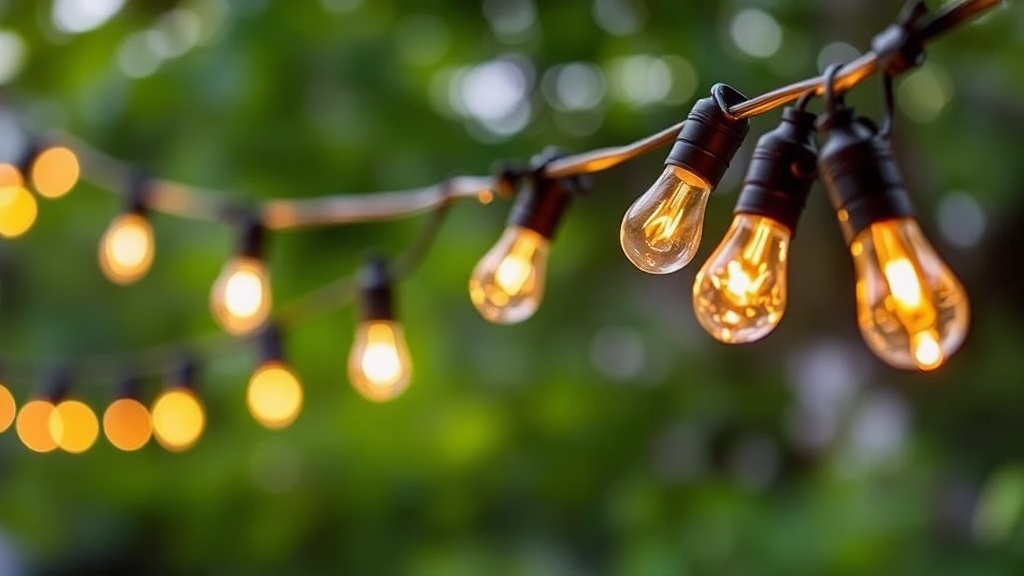
The warm glow of Edison bulbs draped across a patio creates the perfect atmosphere for a summer evening, but that magic disappears the moment a single bulb flickers and dies. If you find yourself constantly replacing burnt-out outdoor string lights, you aren't just dealing with bad luck; you are likely facing an issue with voltage drop, poor weatherproofing, or incompatible hardware. This guide explains the mechanical and electrical reasons your outdoor lighting is failing and provides practical steps to ensure your backyard setup lasts for seasons, not just weeks.
The Problem of Voltage Drop
One of the most common reasons string lights fail—especially long runs of commercial-grade LED or incandescent strands—is voltage drop. This occurs when the electrical resistance in the wire causes the voltage to decrease as it travels further from the power source. If you have connected too many strands together or have a single run that is too long, the bulbs at the end of the line are receiving significantly less power than the bulbs at the beginning.
When bulbs receive insufficient voltage, they can struggle to maintain a consistent current. In incandescent bulbs, this can lead to premature filament failure. In LED systems, low voltage can cause the internal driver to overheat or behave erratically, eventually burning out the circuitry. To prevent this, follow these technical rules:
- Check the manufacturer's maximum connection limit: If you are using a brand like Philips Hue Outdoor or a heavy-duty commercial strand, never exceed the number of "end-to-end" connections specified on the box.
- Use a higher gauge wire: If you are building a custom setup, thicker wire (lower gauge numbers, like 14 or 16 AWG) handles resistance better than thin, decorative wire.
- Split your circuits: Instead of one massive 300-foot run, use two separate outdoor-rated extension cords plugged into two different outlets to power two shorter segments.
Inadequate Weatherproofing and Moisture Intrusion
Outdoor lighting lives in a harsh environment characterized by humidity, heavy rain, and temperature swings. Even if a product is labeled "outdoor use," moisture is the primary enemy of your light strands. Water ingress into the bulb socket or the connection points causes a short circuit, which can instantly pop a bulb or, worse, damage the entire string.
The most vulnerable points are the "junctions"—the places where the wire meets the bulb or where one strand connects to another. If you see any signs of corrosion, such as a green or white powdery substance inside the socket, moisture has already breached the seal. To protect your investment, implement these physical safeguards:
- Use Silicone Grease: A small amount of dielectric grease (silicone grease) applied to the base of the bulb before screwing it into the socket can create a moisture-resistant seal. This is a standard trick for anyone maintaining outdoor electrical components.
- Elevate your connections: Never leave the connection point where two strings meet sitting in a puddle or resting on damp soil. Use a mounting bracket or a decorative wooden post to keep the connection at least six inches above the ground.
- Check your IP Ratings: Look for an IP (Ingress Protection) rating on the packaging. An IP65 rating means the lights are protected against water jets, while IP67 means they can handle temporary immersion. For permanent outdoor installations, aim for at least IP65.
The LED vs. Incandescent Dilemma
Many gardeners make the mistake of mixing bulb types or using cheap LED replacements in older, heavy-duty socket strings. While LEDs are generally more efficient and durable, they are much more sensitive to electrical fluctuations than traditional incandescent bulbs. An incandescent bulb is a simple filament that can handle a bit of a voltage surge; an LED is a complex piece of micro-electronics.
If you are using an older string of heavy-duty ceramic sockets designed for incandescent bulbs, replacing them with "plug-and-play" LED bulbs can sometimes cause issues if the base isn't a perfect fit. If the connection is loose, it creates an "arc"—a tiny spark of electricity jumping the gap—which generates heat and eventually burns out the bulb. Ensure your bulbs are "screw-in" and have a tight, secure fit within the socket to prevent this micro-arcing.
Thermal Expansion and Contraction
Your garden undergoes extreme temperature changes. In the heat of a July afternoon, the metal components in your light sockets expand. In a freezing January night, they contract. This constant movement can loosen the tension of the bulb within the socket. Once a bulb is even slightly loose, it becomes susceptible to vibration from wind or even the weight of the string itself, leading to a broken connection and a dead bulb.
When you are setting up your lights, don't just hang them; tension them correctly. If the wire is too tight, the thermal contraction in winter will pull on the sockets and potentially crack the glass or pull the filament apart. If it is too loose, the wind will cause the bulbs to swing and eventually loosen themselves from the sockets. Aim for a gentle, natural drape that allows for a few inches of "give."
Power Source and Surge Protection
The stability of your outdoor lights is only as good as the power coming out of your wall. If your outdoor outlets are connected to a circuit that shares a heavy load with a pool pump, a large refrigerator, or an electric lawnmower, you may experience "dirty power." These sudden draws of electricity create micro-surges that can degrade the sensitive drivers in LED light strings over time.
To ensure your lighting remains a reliable feature of your landscape, consider the following:
- Dedicated Outdoor Circuit: If you have a large-scale lighting project, such as illuminating a pergola or a long garden path, consider having an electrician install a dedicated outdoor circuit.
- Use a Surge Protector: If you are plugging your lights into an outdoor-rated extension cord, ensure the cord or the connection point has built-in surge protection. This is especially important if you live in an area prone to summer thunderstorms.
- Avoid Overloaded Power Strips: Never plug your outdoor light strings into a cheap, indoor-rated power strip that is also powering a fountain or a heater. The combined load can cause voltage dips that shorten the lifespan of your bulbs.
Maintenance Checklist for Long-Lasting Glow
Preventative maintenance is much easier than replacing an entire 50-foot strand of lights. Once a season—ideally in the spring before the heavy growing season begins—perform a quick inspection of your outdoor lighting system. This ensures that small issues don't become total failures during a dinner party or a backyard gathering.
Step 1: The Visual Inspection. Walk the length of your lights. Look for any cracked insulation, frayed wires, or discolored sockets. If you see a wire that is exposed or a socket that looks charred, replace that section immediately. If you are working near your low maintenance plants, ensure no vines or heavy foliage are pulling on the wires, which can cause mechanical stress.
Step 2: The Socket Test. Go through your string and ensure every bulb is screwed in firmly. You don't need to over-tighten, but you should feel a definite resistance. A loose bulb is a dead bulb waiting to happen.
Step 3: Clean the Bulbs. Dust, pollen, and even bird droppings can build up on your light bulbs. This doesn't just dim the light; it can actually trap heat against the bulb, leading to premature failure. Use a soft, damp cloth to wipe down the bulbs and the sockets once a year to keep the light bright and the connections clean.
Step 4: Check the Cord Path. Ensure your cords are not being pinched by garden furniture or crushed by heavy pots. A pinched cord can cause a partial short, which might not blow a fuse immediately but will cause the wire to heat up and eventually fail.
By understanding the physics of your outdoor lighting—voltage, moisture, and thermal movement—you can move away from the frustration of constant bulb replacement and toward a more permanent, beautiful outdoor living space. A well-maintained light string is a tool for ambiance, and like any tool in the garden, it requires a bit of technical respect to perform its job well.