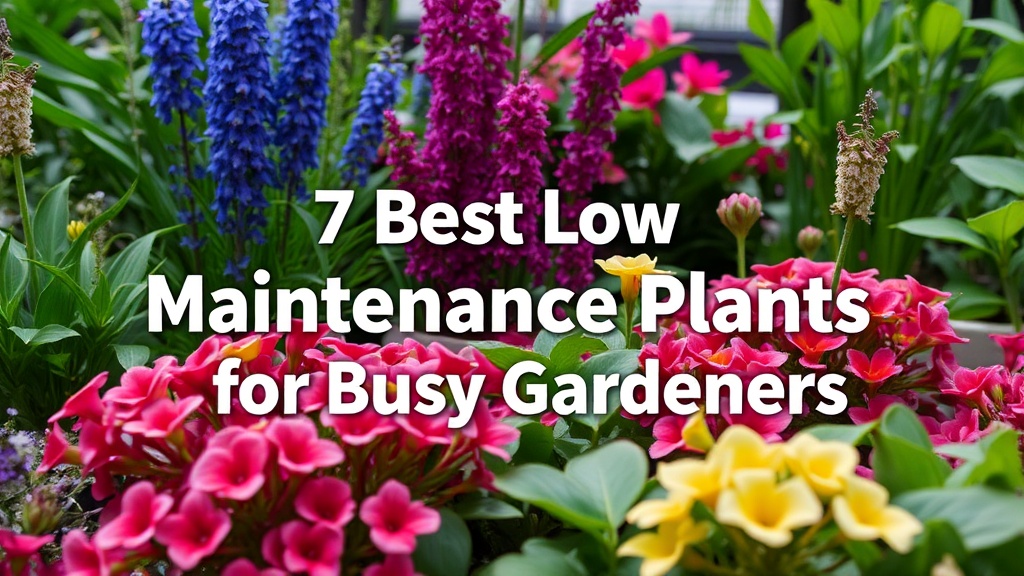
7 Best Low Maintenance Plants for Busy Gardeners

Lavender for Fragrance and Ease
Snake Plants for Indoor-Outdoor Versatility
Hostas for Shady Spots
Sedum for Sunny Rock Gardens
Coneflowers for Color and Resilience
Ornamental Grasses for Texture
Daylilies for Reliable Blooms
Do you find yourself staring at a wilted plant or an overgrown patch of weeds with more guilt than joy? Most people assume that a thriving garden requires hours of daily labor, constant pruning, and a strict chemical regimen, but that isn't the case. This guide identifies seven resilient, low-maintenance plants that thrive with minimal intervention, allowing you to enjoy a lush, living space without it becoming a second full-time job. Whether you have a small balcony or a sprawling backyard, these selections focus on plants that work with your local environment rather than against it.
1. Lavender (Lavandula)
Lavender is the quintessential choice for anyone who wants high visual impact with almost zero effort. This woody perennial is incredibly hardy, provided you don't overwater it. It thrives in full sun and prefers well-draining, even poor, soil. In fact, if you try to pamper lavender with too much rich compost or frequent irrigation, it will likely suffer from root rot.
To ensure success, plant lavender in a spot that receives at least six to eight hours of direct sunlight daily. If your soil is heavy clay, mix in some horticultural grit or perlite to improve drainage. Once established, lavender requires very little besides an occasional trim after its flowering cycle to keep it from becoming too "leggy." It is also a magnet for pollinators like honeybees and butterflies, adding life to your garden without you having to lift a finger.
2. Sedum (Stonecrop)
If you are looking for a plant that is virtually indestructible, look no further than Sedum. These succulents are masters of water storage, making them perfect for south-facing walls or rocky garden borders where the sun beats down relentlessly. Because they store moisture in their thick, fleshy leaves, they can survive long stretches of drought that would kill more delicate perennials.
There are dozens of varieties, but Sedum spectabile (often called Autumn Joy) is a standout for its ability to provide structure and color throughout the season. You can plant these in containers, rock gardens, or even as a groundcover. They are remarkably forgiving of different soil types, but if you notice your leaves turning yellow and mushy, it is a sign of too much moisture. For more information on optimizing your growing environment, read our post on why your garden soil might be the reason your plants are struggling, as proper drainage is key for succulents.
3. Ornamental Grasses (Panicum or Miscanthus)
Ornamental grasses add movement, texture, and height to a landscape without the constant need for deadheading or meticulous shaping. Grasses like Panicum virgatum (Switchgrass) or Miscanthus sinensis (Maiden Grass) provide a sense of "wildness" that feels intentional rather than messy. They are excellent for creating privacy screens or adding a soft backdrop to more structured plants.
The beauty of ornamental grasses lies in their "set it and forget it" nature. You generally only need to perform one major task per year: cutting the foliage back to about six inches from the ground in late winter or early spring before new growth begins. They are drought-tolerant once their root systems are established and can handle a wide range of light conditions. Use them to fill large gaps in your garden beds to reduce the amount of mulch or weeding you have to do throughout the summer.
4. Coneflower (Echinacea)
Coneflowers are the workhorses of the perennial garden. These native North American wildflowers are built to withstand heat, drought, and even poor soil conditions. Unlike many hybrid flowers that require constant feeding and deadheading to keep blooming, Echinacea is remarkably self-sufficient. It produces striking, daisy-like blooms that provide a focal point in any garden bed.
Because they are native to many regions, they are already adapted to the local climate and pests. They are particularly good at attracting birds, such as goldfinches, who will visit the dried seed heads in the late fall. While you can cut the flowers back for indoor arrangements, leaving them standing through the winter provides habitat for beneficial insects. This is a great option for gardeners who want a "wilder" look that still feels curated and colorful.
5. Rosemary (Salvia rosmarinus)
Rosemary is a dual-purpose plant that offers both aesthetic beauty and culinary utility. This Mediterranean herb is a tough, woody shrub that thrives in heat and sunlight. It is particularly useful for gardeners who want an edible component in their landscape without the high maintenance of a traditional vegetable patch. Once rosemary is established, it requires very little water and is highly resistant to most common garden pests.
When planting rosemary, ensure it is not in a low-lying area where water collects. It loves a gritty, alkaline soil. You can use it as a structural element in a raised bed or even as a fragrant hedge. If you are growing it in a container, ensure the pot has ample drainage holes. It’s a great way to bridge the gap between a decorative garden and a functional kitchen garden, similar to the easy vegetables you can grow in your first season.
6. Hostas
For those of us dealing with shady corners or north-facing walls where nothing seems to grow, Hostas are a lifesaver. These shade-loving perennials are prized for their diverse foliage, ranging from tiny, chartreuse leaves to massive, blue-tinted giants. They are the perfect solution for filling in "dead zones" in your yard where the sun never reaches.
Hostas are generally very easy to care for; they just need consistent moisture and a bit of shade to prevent their leaves from scorching. While they can be susceptible to slugs in particularly wet seasons, you can mitigate this by using organic slug bait or copper tape around your garden edges. They spread via rhizomes, meaning they will naturally fill out a space over time, creating a lush, green carpet that suppresses weeds effectively.
7. Daylilies (Hemerocallis)
Daylilies are often overlooked, but they are one of the most reliable plants in the gardening world. They are incredibly versatile, capable of growing in a variety of light conditions from full sun to partial shade. The name comes from the fact that each individual flower blooms for only one day, but because a single plant produces many buds, you will see a constant rotation of color throughout the season.
They are exceptionally drought-tolerant and can handle a wide range of soil pH levels. If you find that your daylilies are becoming too crowded, you can easily divide the clumps every few years to create new plants. This makes them a cost-effective way to expand your garden over time. They are perfect for borders, mass plantings, or even as a colorful edge to a walkway. Because they are so hardy, they are a great "insurance policy" for any new gardener who is worried about plant survival.
Tips for Success with Low-Maintenance Gardening
While these plants are selected for their resilience, a little bit of strategic planning goes a long way. To truly minimize your workload, consider these three practical steps:
- Group by Water Needs: Instead of scattering plants randomly, group "thirsty" plants together and "dry-loving" plants together. This prevents you from overwatering one plant while trying to keep another alive.
- Mulch Heavily: A two-to-three-inch layer of organic mulch (like wood chips or shredded bark) around your plants will suppress weeds and retain moisture in the soil. This reduces the frequency of both weeding and watering.
- Invest in Good Soil: Even the toughest plant will struggle in truly terrible soil. Before planting, take a moment to amend your garden beds with a bit of high-quality compost. This provides a foundation of nutrients that helps plants establish themselves more quickly.
A beautiful garden doesn't have to be a source of stress. By choosing plants that are naturally suited to your environment and require minimal intervention, you can spend less time weeding and more time actually enjoying your outdoor space. Start small, pick a few of these varieties, and watch how much more rewarding gardening becomes when it works with you, not against you.