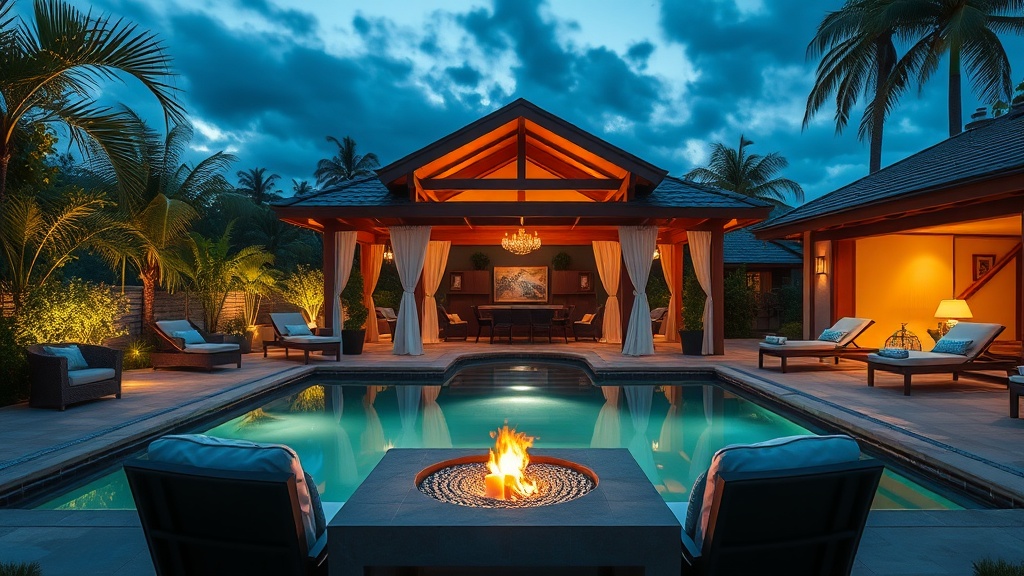
Ways to Make Your Backyard Feel Like a Luxury Resort

Research from the National Association of Realtors suggests that high-quality outdoor living spaces can increase a home's value by up to 15%. While many people associate "luxury" with expensive stone masonry or massive infinity pools, the true feeling of a high-end resort comes from intentionality, sensory layers, and a seamless connection to nature. This guide provides practical, actionable strategies to transform your standard backyard into a high-end retreat by focusing on zoning, lighting, texture, and biological diversity.
Define Your Outdoor Rooms
A luxury resort never feels like one giant, undifferentiated space; instead, it is a series of curated "rooms" that serve specific purposes. To replicate this in a suburban backyard, you must break up the expanse of grass or patio with functional zones. Use physical markers to define these areas so your brain recognizes a transition from "dining mode" to "relaxation mode."
Create a Dedicated Dining Zone
Avoid the mistake of placing a single table in the middle of the lawn. Instead, anchor a dining area with a permanent structure or a heavy-duty base. A permanent wooden pergola or a heavy metal gazebo provides a sense of enclosure and architectural weight. When choosing furniture, look for weather-resistant materials like teak or powder-coated aluminum. A heavy, solid dining table creates a sense of permanence that a folding plastic set cannot achieve. Ensure your dining area is positioned near your outdoor kitchen or grill to create a logical flow for hosting.
Establish a Quiet Retreat
Every resort has a secluded spot for reading or meditation. In your backyard, this might be a corner tucked behind a tall privacy hedge or a dedicated lounge area. Use high-quality outdoor seating, such as an oversized wicker sectional with thick, UV-resistant cushions, to signal that this is a place for long-term comfort. If your space is limited, you can use vertical gardening ideas for small spaces to create a living wall that acts as a soft, green backdrop for your lounge area.
Layer Your Lighting for Ambience
Standard floodlights or a single bright porch light are the enemies of luxury. High-end resorts use layered lighting to create depth, shadows, and a sense of mystery. You want to avoid "flat" lighting that illuminates everything equally; instead, you want to highlight specific features while leaving other areas in soft shadow.
- Task Lighting: Use bright, focused lights over your grill, dining table, or walkway steps. This provides safety and functionality without ruining the mood.
- Accent Lighting: Aim small, low-voltage LED spotlights at the base of a specimen tree, like a Japanese Maple or a large Magnolia. This creates dramatic silhouettes against the night sky.
- Ambient Lighting: String lights (often called bistro lights) are excellent for creating a "ceiling" of light over a seating area. Look for Edison-style bulbs with a warm color temperature (2700K) rather than bright white or blue-toned lights.
- Path Lighting: Instead of harsh bollard lights, use low-profile recessed lights or solar-powered lanterns tucked into the foliage to guide guests along paths.
Incorporate Water and Sound
The sound of running water is a psychological trigger for relaxation. It masks neighborhood noise—such as traffic or lawnmowers—and provides a constant, soothing white noise. You do not need a massive koi pond to achieve this effect; even a small, recirculating water feature can transform the sensory experience of your garden.
A simple stone fountain or a disappearing basalt column fountain can be tucked into a corner or placed near your seating area. For a more modern look, a minimalist steel water bowl provides a subtle, reflective surface. If you have a larger budget, a small pond with aquatic plants like Water Lilies or Pickerel Weed adds biological complexity and attracts local wildlife, making the space feel truly alive. If your yard has significant shade, consider choosing the right shade plants to surround your water feature, which will prevent algae growth and create a lush, cool microclimate.
Focus on Texture and Plant Density
A manicured, single-species lawn often feels sterile and "suburban." A luxury resort feels lush and abundant. To achieve this, move away from the idea of a "neat" garden and move toward a layered, multi-species landscape. This means planting in layers: groundcovers, perennials, shrubs, and canopy trees.
Use Large-Leafed Plants for Drama
Texture is created through leaf shape and size. To make a space feel tropical or high-end, incorporate plants with large, architectural leaves. Varieties like Hostas, Elephant Ears (Colocasia), or even certain types of ornamental grasses add a sense of scale and luxury. Contrast these large leaves with finer textures, such as the delicate foliage of ferns or the needle-like leaves of certain conifers, to create visual interest.
Embrace Seasonal Interest
A luxury garden should never look "dead" in the off-season. Plan your plantings so that something is always in bloom or providing structural interest. Use evergreen shrubs like Boxwood or Pieris Japonica to maintain the garden's shape during winter. In the spring and summer, lean heavily into perennials that offer continuous flowering, such as Lavender, Coneflowers, or Peonies. This ensures your backyard feels like a living, breathing environment regardless of the month.
Elevate the Sensory Experience
Luxury is not just about what you see; it is about what you smell, feel, and hear. A truly immersive backyard engages all five senses. Most people forget that scent is one of the most powerful tools in landscape design.
Scent: Plant fragrant species near your seating areas. Jasmine, Gardenia, or even certain varieties of Roses will release their scent in the evening, coinciding with when you are likely using your outdoor lounge. If you have a vegetable garden, the scent of fresh basil or rosemary near a dining area adds a culinary luxury to the experience.
Tactile Surfaces: Pay attention to the ground beneath your feet. A transition from a hard patio to a soft, mossy path or a well-maintained gravel walkway adds a tactile dimension to your movement through the space. Ensure your outdoor textiles—pillows, throws, and rugs—are high-quality and designed for outdoor use. If your current outdoor rug looks worn, it can detract from the entire aesthetic; keep an eye on fabric degradation to maintain the premium feel.
Practical Maintenance for Longevity
The fastest way to lose the "luxury" feel is through neglect. A high-end space requires consistent, small-scale maintenance to prevent it from looking overgrown or unkempt. This doesn't mean constant weeding, but rather a disciplined approach to garden health.
- Edge Your Beds: A clean, sharp edge between your garden beds and your lawn or patio immediately makes a garden look professional and intentional.
- Mulch Regularly: Use a high-quality organic mulch, such as dark wood chips or shredded bark. This suppresses weeds, retains moisture, and provides a uniform, dark background that makes your plant colors pop.
- Prune for Shape: While a "wild" look is desirable, it should be a controlled wildness. Prune dead wood and keep invasive species from choking out your intentional plantings.
- Clean Your Hardscapes: Pressure wash your patio stones and wipe down your outdoor furniture once a season. Dust and pollen buildup can quickly make even the most expensive furniture look cheap.
Transforming your backyard into a luxury resort is a process of layering. Start with the structural elements like zoning and lighting, then move into the organic elements like plant density and water features. By focusing on these practical, sensory-driven details, you create a space that isn't just a yard, but a destination.