6 Best Vertical Gardening Ideas for Small Spaces

Wall-Mounted Pocket Planters
Trellis and Climbing Vines
Hanging Basket Cascades
Tiered Ladder Shelving
Pallet Gardens
Overhead Hanging Rails
The average suburban backyard is often 60% unused space, mostly occupied by flat, thirsty grass that provides zero ecological value. Vertical gardening turns this equation on its head by utilizing the Z-axis—the height of your fences, walls, and balconies—to maximize your harvest and greenery without increasing your footprint. This guide explores six practical, high-yield vertical gardening systems designed to turn even the smallest patio or balcony into a productive, living ecosystem.
1. Trellises and Espaliered Fruit Trees
If you have a sturdy fence or a blank masonry wall, you have prime real estate for fruit production. Instead of letting a fruit tree grow into a massive, unmanageable sphere, use the espalier technique to train branches to grow flat against a surface. This is particularly effective for apple trees, pears, and even certain varieties of citrus if you live in a temperate climate.
To start, you will need a heavy-duty wooden or metal trellis and high-quality garden twine. When a young branch begins to grow away from the wall, gently tie it to the trellis using a soft tie—never use thin wire, as it can girdle and kill the branch. This method doesn't just save space; it improves fruit quality by ensuring better sunlight exposure and air circulation, which prevents fungal diseases. For those with even less space, a simple cattle panel trellis is a rugged, inexpensive way to support heavy climbers like heavy-duty grapes or even climbing squash varieties.
2. Hanging Pocket Planters for Herbs and Greens
Hanging felt or canvas pocket planters are an excellent solution for balconies where floor space is non-existent. These systems consist of multiple layers of fabric pockets that hold soil and plants, often hung directly on a wall or a sturdy railing. They are ideal for shallow-rooted plants like loose-leaf lettuce, spinach, arugula, and various culinary herbs such as chives, cilantro, and parsley.
The biggest challenge with felt pocket planters is moisture management. Because the material is breathable, the soil can dry out much faster than it would in a traditional plastic pot. I recommend using a high-quality organic potting mix enriched with coconut coir to help retain moisture, and implementing a consistent watering schedule. If you are growing on a high-rise balcony, ensure your planter is securely anchored to a railing or wall to withstand wind gusts. For a more permanent installation, look for modular systems like the GreenStalk Vertical Planter, which uses a stacking design to maximize volume while maintaining a small footprint.
Selecting the Right Herbs for Vertical Pockets
- Basil: Thrives in sun-drenched pockets but needs frequent water.
- Thyme: Prefers well-draining soil and can handle slightly drier conditions.
- Mint: Be careful with mint in vertical systems; it is highly invasive and can quickly overwhelm other plants in the same module.
- Parsley: A reliable biennial that handles the varying moisture levels of pocket planters well.
3. Repurposed Pallet Gardens
Upcycling a wooden pallet is a classic way to add texture and life to a small garden while keeping costs low. A pallet garden is essentially a vertical herb or succulent garden built into the frame of a shipping pallet. This method is perfect for those who want a "wilder" look that fits a more organic, rustic aesthetic.
Before you start, ensure your pallet is heat-treated (marked with "HT") rather than chemically treated (marked with "MB" for Methyl Bromide). You do not want toxic chemicals leaching into your edible herbs. To build it, staple heavy-duty landscape fabric to the back and bottom of the slats to create "pockets" for the soil. Fill these pockets with a lightweight potting soil mix and plant your seedlings. This setup works exceptionally well for succulents or hardy perennials that can handle the drainage inherent in a wooden structure. If your garden is in a shaded area, you might consider choosing the right shade plants for your backyard to ensure your vertical display remains lush and green.
4. Tiered Shelving and Plant Stands
Sometimes, the best way to go vertical is to build upward with structured furniture. Tiered shelving units, often found in hardware stores as "ladder shelves" or "plant stands," allow you to create a multi-layered garden on a single square foot of ground. This is an ideal method for collectors who want to display a variety of container plants without cluttering the floor.
When using tiered shelving, you must consider the "top-down" effect. Plants on the top shelf will generally receive the most sunlight and will dry out the fastest, while plants on the bottom shelves may be shaded by the layers above. This makes tiered shelving a perfect place to group plants by their light and water needs. For example, place your sun-loving succulents on the top tier and your shade-tolerant ferns or begonias on the bottom. If you are using a metal shelving unit outdoors, ensure it is treated with a rust-resistant coating or a high-quality outdoor spray paint to prevent degradation from rain and humidity.
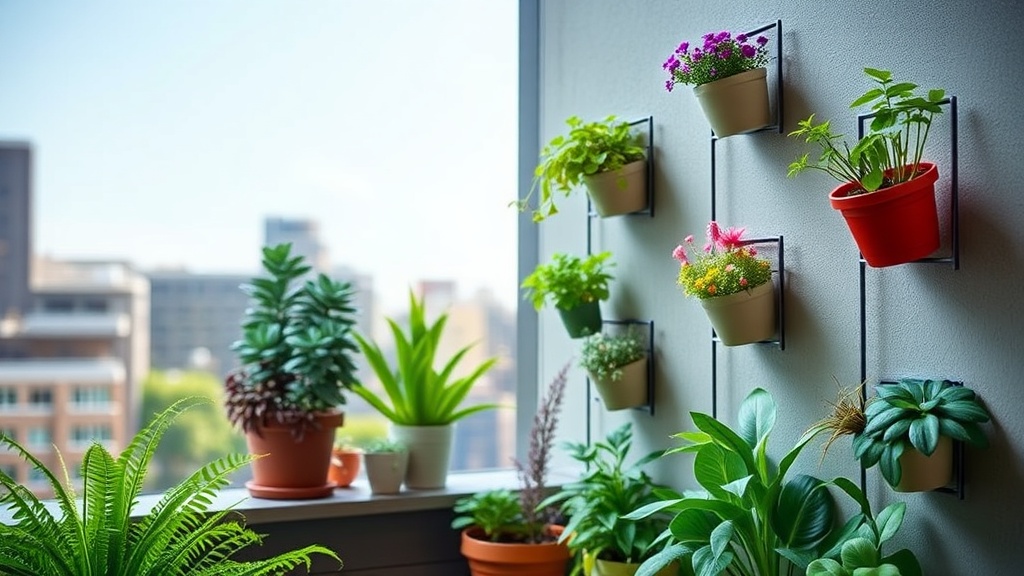
5. Wall-Mounted Railing Systems
If you have a small patio or a deck with a railing, wall-mounted or railing-mounted planters are the most efficient way to add greenery without sacrificing walking space. These systems often include hooks or clamps that allow you to hang pots directly onto the perimeter of your space. This creates a "living wall" effect that provides privacy from neighbors while adding much-needed oxygen and color.
For a more permanent and integrated look, consider installing a metal rail system or a series of wall-mounted brackets. This allows you to swap out seasonal plants easily. In the spring, you might hang bright geraniums; in the summer, trailing vines like Black Velvet Petunias; and in the autumn, ornamental kale. To keep your plants healthy in these elevated positions, use a long-neck watering can or a specialized drip irrigation kit that can reach the higher tiers. This prevents the mess of water splashing onto your patio furniture or outdoor rugs.
6. Climbing Vines on Trellis Fences
A standard privacy fence is often a wasted vertical surface. By adding a trellis or a series of vertical wires, you can turn a boring boundary into a lush, green screen. Climbing vines are incredibly efficient at covering large surface areas quickly, providing both shade and a habitat for beneficial insects.
When choosing vines, consider both the aesthetic and the functional impact. For edible options, Clematis (while technically a flowering vine) and various types of runner beans or pole beans are excellent. For purely ornamental and privacy-focused gardening, jasmine or honeysuckle provide incredible fragrance. However, be mindful of "heavy" climbers like Wisteria, which can eventually damage or even pull down a standard wooden fence if not carefully managed. To support a healthy vine, ensure the base of the plant is in a deep, nutrient-rich bed. If you want to support local biodiversity, choosing flowering vines is a great way to create pollinator friendly backyard environments that attract bees and butterflies.
"Vertical gardening is not just about saving space; it's about changing your perspective on what a garden can be. It's about moving from the horizontal to the dimensional."
Regardless of which method you choose, the key to vertical gardening success is consistent maintenance. Because many vertical systems have less soil volume than traditional garden beds, they are more susceptible to rapid changes in temperature and moisture. Check your soil moisture levels daily, use high-quality organic fertilizers to replenish nutrients, and always ensure your support structures—whether they are trellises, pallets, or shelves—are sturdy and securely anchored. A well-maintained vertical garden can transform a cramped balcony into a thriving, productive sanctuary.