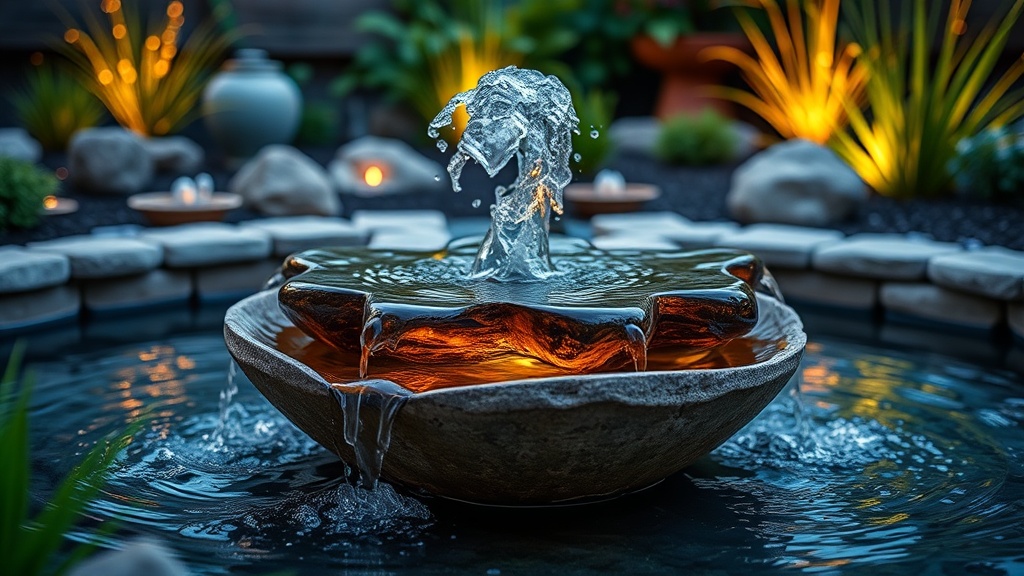
Creating a Soothing Water Feature for Your Backyard

Many homeowners believe that adding a water feature requires a massive budget, a professional plumbing crew, and a permanent commitment to high-maintenance upkeep. This is a misconception. A water feature can be as simple as a solar-powered birdbath or as complex as a recirculating koi pond, and the primary goal is to introduce sound and movement to your garden to mask neighborhood noise and create a focal point. This guide provides the practical steps for selecting, installing, and maintaining a water element that works with your existing ecosystem rather than against it.
Determine Your Water Feature Type
Before buying a single pump or stone, you must decide which type of water element fits your space, your budget, and your maintenance capacity. Each type serves a different sensory purpose and requires different levels of care.
The Disappearing Fountain
A disappearing fountain consists of a reservoir (a basin buried in the ground) and a pump that pushes water up through a spout or over stones. Because the water returns to a hidden basin, there is no open pond to fall into or become a breeding ground for mosquitoes. This is an excellent choice for small suburban yards where safety and low maintenance are priorities. You can use a simple stone urn or a decorative basalt column to create the effect.
The Raised Water Basin
Raised basins or "bubble fountains" sit above ground level. These are ideal for patios or near seating areas where you want to create a sense of enclosure. Because they are above ground, they are much easier to move or reposition if you decide to redesign your garden layout later. They provide a consistent, gentle splashing sound that is perfect for masking the sound of a neighbor's lawnmower or distant traffic.
The Naturalistic Pond
If you want to support local wildlife like dragonflies, frogs, and birds, a naturalistic pond is the way to go. This involves a liner (usually EPDM rubber) and a deeper water body. While more complex, a well-designed pond becomes a living part of your garden. You can integrate designing a backyard edible forest garden approach by planting water-loving perennials around the perimeter to create a seamless transition between the water and your terrestrial plants.
Essential Components and Tools
Regardless of the style you choose, every recirculating water feature requires a few core components to function correctly. Do not skimp on the pump; a weak pump will lead to stagnant water and frustration.
- Submersible Pump: Look for a pump rated by "lift" (how high it can push water) and "flow rate" (how much water it moves per hour). For a small tabletop feature, a 150 GPH (gallons per hour) pump is sufficient, but for a larger fountain, you may need 500 GPH or more.
- Liner: For ponds, use a 45-mil EPDM rubber liner. It is much more durable and flexible than the cheaper PVC liners found in big-box stores.
- Filtration System: Even small features benefit from a mechanical filter to catch debris and a biological filter to keep the water clear.
- Solar vs. Electric Power: Solar pumps are excellent for remote corners of the garden where there are no outdoor outlets, but they often lack the consistent pressure of a hardwired electric pump.
- The Basin: This can be a pre-formed plastic tub, a heavy-duty galvanized metal trough, or a custom-built stone basin.
Step-by-Step Installation Guide
Follow these steps to ensure your water feature is stable and functional from day one.
Step 1: Site Selection and Sunlight Exposure
Placement is the most critical decision. A water feature in full sun will suffer from rapid evaporation and excessive algae growth. A feature in deep shade will collect fallen leaves and organic debris, which can clog your pump. Aim for a spot that receives partial sun (4-6 hours) and is visible from your main seating area. Ensure the area is level; even a slight tilt can cause water to spill unevenly and erode the surrounding soil.
Step 2: Excavation and Foundation
If you are building a disappearing fountain, dig a hole slightly larger than your reservoir. The bottom of the hole must be incredibly stable. I recommend adding a 2-inch layer of leveled sand or fine gravel at the bottom to prevent the liner from being punctured by rocks or roots. If you are installing a raised basin, ensure the ground is compacted so the weight of the water doesn't cause the feature to sink or tilt over time.
Step 3: Setting the Liner and Pump
Lay your liner into the hole, ensuring there are no folds or wrinkles. Place your pump in the center of the reservoir. If you are using a fountain head, attach it to the pump and run the tubing up through your decorative element. Test the system immediately by filling it with a garden hose. This "dry run" allows you to check for leaks and ensure the water flow is hitting the intended targets before you add any decorative stones or plants.
Step 4: Adding Hardscape and Plants
Once the water flow is perfected, hide the reservoir with stones, pebbles, or river rocks. Use different sizes of stones—large boulders for structure and smaller pea gravel to fill the gaps—to create a natural look. Around the edges, plant moisture-loving species like Hostas, Japanese Forest Grass, or Creeping Jenny to soften the transition from the water to the lawn.
Maintenance and Water Quality Management
A water feature is not a "set it and forget it" project. To keep the water clear and the pump running, you must implement a regular maintenance schedule.
Preventing Algae and Stagnation: Algae thrives on sunlight and nutrients. To combat this, keep your water moving. If you notice the water becoming stagnant, increase the flow rate or add a small aerator. You can also use barley straw extract or specialized liquid فو (pond treatments) to naturally inhibit algae growth without harming birds or beneficial insects.
Managing Debris: Leaves and organic matter are the enemies of a clean pond. Use a fine-mesh skimmer net to remove floating debris weekly. If you have trees overhanging your feature, you may need to prune them back or install a net during the autumn months to prevent the pump from clogging.
Winterizing Your Feature: If you live in a climate with freezing temperatures, you must prepare for winter. For disappearing fountains, remove the pump and store it in a dry place. For larger ponds, do not drain them completely; instead, use a de-icer or a pond heater to keep a small hole open in the ice. This allows oxygen to continue entering the water, which is vital for the survival of any aquatic life or beneficial bacteria.
Troubleshooting Common Issues
The pump is making a loud humming noise: This usually means the pump is struggling. Check for a blockage in the intake screen or ensure the pump is fully submerged. If the water level drops due to evaporation, the pump may be sucking in air, which causes cavitation and noise.
The water is cloudy or green: This is a sign of an imbalance in nutrients or too much sunlight. Check your filtration system to ensure it is working correctly and consider adding more shade-providing plants around the perimeter. If you are using a pond, ensure you aren't overfeeding any fish, as excess fish food breaks down into nitrates that fuel algae blooms.
Water is splashing outside the basin: This often happens due to high wind or an incorrectly positioned fountain head. Adjust the height of the spout or use larger stones to break the fall of the water. If you have a raised basin, ensure the water level is kept at a height that allows for a "splash zone" of stones to catch any overflow.
Creating a water feature is an investment in the sensory experience of your backyard. By choosing a design that suits your lifestyle and following a disciplined maintenance routine, you can transform a standard garden into a tranquil sanctuary that provides sound, movement, and a habitat for local wildlife.