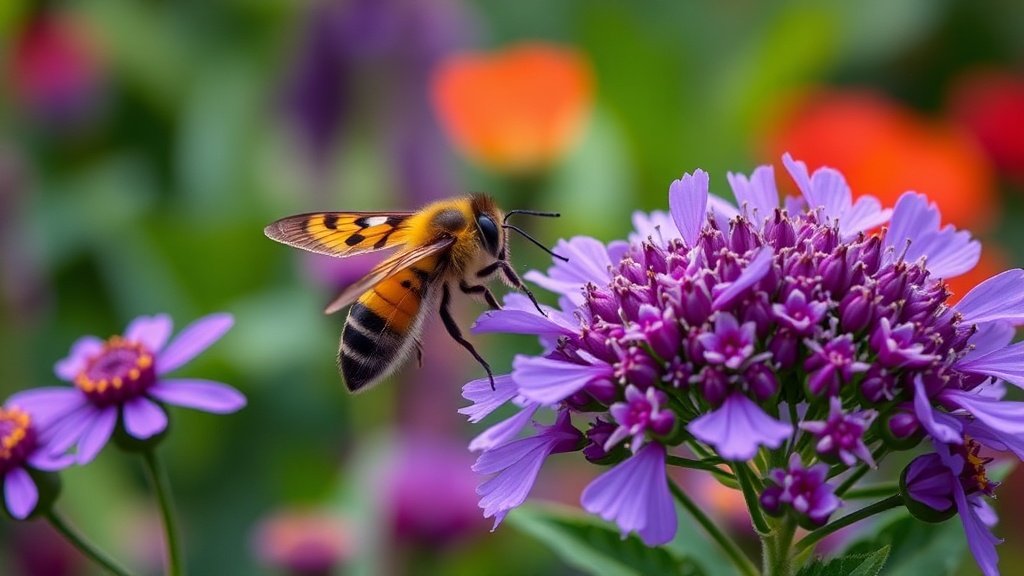
7 Best Plants for a Pollinator Friendly Backyard

Lavender for Bees
Coneflowers for Butterflies
Milkweed for Monarchs
Zinnias for Color and Nectar
Salvia for Long-Tongued Insects
Sunflowers for Large Pollinators
Bee Balm for Diverse Wildlife
This post identifies seven specific plant varieties that will transform your backyard into a high-functioning habitat for bees, butterflies, and birds. You will learn which species provide the most nectar, which offer essential nesting sites, and how to arrange them to ensure a continuous bloom cycle from spring through autumn.
A pollinator-friendly garden is more than just a collection of pretty flowers; it is a functional ecosystem. To build a backyard that actually supports local wildlife, you cannot rely on a single species or a single season of color. You need a diversity of plant structures, varying nectar concentrations, and a staggered blooming schedule. If your garden only blooms in June, your pollinators will starve by August. We are moving away from the idea of the "perfectly manicured" lawn and toward a productive, living landscape that serves a purpose beyond aesthetics.
1. Lavender (Lavandula)
Lavender is a cornerstone for any pollinator garden, particularly for honeybees and bumblebees. It is a hardy, drought-tolerant perennial that thrives in well-draining soil and full sun. While many gardeners treat it purely as a culinary herb, its high nectar production makes it a heavy hitter for local insect populations.
When selecting a variety, look for Lavandula angustifolia (English Lavender) if you want a more traditional, compact shape with high essential oil content. If you have a larger space and want a more robust, shrub-like appearance, Lavandula x intermedia (Lavandin) is an excellent choice. To keep your lavender productive, avoid heavy nitrogen fertilizers which can lead to leggy growth and less flowering. Instead, provide plenty of grit in the soil to prevent root rot. Prune your lavender back by about one-third in the early spring to maintain a tight, bushy shape that provides ample surface area for pollinators to land.
2. Coneflower (Echinacea)
Coneflowers are native perennials that offer a structural benefit to your garden. They feature prominent, cone-shaped centers that serve as a sturdy landing pad for larger pollinators like swallowtail butterflies. Because they are incredibly hardy, they can withstand the heat of mid-summer when other nectar sources might be flagging.
For the best results, plant Echinacea purpurea in areas that receive at least six to eight hours of direct sunlight. One of the biggest mistakes I see in suburban gardens is the "clean up" habit—mowing down dead flower heads in the autumn. Do not do this. The dried seed heads of the coneflower are a critical food source for goldfinches and other songbirds during the winter months. Leave the stalks standing until spring to provide nesting material and winter shelter for beneficial insects. If you are working in a partially shaded corner, you might consider choosing the right shade plants for your backyard instead, as Echinacea requires high light levels to bloom effectively.
3. Milkweed (Asclepias)
If you want to support the monarch butterfly lifecycle, milkweed is non-negotiable. Milkweed is a host plant, meaning it is the only place monarch caterpillars can eat. Without it, the lifecycle of this iconic pollinator is broken. A garden that provides nectar is good, but a garden that provides a host plant is a sanctuary.
There are several varieties depending on your region. Asclepias syriaca (Common Milkweed) is robust and widely available, though it can be somewhat aggressive in spreading via rhizomes. If you have a smaller, more controlled garden bed, Asclepias tuberosa (Butterfly Weed) is a fantastic option. It stays more compact and produces striking orange flowers that are highly attractive to various butterfly species. When planting milkweed, ensure you are not using systemic pesticides in your garden, as these will inadvertently kill the very larvae you are trying to protect.
4. Bee Balm (Monarda)
Bee Balm is a powerhouse plant for attracting hummingbirds and long-tongued bees. Its unique, tubular flowers are specifically evolved to accommodate creatures with specialized mouthparts. It is a member of the mint family, so it is vigorous and grows quickly, making it ideal for filling in gaps in a new landscape design.
Be aware that Monarda can be prone to powdery mildew if air circulation is poor. To prevent this, space your plants at least 18 to 24 inches apart and avoid overhead watering. I recommend planting it in a sunny spot with slightly moist, organic-rich soil. If you find it is becoming too dominant in your garden, you can divide the root clumps every three years to keep the plant's size in check. This also provides you with free plant material to share with neighbors or use in other parts of your yard.
5. Black-Eyed Susans (Rudbeckia)
Rudbeckia is a dependable workhorse for the late summer and early autumn. While many gardens begin to look tired by August, Black-Eyed Susans are just getting started. They provide a bright, reliable source of pollen when other nectar-rich plants have finished their cycles. This "late-season insurance" is vital for pollinators preparing for winter or migration.
For a truly naturalistic look, plant these in drifts rather than isolated clumps. A drift of Rudbeckia fulgida creates a much larger visual signal for pollinators, making it easier for them to find the food source from a distance. They are exceptionally drought-tolerant once established, making them a low-maintenance choice for those of us who prefer a "set it and forget it" approach to much of our seasonal maintenance. They also perform well in various soil types, from sandy to clay-heavy, provided they have decent drainage.
6. Borage (Borago officinalis)
Borage is often overlooked in traditional landscaping, but it is one of the most prolific nectar producers in the garden. It is an annual, which means you will need to replant it each year, but the payoff in pollinator activity is massive. The star-shaped, bright blue flowers are a magnet for honeybees.
I often suggest planting borage alongside your edible crops. It is a companion plant that can help improve the productivity of your vegetable garden by drawing in more pollinators. If you are interested in expanding your garden's utility, you might also enjoy growing 6 best edible herbs for your windowsill herb garden, as many of these, like borage or basil, can be grown in containers while still providing immense value to the local insect population. Borage grows quickly and can reach 2-3 feet in height, so give it enough space to prevent it from crowding out smaller perennials.
7. Salvia (Salvia nemorosa)
Salvia offers a structural elegance that fits well in both wilder and more structured garden designs. The long, vertical spikes of flowers are particularly attractive to bees and hummingbirds. Varieties like 'May Night' or 'Caradonna' are popular because they are reliable, hardy, and offer a deep, saturated color that stands out in a green landscape.
To maximize the blooming period of your Salvia, practice "deadheading." This involves cutting back the spent flower spikes once they have finished blooming. This encourages the plant to produce a second flush of flowers later in the season. Salvia prefers full sun and does not require much supplemental water once its root system is established. It is an excellent choice for adding height and texture to the middle of a garden bed, acting as a bridge between low-growing groundcovers and taller shrubs.
Building a Successive Bloom Schedule
The secret to a truly successful pollinator garden is not just the plants you choose, but the timing of their blooms. To create a functional habitat, you must plan for a continuous sequence of nectar availability. A common mistake is planting a garden that is "all at once"—a massive explosion of color in May that leaves the garden barren by July. To avoid this, follow this basic framework:
- Early Spring: Focus on perennials that emerge early or bulb varieties like Crocus to feed the first emerging bees.
- Late Spring/Early Summer: This is when your Lavender and Salvia will take center stage.
- Mid-Summer: Ensure you have high-energy plants like Bee Balm and Coneflower to sustain pollinators through the heat.
- Late Summer/Autumn: This is the most critical time. Black-Eyed Susans and late-season Milkweed provide the fuel necessary for migration and winter preparation.
By layering these plants, you aren't just gardening for aesthetics; you are managing a food supply. A garden that provides for the hungry, the migrating, and the nesting is a garden that is truly alive.