10 Easy Vegetables to Grow in Your First Garden This Spring

Starting a first vegetable garden delivers harvests of fresh produce, reduces grocery bills, and reconnects people with the natural cycles of growing food. This guide covers ten vegetables proven to succeed in beginner gardens, with specific varieties, planting timelines, spacing requirements, and yield expectations based on real growing data from agricultural extensions and experienced home gardeners. These selections prioritize reliability, quick harvests, and manageable space requirements for suburban plots, container gardens, and raised beds.
What Makes a Vegetable "Easy" for Beginners
Easy-to-grow vegetables share common traits: tolerance for variable soil conditions, resistance to common pests, predictable germination rates, and reasonable harvest windows. The vegetables listed here require minimal intervention beyond basic watering and occasional weeding. Most mature within 60 to 90 days, providing new gardeners with visible progress and edible results before summer heat peaks or seasonal changes arrive.
Before planting, test soil pH using a basic kit from any garden center. Most vegetables prefer pH between 6.0 and 7.0. A 20-pound bag of composted manure costs approximately $4 to $6 and provides enough organic matter for a 4x4 foot raised bed. Full sun means six to eight hours of direct sunlight daily—partial shade locations work for leafy greens but limit fruiting vegetables like tomatoes and peppers.
1. Cherry Tomatoes
Cherry tomatoes outperform larger varieties in almost every metric that matters to beginners: faster fruiting, higher disease resistance, and continuous production until frost. The 'Sweet 100' and 'Sun Gold' varieties consistently rank highest in university extension trials for flavor and reliability.
Planting specifics: Start seeds indoors six to eight weeks before the last frost date, or purchase seedlings from local nurseries. Space plants 24 to 36 inches apart. Each plant produces 15 to 25 pounds of fruit over a typical growing season. Install sturdy cages at planting time—plants reach six to eight feet tall by August.
Critical tip: Water at soil level, avoiding foliage. Inconsistent watering causes blossom end rot and fruit cracking. Aim for one to two inches of water weekly, delivered through drip irrigation or soaker hoses.
2. Leaf Lettuce
Leaf lettuce delivers the fastest edible returns of any vegetable on this list. Unlike head lettuce, which requires precise timing and spacing, loose-leaf varieties allow continuous harvesting of outer leaves while plants continue producing.
Planting specifics: Direct sow seeds as soon as soil can be worked in spring—lettuce germinates in soil as cold as 40°F. 'Black Seeded Simpson' and 'Red Sails' mature in 45 to 50 days. Sow seeds every two weeks for continuous harvests through late spring. Space rows 12 inches apart, with seeds scattered thinly.
A 10-foot row of leaf lettuce yields approximately four to six pounds of harvested greens. Harvest in the morning when temperatures are coolest for crispest texture. When summer temperatures exceed 75°F consistently, lettuce bolts and turns bitter—replace with heat-tolerant alternatives like malabar spinach.
3. Radishes
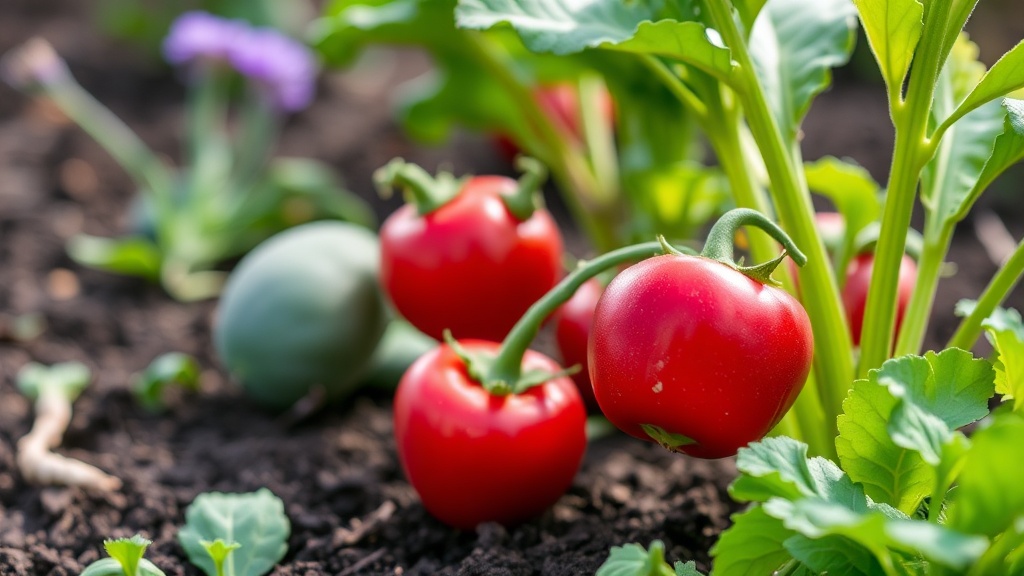
Radishes provide almost instant gratification, with harvests possible in under a month. They also serve as natural row markers when planted alongside slower-germinating crops like carrots and parsnips.
Planting specifics: Direct sow 'Cherry Belle' or 'French Breakfast' varieties. Seeds germinate in three to seven days. Thin seedlings to two inches apart when they reach one inch tall—crowded radishes produce woody, misshapen roots. Harvest 'Cherry Belle' at 22 days when roots reach one inch in diameter.
Radishes require consistent moisture for crisp texture. Allowing soil to dry completely produces hot, pithy roots. One packet of seeds ($2 to $3) plants approximately 20 feet of row and yields 80 to 100 radishes.
4. Zucchini
Zucchini plants produce prolifically with minimal attention. One or two plants supply sufficient summer squash for a family of four, with surplus for neighbors and coworkers.
Planting specifics: Wait until soil temperatures reach 60°F—zucchini seedlings suffer in cold soil. 'Black Beauty' remains the standard variety, producing dark green fruits in 50 to 60 days. Space plants three to four feet apart; mature plants spread four to six feet wide.
Harvest zucchini when fruits measure six to eight inches long. Oversized zucchini (12+ inches) develop tough skin, large seeds, and bland flavor. Check plants every two days during peak production—fruits grow from flower to baseball bat size within days. Expect 6 to 10 pounds of fruit per plant over the season.
5. Bush Green Beans
Bush beans eliminate the need for trellising while delivering heavy yields in compact spaces. They also fix nitrogen in soil, improving fertility for subsequent crops.
Planting specifics: Sow 'Blue Lake 274' or 'Provider' seeds directly into warm soil (65°F minimum). Space seeds four inches apart in rows 18 inches apart. Seeds germinate in five to eight days. Plants reach maturity in 50 to 55 days.
Plant successive crops every two weeks until midsummer for continuous harvests. One 10-foot row of bush beans yields 8 to 12 pounds of beans. Harvest daily when pods reach pencil thickness—over mature beans become tough and stringy.
6. Carrots
Carrots require patience and proper soil preparation, but reward gardeners with flavors impossible to find in grocery stores. Success depends entirely on loose, stone-free soil.
Planting specifics: Choose 'Nantes' or 'Danvers' varieties for reliable germination and straight roots. Work soil to 12 inches depth, removing all rocks and debris. Sow seeds 1/4 inch deep in rows 12 inches apart. Germination takes 10 to 21 days—mark rows with radish plantings to identify emerging carrot locations.
Thin seedlings to one inch apart when they reach two inches tall. Final spacing of three inches produces full-sized roots. Harvest 'Nantes' at 65 days when roots reach six to seven inches long. Heavy clay soils produce forked, misshapen carrots—raised beds or deep containers work better for problem soils.
7. Cucumbers
Fresh cucumbers from the vine bear no resemblance to waxed grocery store specimens. The crunch, aroma, and sweetness justify the minimal trellising requirements.
Planting specifics: 'Marketmore 76' offers excellent disease resistance and produces 8- to 9-inch slicing cucumbers in 65 days. 'Straight Eight' remains popular for reliable performance. Space plants 12 inches apart along fences, trellises, or tomato cages. Vertical growing saves space, improves air circulation, and produces straighter fruits.
Harvest cucumbers when they reach six to eight inches for slicers, or three to four inches for pickling varieties. Plants produce male flowers first, followed by female flowers with tiny fruits behind the blossoms. Expect 10 to 15 fruits per plant over the season.
8. Bell Peppers
Bell peppers require warm conditions and consistent moisture, but reward patience with fruits costing $1.50 to $2 each at grocery stores. Home-grown peppers develop thicker walls and sweeter flavor.
Planting specifics: Start seeds indoors eight to ten weeks before last frost, or purchase seedlings. 'California Wonder' produces four-lobed, blocky fruits in 75 days. 'King Arthur' offers earlier harvests (65 days) and disease resistance. Space plants 18 inches apart.
Peppers demand warm soil—below 60°F, growth stalls. Black plastic mulch warms soil and reduces weeding. Each plant produces 6 to 8 peppers under good conditions. Harvest green peppers at full size, or allow to ripen to red, yellow, or orange for increased sweetness and vitamin C content.
9. Spinach
Spinach provides nutrient-dense greens in cool weather windows when other vegetables struggle. Unlike lettuce, spinach tolerates light frosts and continues producing into early summer.
Planting specifics: 'Bloomsdale Long Standing' offers bolt resistance and crinkled leaves that hide garden grit. Direct sow four to six weeks before last frost. Seeds germinate in five to nine days. Space plants four inches apart in rows 12 inches apart.
Harvest outer leaves at 40 days, or cut entire plants at soil level for single harvests. Spinach contains high oxalic acid levels—consuming more than one pound daily may cause digestive discomfort for sensitive individuals. A 4x4 foot bed planted entirely to spinach yields 8 to 10 pounds of harvested greens.
10. Basil
While technically an herb, basil earns inclusion through its essential role in summer cooking and its forgiving nature for beginners. Fresh basil transforms tomatoes, mozzarella, and simple pasta dishes.
Planting specifics: 'Genovese' provides the classic Italian flavor profile for pesto and caprese salads. 'Thai Basil' offers anise notes for Asian cuisine. Start seeds indoors four weeks before last frost, or direct sow after soil warms to 70°F. Space plants 12 inches apart.
Pinch flower buds as they appear to maintain leaf production. Once plants flower, leaves turn bitter and production slows. A single well-maintained basil plant yields four to six cups of packed leaves over the season. Harvest from the top down, removing six-inch stem sections just above leaf nodes.
Planning Your Planting Calendar
Successful gardens require timing coordination. In USDA Zone 6, for example, plant leaf lettuce and spinach in mid-April, followed by carrots and radishes in late April. Wait until mid-May for tomatoes, peppers, zucchini, cucumbers, and beans when soil temperatures stabilize.
A standard 4x8 foot raised bed accommodates all ten vegetables in this guide:
- One cherry tomato plant (with cage)
- Two zucchini plants (at ends for spreading room)
- One bell pepper plant
- Two cucumber plants (on trellis)
- Two 3-foot rows of bush beans
- One 2-foot row of leaf lettuce (succession planted)
- One 2-foot row of spinach
- One 2-foot row of carrots
- Six basil plants (edge planting)
- Radishes interplanted between slower crops
Common Beginner Mistakes to Avoid
Overwatering: More beginners kill plants with kindness than neglect. Stick a finger two inches into soil—if moist, skip watering. Most vegetables need deep, infrequent watering rather than daily light sprinkling.
Crowding: Seed packets often recommend closer spacing than mature plants require. Follow final spacing recommendations religiously. Crowded plants compete for nutrients, light, and water, producing smaller harvests than properly spaced plantings.
Ignoring soil: Vegetables cannot thrive in depleted, compacted suburban soil. A $20 soil test reveals pH and nutrient deficiencies. Adding two to three inches of compost annually transforms dead dirt into living soil capable of supporting productive gardens.
The most productive gardens start small and expand based on actual experience. A well-tended 100 square feet outproduces a weedy, neglected quarter-acre every time.
Calculating Your Return on Investment
A basic starter garden requires initial investment: $30 to $50 for soil amendments, $20 to $40 for seeds or seedlings, and $25 to $50 for basic tools if starting from nothing. However, harvest values quickly offset costs.
Based on 2024 grocery store pricing and typical home garden yields:
- Cherry tomatoes: $40 to $60 value per plant
- Zucchini: $25 to $40 value per plant
- Bell peppers: $15 to $25 value per plant
- Leaf lettuce: $30 to $50 value per 10-foot row
- Bush beans: $25 to $35 value per 10-foot row
Most beginner gardens reach break-even in the first season, with subsequent years delivering pure profit minus minimal seed and amendment costs.
Starting This Weekend
Order seed catalogs tonight. Test soil pH tomorrow. By next weekend, plant lettuce, spinach, and radish seeds directly into prepared beds. Visit local nurseries for tomato and pepper seedlings when soil temperatures stabilize.
The best gardens grow gradually, season by season, as skills develop and confidence builds. These ten vegetables provide the foundation for years of productive gardening, turning manicured lawns into abundant food sources one bed at a time.