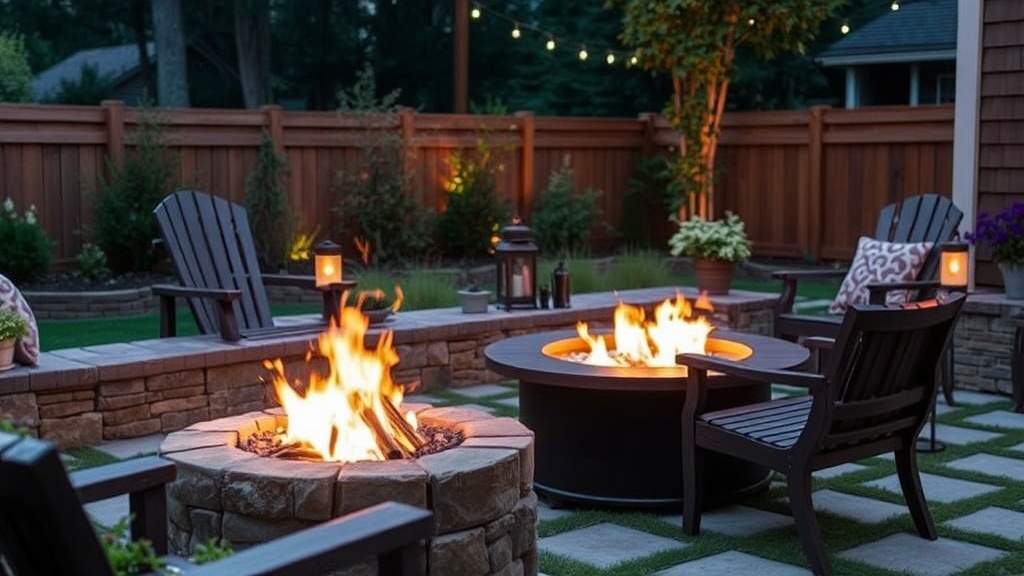
7 Best Fire Pit Styles for Your Backyard

Classic Wood-Burning Stone Pits
Sleek Modern Gas Fire Tables
Portable Propane Fire Bowls
Rustic Iron Fire Cauldrons
Minimalist Concrete Fire Features
Traditional Brick Fire Rings
Luxury Built-in Outdoor Fireplaces
A standard backyard setup often feels incomplete once the sun dips below the fence line. You have the perennials, the vegetable patches, and perhaps a seating area, but without a focal point for heat and light, the outdoor space becomes unusable during the cooler months. A fire pit serves as more than just a way to stay warm; it functions as a structural anchor for your landscape design, drawing people together and extending the utility of your garden into the autumn and early spring. This guide breaks down seven distinct fire pit styles to help you choose a model that fits your specific garden topography, maintenance capacity, and aesthetic goals.
1. The Classic Stone or Masonry Fire Pit
If you are looking to create a permanent architectural feature in your garden, a stone or masonry fire pit is the most robust option. These are typically built in place using natural materials like fieldstone, river rock, or flagstone. Because they are heavy and permanent, they work best in established garden beds or near a patio where the ground is stable and well-draining.
When installing a masonry pit, you must prioritize safety and drainage. I recommend building a base of compacted crushed stone or gravel before laying your heavy rocks. This prevents the structure from shifting as the ground settles or during heavy rain. If you are building this near your vegetable garden, ensure the pit is at least 10 to 15 feet away from any flammable organic matter or wooden fences. To prevent water from pooling inside the pit after a storm, incorporate a small drainage hole at the bottom filled with a layer of river pebbles.
2. Portable Metal Fire Bowls
Metal fire bowls are the ideal choice for gardeners who value flexibility and want to avoid heavy construction. These units, often made from heavy-duty steel, cast iron, or copper, can be moved easily to follow the light or to clear a path for garden maintenance. They are particularly useful if you have a smaller backyard or a patio that you also use for large gatherings or seasonal plant displays.
Look for bowls with a high iron content, as thinner metals can warp under high heat. A popular choice is the Solo Stove or similar smokeless fire pit brands, which use secondary combustion to burn off smoke before it leaves the unit. This is a game-changer if you live in a neighborhood where smoke drifting into a neighbor's yard might cause friction. If you use a metal bowl on a wooden deck, always place it on a fire-resistant mat or a dedicated stone hearth to protect your outdoor flooring.
3. Built-in Gas or Propane Fire Tables
Gas fire tables offer a level of convenience and cleanliness that wood-burning pits cannot match. There is no wood to chop, no soot to clean up, and no unpredictable flying embers. These are excellent for modern, low-maintenance gardens where you want an instant flame at the touch of a button. They often feature a flat surface around the burner, allowing the pit to double as a coffee table for your outdoor lounge area.
When choosing a gas fire table, consider your utility connections. You can use portable propane tanks, which offer total mobility, or have a natural gas line run to the area for a permanent, seamless look. If you are placing a gas fire table near your seating area, keep in mind that the heat is more directed and consistent. This makes it a great companion for high-quality outdoor furniture, but be mindful of how heat affects your outdoor cushions if they are placed too close to the heat source.
4. The Rustic Wood-Burning Cauldron
For those of us who prefer a more "wild" or cottage-core aesthetic, a heavy iron cauldron or a tripod-mounted fire pit offers a rugged, functional charm. These setups are designed for more than just warmth; they are built for cooking. A tripod setup allows you to hang a Dutch oven or a cast-iron skillet over the flames, making it a central part of a garden-to-table dining experience.
This style works exceptionally well in a corner of the garden that feels slightly more unrefined, such as near a compost pile or a wild meadow patch. Because these setups can be quite messy with ash and soot, I suggest placing them on a dedicated gravel pad or a bed of sand. This makes it much easier to sweep up debris and prevents the ground from becoming a muddy, charred mess during the rainy season.
5. Modern Concrete Fire Features
Concrete fire pits are the go-to for minimalist or contemporary garden designs. They provide a sleek, sculptural element that looks just as good in the middle of a manicured lawn as it does on a stone patio. Because concrete is a dense material, these pits retain heat exceptionally well, providing a long-lasting warmth that lingers even after the fire has died down.
When selecting a concrete model, pay attention to the finish. Some are polished and smooth, while others have a more brutalist, textured appearance. If you are placing a concrete pit directly on your lawn, be aware that the heat can potentially scorch the grass underneath. To prevent this, I recommend setting the pit on a ring of pavers or a small gravel perimeter. This not only protects your turf but also creates a visual "buffer zone" that defines the fire area within your larger landscape.
6. Portable Fire Rings
The simplest and most budget-friendly option is the standard steel fire ring. These are lightweight, inexpensive, and can be tossed into a corner of the yard when not in use. They are perfect for renters or for gardeners who like to change their backyard layout frequently. You can find everything from basic ringed shapes to more decorative, laser-cut steel designs that cast interesting shadows on the ground.
The main drawback to a basic fire ring is its lack of structural presence. To make a fire ring feel like a deliberate part of your garden design rather than an afterthought, surround it with a ring of perennials or low-growing shrubs like Lavandula (Lavender) or Artemisia. This creates a "soft" boundary that integrates the metal ring into the organic textures of your garden. If you are worried about the heat affecting your plants, ensure there is a minimum of 12 inches of clearance between the ring and any foliage.
7. Sunken Fire Pits
A sunken fire pit is a high-end landscaping move that creates an intimate, "conversation pit" feel. This involves excavating a portion of your yard and building the fire feature into the ground level. It is an excellent way to create a sense of enclosure and privacy without building tall, unsightly fences. It also helps to dampen the sound of the fire, making it a quiet sanctuary for evening reflection.
A sunken pit requires significant planning regarding drainage and soil stability. You cannot simply dig a hole; you must create a multi-layered system of gravel, sand, and a waterproof liner to ensure your fire pit doesn't become a pond during a heavy downpour. This type of project is best suited for those who have already mastered their garden's drainage and are looking to make their backyard feel like a luxury resort. It is a permanent commitment that adds significant value and character to a property.
Choosing the Right Style for Your Space
To decide which of these seven styles is right for you, ask yourself three practical questions:
- How much maintenance am I willing to do? If you hate cleaning up ash, go with gas. If you enjoy the ritual of tending a fire, go with wood-burning.
- What is my primary goal? If it's cooking, choose a cauldron or a heavy-duty metal bowl. If it's aesthetic focal point, choose concrete or masonry.
- How much space do I have? A small patio is better suited for a metal bowl or a gas table, while a large, open lawn can accommodate a sunken pit or a large masonry structure.
Regardless of which style you choose, always remember that a fire pit is a tool for connection. Whether you are roasting marshmallows with neighbors or sitting quietly with a book, the right fire feature turns a simple backyard into a living, breathing part of your home.