Your Garden's Unseen Allies: How to Welcome Helpful Insects for a Thriving Ecosystem

Why should I invite more bugs into my garden?
Did you know that less than 1% of insect species are considered pests to agriculture and gardening? The vast majority – over 99% – are either harmless or, more importantly, incredibly beneficial. Ignoring this natural workforce means missing out on free, efficient pest control and vital pollination services. My own journey, from meticulously manicured lawns to a vibrant, slightly unruly suburban jungle, taught me this firsthand: a truly alive garden isn't just about what you plant, but who you invite to live among those plants. This isn't about letting your garden go feral, but rather cultivating a dynamic ecosystem where nature does a lot of the heavy lifting for you.
Inviting more bugs into your garden might sound counterintuitive if you've been taught to spray away anything that moves. Yet, the truth is, a diverse insect population is the hallmark of a healthy, resilient garden. These tiny creatures perform essential roles, often without us even realizing it. The primary benefits fall into two main categories: pest control and pollination. When it comes to pest control, think of beneficial insects as your garden's personal security detail. Lady beetles (often called ladybugs), for example, are voracious eaters of aphids, mites, and other soft-bodied pests. A single lady beetle can consume up to 5,000 aphids in its lifetime! Lacewing larvae, those tiny alligator-like creatures, are equally formidable, making quick work of mealybugs, thrips, and whiteflies. Then there are parasitic wasps, often so small you barely notice them, which lay their eggs inside or on common garden pests, effectively turning the pests into nurseries for the next generation of helpful insects. These are just a few examples; the list of natural predators and parasites is long and incredibly diverse. Relying on them significantly reduces the need for chemical interventions, which often harm beneficials more than they do the pests.
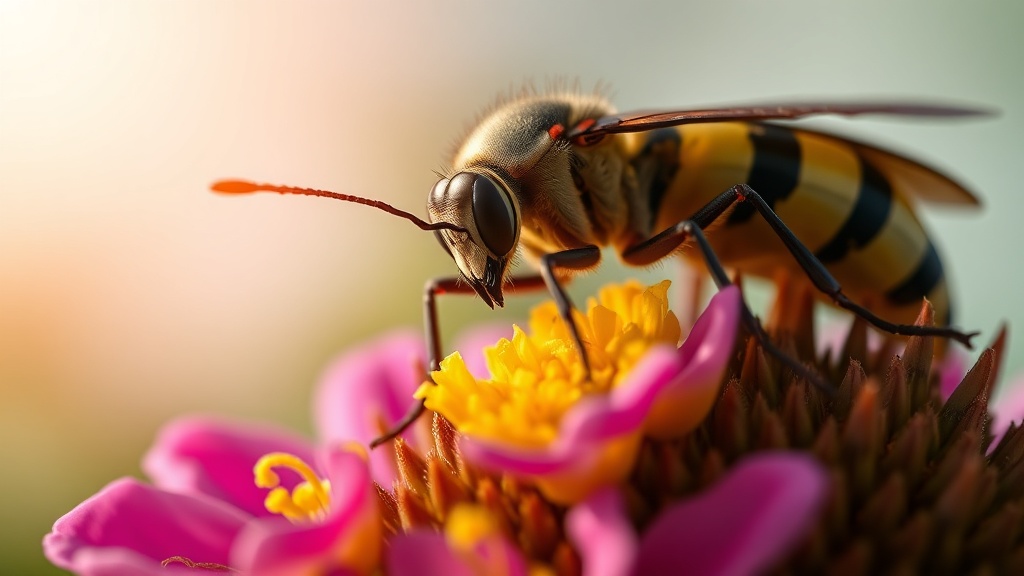
Beyond pest management, a garden buzzing with life is a garden that gets pollinated. Bees, of course, are the superstars here – and not just honey bees. Our native solitary bees, bumblebees, and even some types of flies, beetles, and moths are crucial for fruit set and seed production. Without these pollinators, many of our favorite garden edibles, from tomatoes and squash to berries, simply wouldn't produce. By creating an inviting habitat, you ensure these industrious workers visit your plants, transferring pollen from flower to flower and ultimately leading to a more bountiful harvest. It's a beautiful, symbiotic relationship: you provide food and shelter, and they provide indispensable services. It really is a win-win for everyone involved – especially your garden.
What plants attract the best garden helpers?
The foundation of a beneficial insect habitat lies in thoughtful plant selection. You're essentially setting up a buffet and a bed-and-breakfast for your garden's helpful residents. Diversity is key here – different beneficials have different preferences for nectar, pollen, and shelter. Aim for a mix of flower shapes, sizes, and colors, ensuring a continuous bloom from early spring to late fall. Think of it as creating a vibrant, ever-changing tapestry of resources.
One of the easiest ways to start is by incorporating plants from the daisy and carrot families.