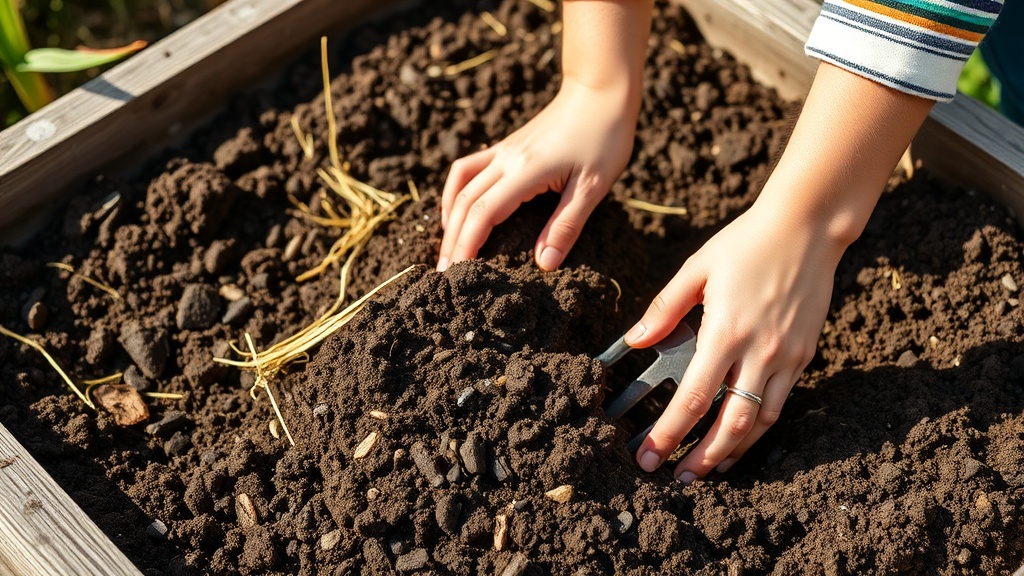
Sustainable Spring Soil Prep: 7 Low‑Cost Steps for a Thriving Zone 7b Garden

Why does spring soil preparation matter for a Zone 7b garden?
Because healthy soil is the foundation of every thriving garden. In Zone 7b, where the growing season is generous but the soil can swing between compacted clay and dry sand, getting the soil right this spring sets the stage for a bountiful summer.
What are the essential steps to prep soil sustainably and on a shoestring budget?
Below are seven practical actions you can start this March, each backed by low‑cost, earth‑friendly methods.
1. Test Your Soil – Know What You’re Working With
Before you add anything, discover your soil’s pH, texture, and nutrient levels. I skip this step at my own peril, and you shouldn’t either.
Grab a cheap test kit from your local garden center (under $10) or send a sample to your county extension. The USDA Natural Resources Conservation Service (NRCS) provides a free Soil Health Card you can fill out with the results.
2. Amend with Compost – The Cheapest Soil Booster
Compost is the ultimate multitalented amendment: it improves structure, adds organic matter, and feeds microbes. If you have kitchen scraps, coffee grounds, and yard waste, start a hot compost pile this month. It’s free, and you’ll have dark, crumbly humus ready by early summer.
Spread a 1‑2‑inch layer over the planting area and work it into the top 6‑8 inches with a garden fork.
3. Balance pH with Lime or Sulfur – Use What’s Locally Available
Most vegetables prefer a pH of 6.0‑6.5. In the Appalachian foothills, soils often lean acidic. A handful of garden‑store lime (or agricultural gypsum if you need to raise calcium) can neutralize excess acidity. Conversely, elemental sulfur drops pH if your soil is too alkaline.
Apply according to the test results—usually 5‑10 lb per 100 sq ft for a 0.5 pH shift.
4. Mulch with Straw or Leaf Litter – Save Water and Suppress Weeds
After you incorporate compost, cover the beds with a 2‑inch layer of straw, shredded leaves, or pine needles. Mulch retains moisture, moderates temperature, and feeds the soil as it breaks down.
Pro tip: Collect fallen leaves in the fall, shred them with a leaf mulcher, and store them in a dry pile for next spring’s use.
5. Introduce Beneficial Microbes – DIY Mycorrhizal Inoculant
Mycorrhizal fungi form symbiotic relationships with plant roots, boosting nutrient uptake. You can buy a modest packet (<$15) or make a simple inoculant by mixing garden soil with a handful of mature compost and a spoonful of wood ash.
Apply the mixture at planting time and water in well.
6. Build a Rain Garden – Capture Runoff and Enrich Soil
Even a tiny rain garden can channel stormwater into a low‑lying bed, delivering a slow‑release water source and depositing fine sediments that improve texture. My own rain garden turned a soggy corner into a thriving herb patch.
Choose a spot 6‑12 inches below surrounding grade, dig a shallow basin, line with gravel, and fill with native, moisture‑loving plants.
7. Plant Cover Crops – The Green Manure Miracle
Before your main crops go in, sow a fast‑growing cover crop like clover, winter rye, or buckwheat. These plants protect soil from erosion, add nitrogen, and create a living mulch.
Terminate the cover crop by mowing a few weeks before planting and mix the cut material into the soil as a green fertilizer.
How do I keep the soil healthy all season?
Soil health isn’t a one‑time event. Keep adding organic matter, rotate crops, and avoid tilling whenever possible. In Zone 7b, a light no‑mow approach reduces compaction and encourages beneficial organisms.
Takeaway
Start with a quick soil test, feed the ground with compost, balance pH, mulch, invite microbes, harness rainwater, and sow cover crops. These seven low‑cost steps turn a mediocre patch into a thriving, sustainable garden that rewards you all summer long.
Related Reading
- Why Soil Testing Is the Spring Task Everyone Skips – A deeper dive into test kits and interpreting results.
- Hot Composting in March – Fast‑track your compost for spring planting.
- Mason Bees in March – Harness native pollinators for a healthier soil ecosystem.