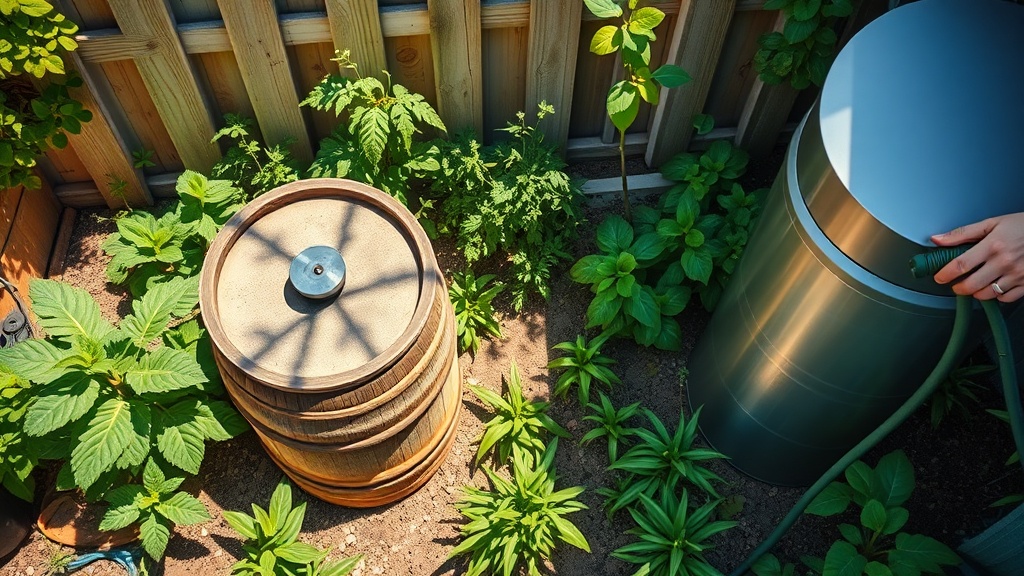
Rain Barrel vs Cistern: Which Water‑Wise System Wins for Your Small Yard

Which Water‑Wise System Suits My Small Yard? A Quick Comparison
When I first swapped my manicured lawn for an edible jungle, the biggest hurdle was figuring out how to capture the spring rains without turning my yard into a puddle‑filled swamp. I tried a classic rain barrel, then a sleek underground cistern. Both have their charms, but they also come with trade‑offs. Below is my hands‑on, dirt‑under‑the‑fingernails rundown so you can decide which one earns a spot in your garden.
What’s the Core Difference?
A rain barrel sits above ground, usually tucked under a downspout, collecting runoff in a visible container. A cistern lives underground (or in a basement), storing a larger volume out of sight. The choice boils down to three pillars: capacity, cost, and convenience.
1. Capacity – How Much Water Can I Actually Store?
Rain Barrel: Typical 55‑gallon barrels hold about 200‑250 L. In Zone 7b, a single spring storm can dump 0.5‑1 in of rain, which fills a 55‑gallon barrel in roughly 2‑3 hours. Good for a few weeks of watering if you’re diligent about using it.
Cistern: Even a modest 500‑gallon (≈1,900 L) underground tank gives you a month‑plus buffer during dry spells. Because it’s buried, you can stack multiple tanks and still keep the yard tidy.
2. Cost – Budget‑Friendly or Investment‑Heavy?
Rain Barrel: You can buy a ready‑made barrel for $70‑$120 or repurpose a 55‑gallon food‑grade drum for under $30 plus a few fittings. Add a basic screen and a spigot, and you’re set.
Cistern: Materials range from pre‑fabricated polyethylene tanks ($1,200‑$2,500 for 500 gal) to custom concrete vaults that can top $5,000. Installation adds $300‑$800 for excavation and plumbing.
3. Installation & Maintenance – How Much Work Is Involved?
Rain Barrel: DIY‑friendly. I installed my barrel in a weekend with a simple step‑by‑step guide. Just level the base, attach the downspout diverter, and you’re good to go. Maintenance is occasional cleaning of the screen and winterizing the spigot.
Cistern: Requires excavation, a sturdy base, and a pump if you want pressurized irrigation. I hired a local contractor for my first cistern—$800 for the trench alone. Ongoing upkeep means checking the pump, ensuring the lid seals, and occasionally flushing the tank.
4. Aesthetics – Does It Blend With My Edible Jungle?
Rain barrels are visible, so I chose a reclaimed wooden‑styled barrel that matches my garden’s rustic vibe. Cisterns hide the hardware, preserving the clean lines of my planting beds. If you love a tidy look, the underground option wins.
5. Plant Benefits – Which Feeds My Soil Better?
Both systems deliver rainwater that’s free of chlorine and salts, perfect for my soil‑food‑web strategy. However, a cistern lets you store water longer without the risk of algae buildup that can happen in an exposed barrel during hot summer days.
Quick Decision Tree
- If you have a tight budget and love DIY, start with a rain barrel.
- If you need more water storage for a larger garden or want a low‑profile look, invest in a cistern.
- If you’re tech‑savvy, pair a cistern with a solar‑powered pump and connect it to the smart irrigation system I reviewed earlier.
Pro Tips From the Garden Fence
- Combine Both: I keep a 55‑gallon barrel for immediate rain capture and a 300‑gallon cistern for long‑term storage. The barrel feeds the garden on rainy days; the cistern kicks in during dry spells.
- Use a Leaf‑Mold Filter: Instead of a cheap screen, line the barrel inlet with a bag of leaf mold. It traps debris and adds a tiny dose of organic matter to the water.
- Winterize Smartly: For barrels, empty and store the lid. For cisterns, add a few inches of antifreeze‑grade glycerin to prevent freezing in harsh winters (not needed in Zone 7b, but good to know).
External Resources
• EPA – Benefits of Rainwater Harvesting (authoritative guide, 2023)
• USDA NRCS – Rainwater Harvesting Design Manual (technical specs, 2022)
• Study on Underground Cistern Efficiency (peer‑reviewed, 2021)
Takeaway
Both rain barrels and cisterns can turn a fickle spring shower into a reliable water source for your edible jungle. If you’re just getting started or watching the wallet, a barrel is the perfect low‑cost entry. If you’re ready to scale up and hide the hardware, a cistern pays off in storage and aesthetics. My personal recipe? Start with a barrel, then graduate to a cistern when your garden outgrows the 55‑gallon limit.
Related Reading
- How to Install a Rustic Rain Barrel for Water‑Wise Gardening – step‑by‑step installation guide.
- 5 Budget‑Friendly Smart Irrigation Solutions for Small Yards (2026) – pair your water storage with efficient watering.
- Sustainable Spring Soil Prep: Low‑Cost Steps for Zone 7b – keep the soil ready for the water you’ll collect.