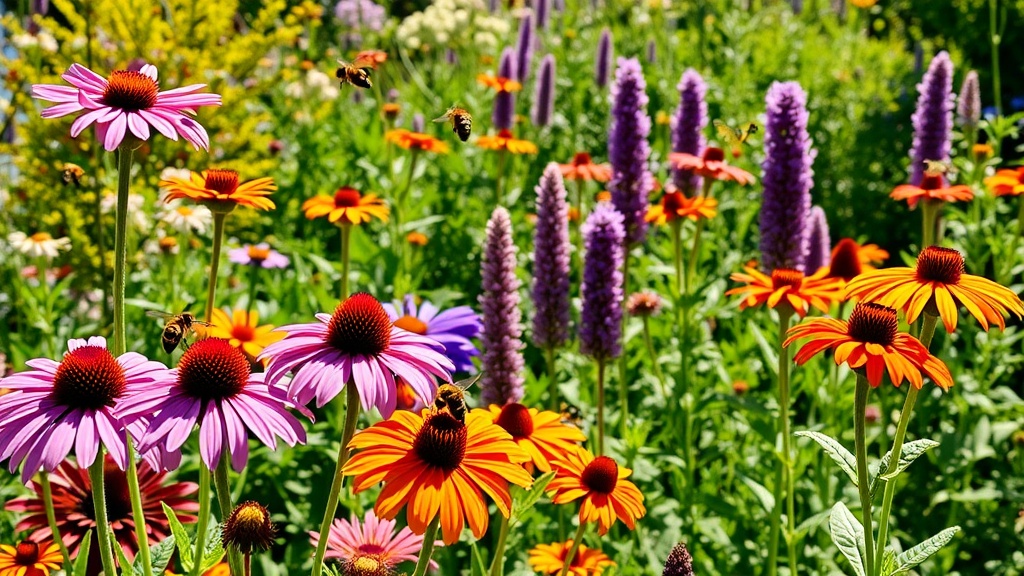
Native Pollinator Plants for Zone 7b: 12 Must‑Have Species

Purple Coneflower (Echinacea purpurea)
Bee Balm (Monarda didyma)
Butterfly Milkweed (Asclepias tuberosa)
Blazing Star (Liatris spicata)
Mountain Mint (Pogostemon cablin)
Buttonbush (Cephalanthus occidentalis)
Virginia Bluebells (Mertensia virginica)
Coreopsis (Coreopsis verticillata)
Black-eyed Susan (Rudbeckia hirta)
Sedum ‘Autumn Joy’ (Hylotelephium spectabile)
Goldenrod (Solidago spp.)
Wild Bergamot (Monarda fistulosa)
Ever wonder why your garden feels quiet in spring? The secret could be the plants you’ve chosen. Swap out the bland lawn staples for native pollinator powerhouses, and watch your yard come alive with buzzing bees, fluttering butterflies, and hummingbirds.
Why it matters: In Zone 7b, the right native species not only feed pollinators but also thrive with minimal water and care—perfect for my sustainable‑first philosophy.
What are the top native pollinator‑friendly perennials for Zone 7b?
- Purple Coneflower (Echinacea purpurea) – Long‑blooming, drought‑tolerant, attracts bees and butterflies. Plant in full sun.
- Bee Balm (Monarda didyma) – Aromatic leaves, tubular flowers loved by hummingbirds and bumblebees. Prefers moist, well‑drained soil.
- Butterfly Milkweed (Asclepias tuberosa) – Bright orange flowers, essential for monarch caterpillars and adult butterflies.
- Blazing Star (Liatris spicata) – Spike of purple blooms, a favorite of long‑tongued bees.
- Mountain Mint (Pogostemon cablin) – Fragrant foliage, attracts a variety of native bees.
- Buttonbush (Cephalanthus occidentalis) – Shrubby perennial with globe‑shaped flowers that draw bees, butterflies, and hummingbirds.
- Virginia Bluebells (Mertensia virginica) – Early‑spring bell‑shaped flowers, early‑season pollinator food.
- Coreopsis (Coreopsis verticillata) – Drought‑tolerant, bright yellow flowers, excellent for bumblebees.
- Black‑eyed Susan (Rudbeckia hirta) – Classic summer bloomer, easy to grow, attracts a broad pollinator suite.
- Sedum ‘Autumn Joy’ (Hylotelephium spectabile) – Late‑season nectar source for late‑summer bees.
- Goldenrod (Solidago spp.) – Often maligned, but a powerhouse for late‑season insects.
- Wild Bergamot (Monarda fistulosa) – Similar to bee balm, thrives in drier spots, draws many pollinators.
Tip: Group plants that bloom at different times to provide a continuous food source from early spring through fall.
Which shrubs and small trees attract bees and butterflies?
- Serviceberry (Amelanchier arborea) – Early white flowers, then edible berries for birds.
- Redbud (Cercis canadensis) – Showy pink blossoms in early spring, loved by bees.
- Ninebark (Physocarpus opulifolius) – White to pink clusters, hardy and low‑maintenance.
- Littleleaf Linden (Tilia cordata ‘Littleleaf’) – Sweet‑scented flowers, a magnet for honeybees and bumblebees.
These woody plants add structure and seasonal interest while feeding pollinators.
How can I design a pollinator garden on a small suburban lot?
- Choose a sunny spot – Most pollinators need at least 6 hours of direct sunlight.
- Create layers – Groundcovers (e.g., Coreopsis), mid‑height perennials (Coneflower), and a few shrubs for vertical interest.
- Add a water source – A shallow birdbath or a mud puddle helps butterflies drink.
- Avoid pesticides – Opt for the soil‑first pest strategies I wrote about in my March Pest Control Without Spraying.
- Provide nesting sites – Leave a patch of bare soil for ground‑nesting bees and install a few mason‑bee houses (see my post on Mason Bees in March).
When should I plant these species for maximum bloom?
- Early spring (March–April) – Plant early bloomers like Virginia Bluebells, Serviceberry, and Redbud.
- Late spring (May–June) – Introduce mid‑season perennials such as Coneflower, Bee Balm, and Coreopsis.
- Summer (July) – Add late‑season beauties like Sedum ‘Autumn Joy’ and Goldenrod.
Staggered planting ensures a steady stream of nectar throughout the growing season.
What low‑maintenance tricks keep pollinators thriving year‑round?
- Mulch with straw or leaf litter – Retains moisture and provides overwintering habitat.
- Leave a few wildflower “gaps” – Untended patches become seed sources for native bees.
- Plant a rain garden – My guide on a Rain Garden for Asheville shows how to capture runoff while creating a moist micro‑habitat perfect for early‑season pollinators.
- Rotate annual flower beds – Replace yearly with a different native mix to keep disease pressure low.
Takeaway
By selecting these 12 native pollinator plants and layering shrubs, you’ll build a resilient, low‑maintenance garden that feeds bees, butterflies, and hummingbirds from spring to fall. Start with a sunny corner, plant in bloom‑staggered groups, and let nature do the work. Share your pollinator garden photos on the Green Gardens community – I love seeing the buzz!