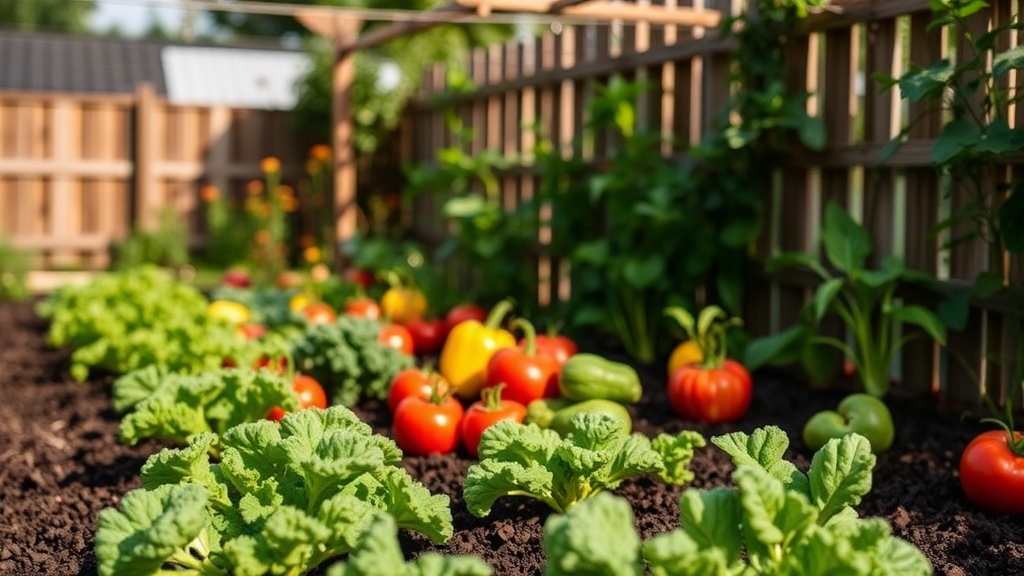
How to Start a Vegetable Garden from Scratch in Your Backyard

Starting a vegetable garden from scratch transforms any patch of dirt into a productive, living pantry. This guide covers everything from site selection and soil preparation to planting schedules and pest control—giving you a clear roadmap to harvest your own tomatoes, peppers, and leafy greens without the trial-and-error that trips up most beginners.
Where's the Best Place to Put a Vegetable Garden in Your Yard?
Pick a spot that gets at least six hours of direct sunlight daily. Most vegetables—tomatoes, peppers, squash, beans—are sun-hungry plants that sulk in shade. Walk outside at different times of day. Notice where the sun hits at 9 AM, noon, and 4 PM. That shady corner by the fence might look inviting, but it'll limit you to lettuce and kale.
Consider water access. You'll be carrying hoses, dragging watering cans, or setting up drip irrigation. A location within reach of a spigot saves countless trips. Flat ground beats sloped—water runs downhill, and so does your soil. If sloped is all you've got, build raised beds or terrace the area to prevent erosion.
Watch for tree roots. Mature maples and oaks extend their root systems far beyond their canopy. Digging through a web of feeder roots is miserable work, and those roots will compete with vegetables for water and nutrients. Keep gardens at least 10 feet from large trees.
Wind matters too. Constant gusts dry out soil, snap stems, and stress plants. A fence, hedge, or row of tall crops like corn can buffer the breeze. That said, avoid low spots where cold air settles—frost pockets kill tender seedlings in spring and fall.
What Do You Actually Need to Start a Vegetable Garden?
Good tools make the work easier, but you don't need much to begin. Here's what experienced gardeners reach for day after day:
| Tool | Why It Matters | Recommended Option |
|---|---|---|
| Spade or digging fork | Breaks ground, turns soil, mixes in compost | Fiskars Steel Digging Shovel (lifetime warranty) |
| Garden fork | Loosens compacted soil without destroying structure | Bulldog Premier Digging Fork |
| Hand trowel | Transplanting seedlings, digging planting holes | Wilcox All-Pro Stainless Steel Trowel |
| Hoe | Weeding, cultivating soil surface | Nejiri Gama Japanese weeding hoe |
| Watering can or hose | Gentle watering that doesn't blast seedlings | Dramm One Touch Rain Wand |
| Wheelbarrow or garden cart | Moving compost, mulch, harvests | Gorilla Carts GOR4PS Poly Garden Dump Cart |
Beyond tools, you'll need soil amendments. Most backyard soil isn't garden-ready out of the box. Compost is the single best investment—buy it by the cubic yard from local landscape suppliers (cheaper than bagged) or start a pile now for next season. Aim for 2-3 inches spread over the entire bed.
Skip the synthetic fertilizers at first. They feed plants, not soil. Instead, focus on building organic matter. Well-rotted manure (aged at least six months—fresh burns roots), mushroom compost, or leaf mold all work. Get a soil test through your local cooperative extension—it's usually $10-20 and tells you exactly what your ground lacks.
How Do You Prepare the Ground for Planting?
Clear the area completely. Remove grass, weeds, rocks, and debris. For small plots, hand-digging works. For larger spaces, consider sheet mulching (lasagna gardening)—layers of cardboard, compost, and mulch that smother grass over several months without backbreaking labor.
Double-digging isn't necessary for most home gardens. It's exhausting work, and research from University of Vermont Extension shows that no-till methods often produce better long-term results. Instead, loosen the top 8-12 inches of soil with a fork. Remove rocks and roots. Don't pulverize the soil into dust—clumps the size of peas are fine.
Mix in compost evenly. Spread it across the surface, then work it in. For raised beds (a smart choice if your native soil is terrible), fill with a blend of topsoil and compost—about 60/40. The catch? Don't walk on prepared beds. Compacted soil roots poorly and drains badly. Keep beds narrow enough to reach the center from either side—4 feet maximum.
Test drainage by digging a hole 12 inches deep and filling it with water. If it's still pooled after four hours, you've got drainage issues. Raised beds solve this. Or install French drains below the root zone.
Which Vegetables Should Beginners Grow First?
Start with crops that forgive mistakes and produce quickly. Leafy greens—lettuce, spinach, arugula—mature in 30-45 days and tolerate cooler weather. Radishes go from seed to crunch in 25 days. Bush beans pump out pods all summer with minimal fuss.
Here's the thing about tomatoes: everyone wants them, but they're divas. They need staking, consistent watering (inconsistent moisture causes blossom end rot), and protection from blight. Start with a determinate variety like 'Roma' or 'Celebrity'—they're more compact and less demanding than sprawling indeterminates. Save the heirloom Brandywines for year two.
Peppers are easier than tomatoes but slower. Start with seedlings from a local nursery rather than seeds your first season. Zucchini and summer squash produce abundantly—sometimes too abundantly. Two plants feed a family of four.
Herbs belong in every beginner garden. Basil, parsley, cilantro, and chives grow fast, tolerate some neglect, and transform cooking. Plant them near the kitchen door where you'll actually snip them.
Skip corn for now. It needs space, pollinates poorly in small stands, and raccoons always know when it's ripe. Asparagus is a long-term commitment—three years before real harvests. Brussels sprouts frustrate beginners with their long season and pest pressures.
When Should You Plant Different Vegetables?
Timing depends on your last frost date—find yours at The Old Farmer's Almanac. Vegetables fall into two camps: cool-season crops that thrive in 40-65°F and warm-season crops that demand 65°F+ soil and air temperatures.
Cool-season vegetables go in 4-6 weeks before the last frost. Think peas, spinach, lettuce, kale, broccoli, cabbage, carrots, beets, and radishes. These tolerate light frosts—some even taste better after a cold snap sweetens their sugars. Plant successive rounds every two weeks for continuous harvests.
Warm-season crops can't go in until all frost danger passes and soil warms. Tomatoes, peppers, eggplant, beans, squash, cucumbers, and melons sulk in cold soil. Memorial Day is the traditional benchmark in much of the U.S., but check your local soil temperature—65°F sustained is the magic number. Black plastic mulch warms soil faster for eager planters.
Worth noting: seed packets list "days to maturity" from transplant date for crops typically started indoors, and from direct-sowing for others. Read carefully. A tomato marked "75 days" won't be ripe 75 days after you plant your seedling in May.
How Do You Keep a Vegetable Garden Alive?
Water deeply and less frequently—this encourages deep root growth. Shallow daily sprinkling creates shallow, dependent roots. Aim for 1-2 inches of water weekly, including rainfall. Stick your finger in the soil—if it's dry two inches down, water. Morning watering reduces disease pressure.
Mulch everything. Straw, shredded leaves, grass clippings (untreated), or wood chips suppress weeds, regulate soil temperature, and conserve moisture. Apply 2-3 inches after soil warms in spring, keeping mulch an inch away from plant stems to prevent rot.
Weeds compete for water and nutrients. Pull them young—before they set seed and multiply your problems. Hoe weekly when they're small; it's ten minutes of easy work versus hours battling established invaders. The ten-minute rule: never leave the garden without spending ten minutes weeding.
Watch for pests daily. Catching aphids or cabbage worms early means hand-picking or a strong spray of water. Wait a week, and you'll need stronger interventions. Row covers—lightweight fabric draped over hoops—exclude pests physically without sprays.
Fertilize mid-season. Even with compost, heavy feeders like tomatoes and corn appreciate a side-dressing of organic fertilizer when fruiting begins. Fish emulsion or seaweed extract applied as a foliar feed gives plants a boost during stressful heat waves.
Harvest regularly. Picking beans, zucchini, and cucumbers when young signals the plant to produce more. Letting vegetables over-mature shuts down production. Walk the garden every morning with a basket—it's the best part of having a backyard vegetable patch.
Starting from bare ground to dinner plate takes patience, but the learning curve steepens quickly. By your second season, you'll know your soil, your pests, and your preferences. The garden teaches—your job is to pay attention, adjust, and keep planting.
Steps
- 1
Choose the Perfect Location and Prepare Your Soil
- 2
Select the Right Vegetables and Plant at the Proper Time
- 3
Water, Mulch, and Maintain Your Garden Throughout the Season