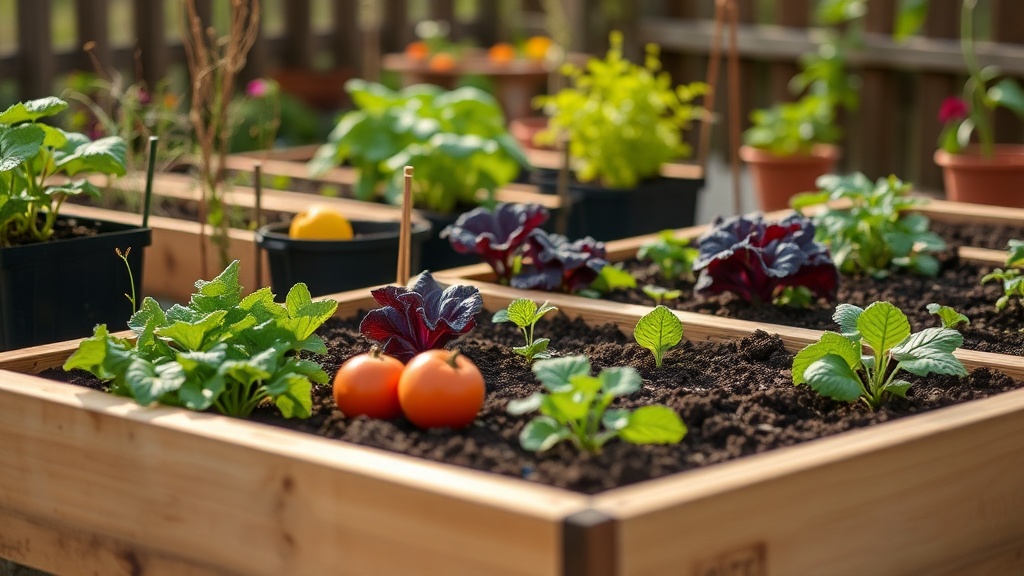
How to Start a Raised Bed Vegetable Garden This Spring

This post covers everything needed to start a raised bed vegetable garden this spring—from choosing lumber and soil mixes to picking the right crops and keeping them alive through the first season. A raised bed warms up faster than ground-level soil, drains better after heavy rain, and saves your back from endless bending. Whether you're working with a small backyard in Portland or a sunny side yard in Atlanta, you'll find practical steps that cut through the noise and get dirt under your fingernails fast.
What Do You Put at the Bottom of a Raised Garden Bed?
Cardboard, newspaper, or plain untreated wood chips work perfectly as the bottom layer of a raised bed. These materials smother grass and weeds while breaking down slowly into organic matter. (Don't use glossy magazine pages or plastic sheeting—they'll trap water and create a soggy mess.)
Here's the thing: not every bed needs a bottom at all. If the raised frame sits directly on native soil, the roots will eventually reach down into the earth below. That said, a barrier helps when placing the bed on top of an old lawn or a spot thick with invasive weeds like bindweed. Overlapping sheets of plain brown cardboard—free from most Amazon deliveries, tape removed—create an effective, biodegradable shield that disappears within a single growing season.
For beds taller than 18 inches, some gardeners fill the bottom third with inexpensive "filler" material to save on soil costs. Sticks, fallen leaves, grass clippings (untreated), and even straw bales break down over time and create a sponge-like reservoir for moisture. This technique—sometimes called Hugelkultur when wood is the main filler—improves drainage and feeds the soil biology from below. The wood draws in beneficial fungi and holds water like a slow-release battery during dry spells.
Worth noting: avoid pressure-treated lumber scraps, old railroad ties, or any wood stained with creosote at the bottom of a vegetable bed. Chemicals can leach upward into the root zone. For the frame itself, cedar and redwood last for years without treatment, while food-safe options like EPA-recognized untreated lumber or metal beds from Vego Garden offer clean alternatives.
What Is the Best Soil Mix for a Raised Bed Vegetable Garden?
The best soil mix for a raised bed is roughly 60% topsoil, 30% compost, and 10% aeration material like coarse perlite or rice hulls. This blend gives young vegetables the nutrients, drainage, and root penetration they need from day one.
Bagged "raised bed soil" from Miracle-Gro or FoxFarm works in a pinch, but it's pricey to fill a 4×8 foot bed that's 12 inches deep. (That single bed holds about 32 cubic feet of material—more than you'd think.) A smarter move is ordering bulk topsoil and compost from a local space yard, then mixing in a few bags of Black Kow composted cow manure or Coast of Maine lobster compost for a mineral boost. If you have access to finished homemade compost, that's pure gold—darker, crumblier, and alive with worms.
The catch? Not all topsoil is created equal. Ask for "screened" or "pulverized" garden topsoil, not fill dirt. Fill dirt is cheap, but it's often depleted, rocky, and lacking the organic matter vegetables crave. If the soil feels heavy and clumps like modeling clay, mix in more compost and a bucket or two of peat moss or coconut coir to loosen the structure. Roots need air pockets as much as they need water—without them, tomatoes sulk and carrots fork into weird, twisted shapes.
Before planting anything, send a sample to your state's cooperative extension service—many offer affordable soil tests that reveal pH and nutrient levels. The USDA maintains a directory of local extension offices, and their guidance can save an entire season of yellowing leaves and stunted tomatoes. Most vegetables prefer a slightly acidic pH between 6.0 and 6.8, though potatoes enjoy it a bit more sour and Brussels sprouts lean toward neutral.
| Soil Ingredient | Role | Good Sources |
|---|---|---|
| Topsoil | Base structure and mineral content | Local space supply, bulk delivery |
| Compost | Nutrients and beneficial microbes | Black Kow, Coast of Maine, homemade |
| Aeration Material | Prevents compaction, improves drainage | Perlite, vermiculite, rice hulls |
| pH Amendment | Balances acidity for vegetable uptake | Lime (raises pH), sulfur (lowers pH) |
Which Vegetables Grow Best in Raised Beds for Beginners?
Lettuce, radishes, bush beans, cherry tomatoes, and snap peas grow best in raised beds for beginners because they germinate quickly, tolerate small spaces, and reward new gardeners with harvests within weeks. These crops don't demand perfection—just consistent water, six to eight hours of sun, and soil that isn't compacted.
Here's the thing: raised beds excel at intensive planting. Instead of scattering seeds across wide rows, you can plant in grids or tidy blocks. A single 4×4 foot bed can hold sixteen lettuce plants spaced six inches apart, or nine bush bean plants in a square-foot pattern. This method—popularized by Mel Bartholomew's Square Foot Gardening—maximizes every inch and shades out weeds before they take hold. You'll harvest more food from less space, and the dense canopy keeps soil cool during hot afternoons.
That said, some vegetables need more elbow room. Indeterminate tomatoes, zucchini, and winter squash will swallow a small bed whole if left untamed. If space is tight, choose compact varieties like 'Patio Princess' tomatoes, 'Astia' zucchini bred for containers, or pole beans trained up a Cattle Panel trellis instead of bushing out across the soil. Even a single cucumber vine, guided vertically with garden twine, produces dozens of fruits while using barely one square foot of ground.
Timing matters just as much as variety choice. Cool-season crops—spinach, kale, carrots, and beets—thrive in soil temperatures between 45°F and 65°F. Warm-season crops like peppers, eggplant, and melons sulk until soil hits 60°F and nights stay above 50°F. A simple soil thermometer from AcuRite removes the guesswork. Plant too early, and seeds rot. Plant too late, and summer heat turns lettuce bitter before it bolts. For exact planting dates by zip code, the Old Farmer's Almanac planting calendar is a reliable, free tool used by generations of backyard growers.
How Deep Should a Raised Bed Be for Vegetables?
A raised bed should be at least 8 to 12 inches deep for most vegetables, though 18 inches is ideal for root crops like carrots, parsnips, and long daikon radishes. Shallow beds dry out faster and restrict root development, which leads to smaller harvests and stressed plants.
Leafy greens and radishes manage fine in 6-inch beds, but why limit yourself? Deeper soil holds more moisture, supports larger root systems, and gives you flexibility to rotate crops season after season. If you're building on concrete, compacted gravel, or contaminated ground, aim for 24 inches so roots have room to roam without hitting a hard ceiling. Tomatoes, in particular, send roots down two feet or more when given the chance—and deeper roots mean better drought tolerance and heavier fruit set.
How Do You Maintain a Raised Bed Through the Season?
Consistent watering, a 2-inch layer of organic mulch, and monthly scouting for pests keep a raised bed productive from spring through fall. Raised beds drain well—which is usually a blessing—but that same drainage means they dry out faster than in-ground plots during heat waves.
Drip irrigation or soaker hoses from DripWorks or Rain Bird deliver water straight to the root zone without wetting leaves and inviting fungal issues. If you're hand-watering, aim the stream at the soil line early in the morning. Wet foliage at night is an open invitation for powdery mildew and slug parties. During peak summer, a raised bed might need water every morning, especially if it's built from metal, which heats up faster than wood.
Mulch is the quiet hero of low-maintenance gardening. Straw (not hay, which is full of weed seeds), shredded leaves, or grass clippings tucked around plants lock in moisture, moderate soil temperature, and suppress weeds. As the season progresses, this mulch breaks down and feeds the soil—no tilling required. Just top it off mid-season if bare patches start showing.
Worth noting: raised beds don't eliminate pests. They just give you a smaller battlefield. Cabbage worms, aphids, and squash vine borers still show up uninvited. A weekly walk-through with a cup of soapy water for hand-picking caterpillars, plus floating row cover from Gardener's Supply Company draped over young brassicas, prevents most damage before it starts. Interplanting flowers like 'Benary's Giant' zinnias and 'Crackerjack' marigolds attracts pollinators and predatory insects that keep pest populations in check without sprays.
"A garden is a grand teacher. It teaches patience and careful watchfulness; it teaches industry and thrift; and above all it teaches entire trust." — Gertrude Jekyll
Come autumn, resist the urge to strip the bed bare. Leave spent plant roots in place to decompose, top the bed with a fresh layer of compost, and sow a cover crop like crimson clover or winter rye if your climate allows. The soil life will feast all winter, and next spring's planting will hit the ground running. Even in cold zones where winter kills the cover crop, the dead plant material acts as a protective blanket against erosion and nutrient leaching.
Starting a raised bed vegetable garden doesn't require a space architecture degree or a truckload of power tools. A few boards, some quality soil, a handful of seeds, and a willingness to learn by doing will carry you further than any Pinterest-perfect plan. Here's to a spring full of fresh salads, sun-warmed tomatoes, and the quiet satisfaction of growing your own dinner.