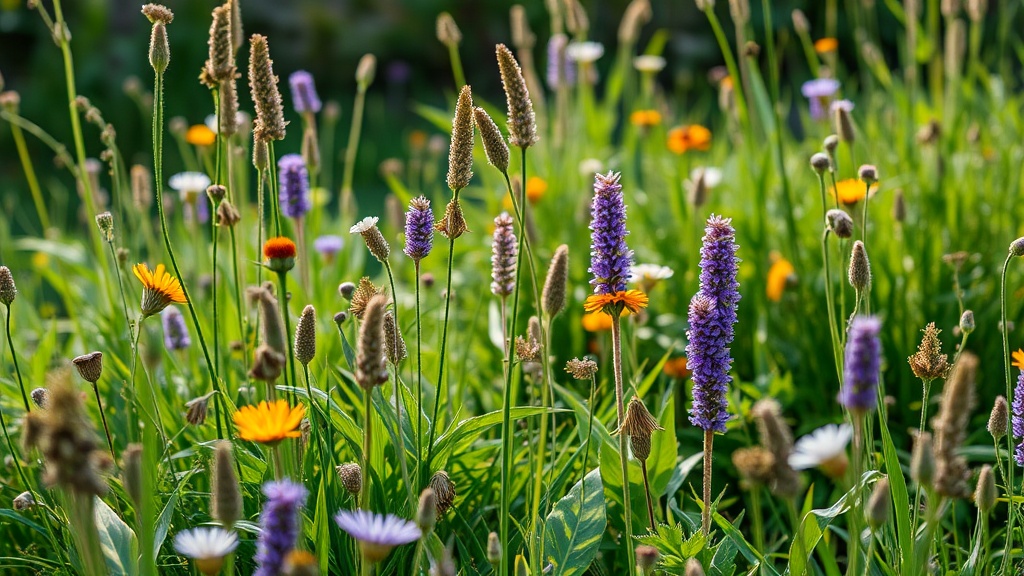
How to Create a Native Plant Meadow in a Small Backyard Space

Here's something that might surprise you—a typical lawn of Kentucky bluegrass consumes up to 10,000 gallons of supplemental water each summer while providing zero habitat for native pollinators. Meanwhile, a 200-square-foot patch of native wildflowers can support over 50 species of bees and butterflies, all while surviving on rainfall alone. For suburban gardeners ready to break free from the mowing cycle, converting even a small corner of your yard into a native meadow isn't just environmentally smart—it's the easiest gardening decision you'll ever make.
This isn't about letting your yard go wild (though there's beauty in that too). It's about intentionally designing a space that works with your local ecosystem rather than against it. Native meadows require less maintenance than turf grass, bloom in succession from spring through fall, and create the kind of living, breathing landscape that draws birds, beneficial insects, and quiet moments of wonder. And yes—you can do this in a weekend, even if you're working with a modest suburban lot.
What Native Plants Work Best for Small-Space Meadows?
The key to a successful meadow—especially in tight quarters—is choosing plants that play well together. You want a mix of heights, bloom times, and root structures that create a self-sustaining community. The good news? Native plant societies across the country have done the hard work of identifying which species thrive in your specific region.
For most temperate zones, start with a foundation of grass-like natives such as little bluestem, prairie dropseed, or sideoats grama. These provide the structural backbone that keeps your meadow looking intentional rather than weedy. Then layer in wildflowers based on bloom succession.
Early spring bloomers like wild lupine or Ohio spiderwort kick off the season. Summer brings coneflowers, black-eyed Susans, and bee balm into full glory. By late summer and fall, asters and goldenrods take center stage—often coinciding with the monarch migration. This succession ensures there's always something in bloom to support pollinators through the entire growing season.
If you're working with limited space (under 500 square feet), limit yourself to 5-7 species maximum. Too much diversity in a small area reads as visual chaos. Instead, plant in drifts of 3-5 plants of the same species grouped together. This creates the massing effect that makes meadows look professional rather than accidental—and it helps pollinators find and efficiently work the flowers.
How Do You Prepare the Ground Without Using Chemicals?
The biggest mistake new meadow-makers commit? Planting into existing turf without proper site preparation. Those grass roots will outcompete your native seedlings every time. But you don't need herbicides to clear the slate—just patience and a few sheet-mulching techniques that improve soil health while they work.
The easiest method is the cardboard smother technique. Mow your existing grass as short as possible, then lay down overlapping sheets of plain cardboard (remove tape and staples). Wet the cardboard thoroughly, then add 4-6 inches of compost or topsoil on top. The cardboard blocks light and prevents grass regrowth while attracting earthworms that break down the organic matter. Within 8-12 weeks, you'll have planting-ready soil with improved structure.
For faster results, solarization works well in sunny spots. After mowing short, water the area deeply, then cover with clear plastic sheeting secured at the edges. The greenhouse effect heats the soil to temperatures that kill grass roots and weed seeds. Four to six weeks of summer sun usually does the trick—though you'll want to time this so you're ready to plant in early fall, which is ideal for most native perennials.
Whichever method you choose, resist the urge to till. Tilling brings dormant weed seeds to the surface and disrupts the soil food web you've just started nurturing. Native plants evolved in undisturbed soils—they actually prefer the firm footing of untilled ground.
When Is the Best Time to Plant a Meadow Garden?
Contrary to vegetable garden wisdom, early fall is the sweet spot for planting native meadows in most regions. The soil is still warm enough for root establishment, but air temperatures have dropped and autumn rains reduce watering demands. More importantly, many native perennials require a period of cold stratification—their seeds won't germinate until they've experienced winter temperatures that break down their hard seed coats.
Spring planting works too, especially for container-grown plants (plugs) rather than seeds. If you go this route, aim for early spring as soon as the soil can be worked. Native plants focus energy on root development before top growth, so don't be alarmed if your first season looks sparse. That coneflower that barely reached 8 inches in June will explode to 3 feet by August of its second year.
The one timing rule that's non-negotiable? Avoid planting during drought or extreme heat waves. Even drought-tolerant natives need consistent moisture while they establish their root systems. Plan for 6-8 weeks of attentive watering after planting—think deep, infrequent soakings that encourage roots to chase moisture downward rather than shallow daily sprinkles.
Maintaining Your Meadow Through the Seasons
The beauty of a native meadow is that maintenance drops dramatically after the first two years—but those first seasons do require some stewardship. In year one, you'll be managing weeds that germinate from the existing seed bank in your soil. Mow the entire area to 4-6 inches height whenever weeds set seed (usually 3-4 times during the growing season). This prevents weeds from self-sowing while allowing native seedlings (which grow from deeper roots) to establish.
By year two, your native plants should be gaining the upper hand. Switch from mowing to spot-weeding, removing only invasive species or aggressive spreaders. Leave the spent flower stalks standing through winter—they provide seed for birds and shelter for beneficial insects. The dried stems of rattlesnake master, coneflower seed heads, and the architectural remains of native grasses create a winter garden that's arguably more interesting than summer's blooms.
Spring cleanup happens late—wait until daytime temperatures consistently reach 50°F to give overwintering insects time to emerge. Cut last year's growth back to 6-8 inches or simply stomp it down (many meadow-makers call this the "spring stomp"). The flattened stems become natural mulch that suppresses weeds and feeds the soil as they decompose.
Every three to four years, consider dividing congested clumps and filling any bare patches with additional plants. Meadows are dynamic communities—some species will thrive more than expected, others may fade. This isn't failure; it's succession. A meadow that looks identical year after year is a garden bed pretending to be wild. Embrace the changes, edit lightly, and let the plants show you what wants to grow.
Dealing with Skeptical Neighbors and HOAs
Let's address the elephant in the room—native meadows don't look like golf courses, and some people struggle with that aesthetic shift. A narrow mowed edge (even just 12-18 inches wide) creates a visual cue that your meadow is intentional, not neglected. This simple framing trick satisfies most skeptics and satisfies HOA requirements for "maintained" landscaping.
Signage helps too. A small placard identifying your space as a "Pollinator Habitat" or "Certified Wildlife Garden" signals purpose to passersby. The National Wildlife Federation's Garden for Wildlife program offers free downloadable signs once you meet their habitat criteria. Many states also have native plant society certification programs that lend credibility to your project.
If you live in an area with strict HOA covenants, start small. A front-yard meadow might be non-negotiable, but that sunny strip along the driveway? The awkward corner where the lawnmower barely fits? These secondary spaces often fly under the radar while you demonstrate that native plantings don't lower property values—they actually increase curb appeal once established.
The pollinators will find you faster than you think. Within the first season, you'll notice increased bee activity. By year two, butterflies become regular visitors. By year three, you'll be the house on the block that hums with life on warm afternoons. That transformation—from sterile turf to thriving ecosystem—is the best argument for natural gardening you'll ever make. Your neighbors will start asking questions. And that's when you get to share what you've learned—one fence conversation at a time.