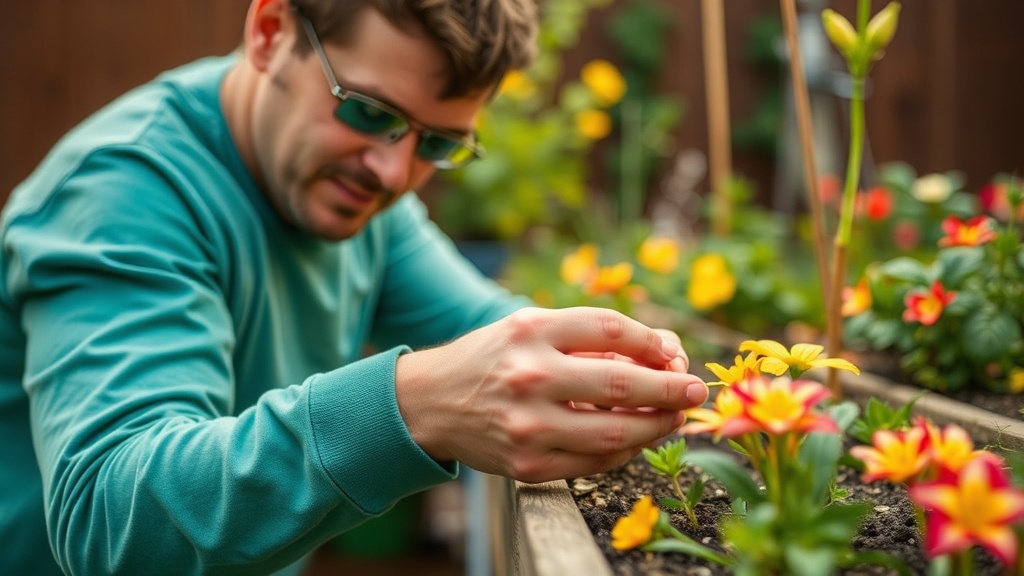
Growing More Than Just Greens: Ways to Add Life to Your Backyard

Why does my garden feel so empty?
You've planted your tomatoes, tucked in your peppers, and even got your basil looking lush, but something still feels off. It looks like a collection of pots rather than a living, breathing ecosystem. A garden shouldn't just be a production line for your kitchen; it should be a sanctuary for the tiny creatures that keep our world turning. When we focus only on yield, we often forget that a healthy backyard needs a bit of controlled chaos to truly thrive. This post covers how to bring biodiversity, movement, and texture back to your outdoor space through intentional, wilder planting methods.
A truly vibrant garden is a conversation between the plants and the pollinators. If your yard feels static—like a still life painting—it's likely because it lacks the structural variety and the right food sources for local wildlife. We're going to look at how you can move past the standard rows of vegetables and start building a habitat that feels alive.
What can I plant to attract bees and butterflies?
If you want to see more movement in your garden, you need to stop thinking about single-species blocks and start thinking about continuous blooms. Insects don't just show up for a one-week show; they need a reliable food source from early spring through the first frost. Instead of just a single row of marigolds, try layering your flowering plants by height and bloom time.
- Native Wildflowers: Forget the fancy hybrids from the big-box stores. Native species are already adapted to your soil and weather. They provide the specific nectar types that local bees crave.
- Nectar Rich Herbs: Lavender, rosemary, and thyme aren't just for cooking. They're tiny banquet halls for bees.
- Late Season Staples: Most people plant for June, but what about September? Planting things like Aster or Goldenrod ensures your garden doesn't go quiet when the heat peaks.
Check out the National Wildlife Federation for more specific ideas on how to create a waystation in your own backyard. It's not just about pretty flowers; it's about providing the fuel they need to complete their life cycles.
How do I make my garden more wildlife friendly?
Creating a habitat involves more than just the plants. It's about the little details that provide shelter and water. A garden that's too clean is actually a pretty hostile place for a beneficial bug. When you tidy up every single dead stem and leaf, you're essentially evicting the very creatures that help your garden grow. Instead of a manicured perfection, try leaving a little bit of the "mess" behind.
A pile of fallen branches in a quiet corner or a patch of tall, un-mown grass might look a bit wild to the neighbors, but to a ladybug or a lacewing, it's a luxury apartment. These insects are your best defense against pests. If you have a healthy population of beneficial insects, you won't need to reach for a spray bottle when aphids show up on your kale. You're inviting the natural balance back into your yard.
Small Tweaks for Big Impact
You don't need a massive acreage to make a difference. Even a small patio or a balcony can become a hub for life. Here are a few ways to increase the livability of your space:
- Water Sources: A shallow dish filled with pebbles and a bit of water can be a lifesaver for bees and butterflies. The pebbles give them a safe place to land without drowning.
- Layered Planting: Think in tiers. Low-growing groundcovers, mid-sized perennials, and taller shrubs create different niches for different animals.
- Avoid Chemicals: This is the most important rule. If you're using heavy pesticides, you're essentially poisoning the very guests you're trying to invite.
For more deep dives into soil health and plant life, University Extensions are an incredible resource for understanding the local biology of your region.
Can a wild garden still be productive?
There is a common myth that a "wild" garden is a lazy garden. That's simply not true. In fact, a garden that incorporates native plants and organic matter is often much more productive than one that relies on heavy inputs. When you build a soil-rich environment, your vegetables will actually grow better because the ecosystem is doing the heavy lifting for you. A healthy soil-food web—made of fungi, bacteria, and worms—is the real engine of a productive garden.
A productive garden isn't just about the harvest in your basket; it's about the health of the entire patch. When you mulch with compost or leave leaf litter, you're feeding the ground. When you plant flowering edges around your vegetable beds, you're inviting the pollinators that ensure your squash and cucumbers actually produce fruit. It's all connected. It's a cycle of giving and receiving that turns a simple backyard into a living, breathing sanctuary.
Don't be afraid to let things get a little unruly. A few weeds (the ones that actually provide value, like clover or dandelion) can be a sign of a healthy, diverse environment. The goal isn't to eliminate nature, but to partner with it. Once you start observing the way the light hits your plants and how the birds interact with your hedges, you'll realize that the best gardens aren't the ones that look perfect—they're the ones that feel alive.