Edible Perennials for Zone 7b: A Practical Garden Design Guide

Ever wondered why your garden feels like a seasonal buffet that disappears each fall? The secret is planting edible perennials that keep on giving, especially in USDA Zone 7b where the climate is just right for a handful of hardy, tasty crops.
In this guide I’ll walk you through the top perennials for our zone, how to design a low‑maintenance bed, and the seasonal care tricks that keep your harvest reliable year after year. Think of it as a backyard pantry that never runs out.
What are the best edible perennials for Zone 7b?
Zone 7b offers a sweet spot: mild winters, warm summers, and enough chill hours for many perennial vegetables. Here are my go‑to selections, each with a quick snapshot of why they thrive here:
- Asparagus (Asparagus officinalis) – Once established, you’ll harvest spears each spring for 15‑20 years. It loves well‑drained, loamy soil.
- Rhubarb (Rheum rhabarbarum) – A tart, early‑spring treat that tolerates the occasional frost.
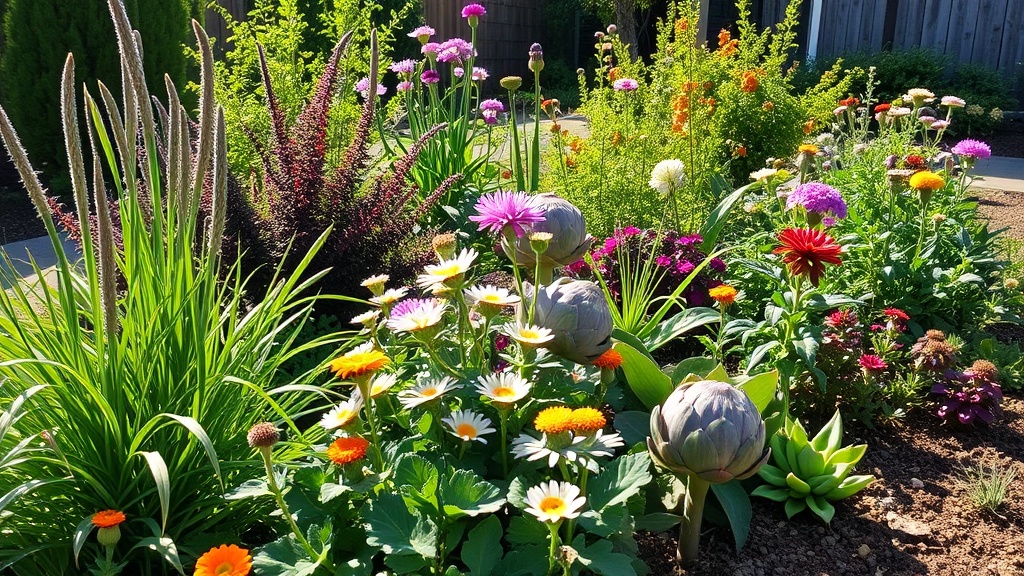
- Artichoke (Cynara scolymus) – A sun‑loving giant that produces edible buds for up to 5 years.
- Sunchokes (Helianthus tuberosus) – Also called Jerusalem artichoke, it’s a hardy tuber that spreads slowly.
- Strawberry (Fragaria × ananassa) – Ever‑bearing varieties keep fruit rolling from spring to fall.
- Herbs: Chives, Mint, and Oregano – Perennial herbs that survive the winter and refill your kitchen.
How do I design a low‑maintenance perennial garden?
Design is where the “joyful” meets the “practical.” I like to think of my garden as a series of functional rooms—each with its own purpose, yet all flowing together.
- Map the Sun – Use a sun‑tracker app (or a simple paper sketch) to note where full sun hits for at least 6 hours. Most perennials need that.
- Group by Water Needs – Place drought‑tolerant sunchokes on the drier side, and moisture‑loving rhubarb closer to a water source or drip line.
- Build Raised Beds – My favorite is a DIY raised bed made from reclaimed pallets (see my DIY raised bed tutorial). It improves soil drainage and reduces weeds.
- Incorporate Compost – Add a thin layer of hot compost (I wrote about hot composting in March) to feed the soil without the mess.
- Invite Pollinators – Plant native flowers nearby; mason bees love the nectar and will boost fruit set (Mason Bees in March).
When should I plant each perennial?
Timing is everything. Here’s my planting calendar for Zone 7b:
| Plant | Planting Time | Notes |
|---|---|---|
| Asparagus crowns | Early Spring (March‑April) | Plant 12‑18" deep; space 12" apart. |
| Rhubarb crowns | Early Spring | Plant shallow; keep leaves moist. |
| Artichoke crowns | Early Spring | Full sun, well‑drained soil. |
| Sunchokes rhizomes | Fall (Oct‑Nov) | Allows roots to establish before winter. |
| Strawberries (ever‑bearing) | Late Summer (July‑Aug) | Plant after the last frost for best runner establishment. |
How do I care for perennials through the seasons?
Perennials are low‑maintenance, but a few seasonal touch‑ups keep them productive:
- Spring – Mulch with straw or leaf mold to retain moisture and suppress weeds. Check soil pH (aim for 6.0‑6.8) – see my soil testing guide.
- Summer – Water deeply once a week, especially for artichokes and strawberries. Trim any dead foliage to improve air flow.
- Fall – Harvest the bulk of your asparagus spears, then cut the stalks down to ground level. Add a layer of compost to replenish nutrients.
- Winter – Cover crowns with a light mulch of straw to protect from hard freezes. In Zone 7b, most perennials survive the occasional sub‑zero night.
What are common mistakes and how can I avoid them?
Even seasoned gardeners trip up. Here are the top pitfalls I see and quick fixes:
- Planting too deep – Asparagus crowns deeper than 18" will struggle to send up spears. Use a soil probe to measure.
- Ignoring soil health – Perennials feed on the same soil year after year. Regularly add compost and test pH.
- Over‑watering – Sunchokes rot in soggy soil. Ensure raised beds have good drainage (my rain garden guide helps with that).
- Not providing pollinators – Without bees, fruit set on strawberries and artichokes drops dramatically. Plant native flowering strips.
Takeaway: Your perennial pantry starts today
By choosing the right perennials, mapping sun and water, and giving them a few seasonal TLC steps, you’ll build a garden that feeds you season after season. Grab a shovel, sketch a simple raised‑bed layout, and plant your first asparagus crowns this spring. Your future self (and your neighbors peeking over the fence) will thank you.