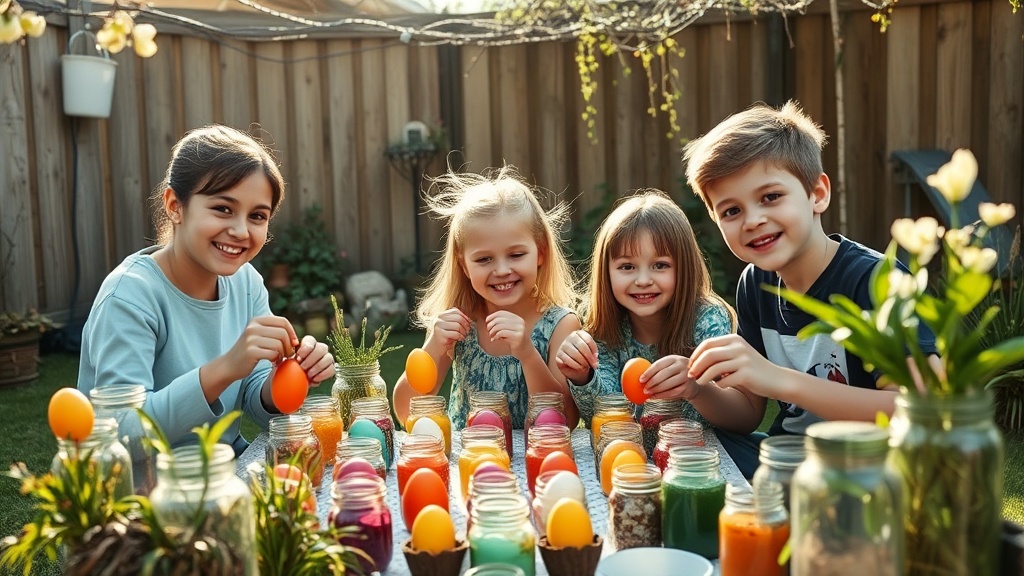
Eco‑Friendly Easter Eggs: DIY Natural Dyes & Zero‑Waste Crafts

Can Easter Egg Hunting Be Green and Fun?
When I first swapped out store‑bought plastic eggs for hand‑dyed shells, my kids asked, “Can we really make the colors at home?” The answer was a resounding yes — and a whole weekend of messy, joyful learning. Eco‑friendly Easter eggs let families celebrate the holiday while teaching kids where colors come from and why waste matters.
Why Switch to Natural Dyes and Reusable Eggs?
Traditional Easter eggs often involve synthetic dyes that end up in the landfill, plus a mountain of plastic shells that linger for centuries. By using natural pigments and reusable containers (think mason jars or silicone molds), you cut down on single‑use waste, keep chemicals out of the soil, and add a sensory lesson about plants, spices, and sustainability.
What Natural Ingredients Make the Best Egg Dyes?
Here are my go‑to pantry and garden heroes for vibrant, food‑safe colors:
- Beetroot (deep red) — Boil sliced beets in water, add a splash of vinegar for color‑fixing.
- Turmeric (sunny yellow) — Simmer turmeric powder in water; a pinch of salt helps the hue stick.
- Spinach (fresh green) — Blend fresh leaves, strain, and simmer; add a drop of lemon juice to brighten.
- Red cabbage (purple to blue) — The magic of pH: add a little baking soda for blues, vinegar for purples.
- Coffee grounds (rich brown) — Steep strong coffee; the natural tannins give an earthy tone.
All you need is water, a splash of vinegar (or lemon juice), and a pot. The recipes are simple enough for kids to help, and the leftover dye water can be poured into your compost bin as organic matter.
How Do I Prepare Reusable Egg Containers?
Instead of plastic shells, I love these three options:
- Mason jars — Clean, sterilize, and fill with a single egg. The glass is perfect for a garden‑themed Easter hunt where kids discover tiny seedlings inside each jar.
- Silicone egg molds — Flexible, dishwasher‑safe, and reusable for years. They give that classic egg shape without the waste.
- Egg‑shaped fabric pouches — Sewed from upcycled cotton scraps (check out my upcycled décor guide for fabric sourcing tips).
Whichever you choose, label each container with the dye color so kids can match the hue to the egg they’ve painted.
Step‑by‑Step: DIY Natural Dye Easter Eggs
Ready to get your hands dirty? Follow these steps, and feel free to improvise — the mess is part of the magic.
- Gather ingredients — Beet, turmeric, spinach, cabbage, coffee, vinegar, water, and your reusable containers.
- Make the dye baths — Simmer each ingredient in a separate pot (about ½ cup water per color) for 15‑20 minutes. Add 1‑2 tbsp vinegar (or lemon juice) to each.
- Cool the dyes — Let the liquid cool to room temperature; this prevents the eggs from cracking.
- Prep the eggs — If you’re using real eggs, boil them 10 minutes, then rinse. For plastic or silicone molds, fill with a raw egg or a small water‑filled balloon to give shape.
- Dip and swirl — Submerge each egg for 5‑10 seconds, then gently swirl for a marbled effect. For deeper color, let the egg sit longer.
- Dry and display — Place dyed eggs on a rack or in a shallow tray lined with newspaper. Let them air‑dry for 30 minutes.
- Recycle the dye water — Pour the leftover dye into your compost heap; the pigments enrich the soil.
Tip: Keep a small notebook of dye times and ingredient ratios. My kids love flipping through it like a field guide.
What Zero‑Waste Easter Activities Can Complement the Eggs?
When the eggs are ready, keep the eco‑vibe going with these garden‑friendly games:
- Seed‑ball hunt — Mix clay, compost, and native wild‑seed mix, roll into balls, and hide them alongside the eggs. Kids plant them later for a spring bloom.
- DIY bunny footprints — Use cut‑out cardboard shapes and sprinkle them with powdered beet dye for a biodegradable trail.
- Compost treasure hunt — Hide small, reusable “treasure” items (like wooden beads) in your compost bin. Teach kids what goes in and out of the system.
- Garden‑tool relay — Borrow a few smart garden tools (like a lightweight trowel) and set up a relay race for quick soil‑mixing challenges.
How Do I Store the Eggs for the Hunt?
Place each reusable container in a breathable basket lined with shredded newspaper. If you’re using glass jars, add a sprig of fresh herb (like rosemary) for a fragrant hint. The jars can double as mini garden décor pieces after the hunt, turning the celebration into lasting garden art.
What Are the Environmental Benefits?
By swapping out a dozen plastic eggs and synthetic dyes, you avoid roughly 150 grams of plastic waste and eliminate up to 30 g of chemical runoff. The leftover dye water adds organic matter to the compost, boosting microbial activity — a small step that aligns with the principles I discuss in my soil‑food‑web guide. Plus, the hands‑on experience reinforces the “dirt‑under‑the‑fingernails” philosophy that sustainable living starts with curiosity.
Ready to Make Your Easter Greener?
Grab a pot, a handful of garden herbs, and a couple of mason jars. The kids will love the splash of color, and you’ll love the reduced waste. This Easter, let the eggs be a canvas for nature’s palette and a reminder that every small change adds up to a thriving, edible jungle.
Takeaway
Eco‑friendly Easter eggs are simple, affordable, and a perfect family activity that teaches sustainability. Use natural dyes, reusable containers, and zero‑waste games to turn the holiday into a hands‑on lesson in caring for your garden and the planet.