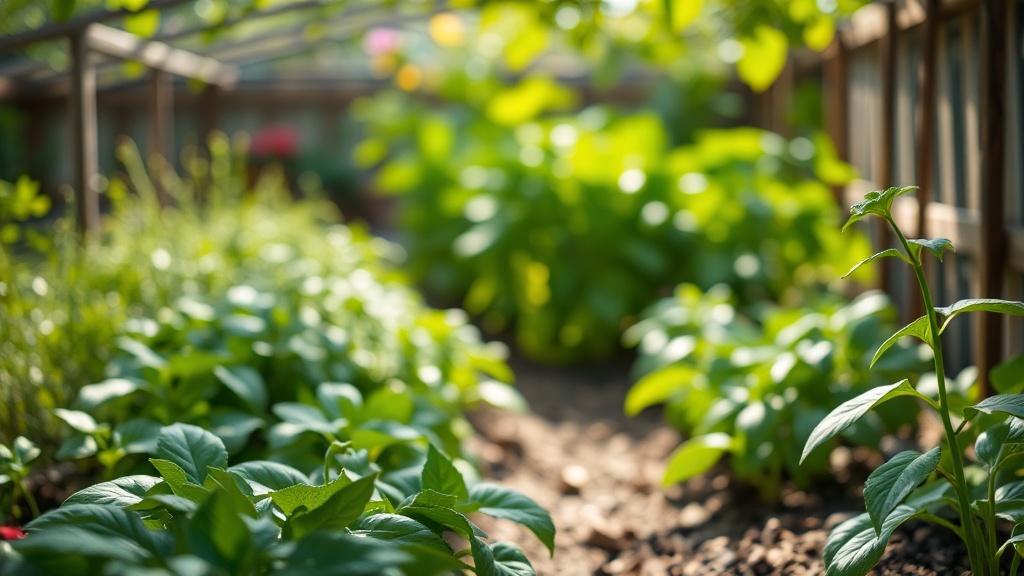
Can You Really Grow Food in a Shaded Backyard?

What's Eating Your Sunshine (and What to Do About It)
Does your backyard feel more like a forest floor than a sun-drenched plot? Maybe it's the mature oak that finally grew into its full canopy, the neighbor's fence-height hedge, or that two-story addition next door that's turned your vegetable dreams into patchy disappointment. Most gardening advice assumes you've got six to eight hours of direct sun, but plenty of us are working with dappled light, morning-only exposure, or full-on shade for half the day.
Here's the truth that took me years to fully embrace—shade isn't a death sentence for productive gardening. It's just a different kind of gardening. Once you stop fighting it (and believe me, I've tried hacking branches and painting walls white to reflect light), you discover a whole palette of plants that actually prefer the cooler, moister conditions shade provides. This guide covers what grows well with limited light, how to work with what you have, and why your shady plot might become your favorite part of the garden.
Which Vegetables Actually Thrive in Partial Shade?
Leafy greens are your new best friends. Lettuce, spinach, arugula, and Swiss chard all bolt slower in cooler conditions, which means longer harvest windows and sweeter leaves. Root crops like carrots, beets, and radishes handle partial shade surprisingly well—they'll take longer to mature, but they often taste better for it. (Hot sun can make radishes woody and carrots bitter.)
Herbs tell a mixed story. Mint, parsley, cilantro, and chives do beautifully with three to four hours of sun. Basil, rosemary, and thyme? They'll get leggy and sad without their solar fix. I've had great luck tucking herbs into the brighter edges of shaded beds while reserving the deeper shade for leaf crops.
Here's a practical breakdown by light level:
- 3–4 hours morning sun: Leaf lettuce, spinach, arugula, mustard greens, cilantro, parsley, chives
- Dappled light all day: Kale, collards, endive, radishes, small beets, bush beans (with lower yields)
- Heavy shade (2 hours or less): Stick to culinary herbs, decorative containers, or consider the woodland crops below
The key is managing expectations. Your tomatoes won't happen here—not the big slicing kind, anyway. But a steady supply of salad greens from May through October? That's absolutely doable, and you'll spend far less time watering and weeding than your full-sun neighbors.
What About Perennials and Woody Plants for Shade?
This is where shade gardening gets exciting. While annual vegetables are somewhat limited, edible perennials in shade offer remarkable variety. Raspberries and blackberries actually produce better fruit in partial shade in hot climates—the berries ripen more slowly, developing deeper flavor and better texture. Currants, gooseberries, and elderberries all evolved as understory plants and produce reliably with just a few hours of direct light.
For something truly different, consider the shade-loving crops most gardeners overlook. Ramps (wild leeks) emerge early in spring before tree canopies leaf out, then retreat underground for the summer. Hostas—yes, the ones in your grandmother's foundation planting—produce tender shoots in spring that are delicious sautéed. Daylily buds add crunch to stir-fries. Even the aggressive Japanese knotweed (if you dare to contain it) produces shoots that taste like tart citrus.
When I converted a neglected corner under my maple tree into a "woodland kitchen garden," I stopped seeing shade as a problem. The soil stays moist longer. Weeds grow slower. And there's something deeply satisfying about harvesting dinner from a spot that conventional wisdom says should be useless.
How Can You Maximize Light in a Shady Space?
Before you plant anything, spend a few days really observing your light. Use a simple smartphone app or just note when direct sun hits different areas. You might discover that what feels like "shade" is actually partial sun during crucial morning hours. South-facing walls and fences reflect surprising amounts of light—painting them a light color can boost available lumens by 20% or more.
Thinning lower tree branches (called "limbing up") can transform a dark corner into a viable growing space without hurting the tree. Remove the smallest, lowest branches to raise the canopy, letting slanted light penetrate during morning and evening hours. Just don't go overboard—trees need their leaves for photosynthesis, and stressed trees drop more of them (directly onto your garden).
For containers and raised beds, mobility is your friend. Wheeled planters let you chase the sun as the seasons change—what's shady in June might get afternoon light in August as the sun's angle shifts. Reflective mulches (crushed eggshells, light-colored gravel, or even aluminum foil strips) bounce light back up into plants from below.
What Are the Real Challenges (and Workarounds)?
Shade gardening isn't all gentle breezes and tender lettuce. Slugs and snails love moist, cool conditions, and they'll demolish seedlings overnight. I've found that crushed eggshell barriers, copper tape, and hand-picking at dusk (with a headlamp—it's oddly satisfying) keep populations manageable. Diatomaceous earth works too, though it needs reapplying after rain.
Soil in shaded areas often needs attention. Tree roots compete fiercely for nutrients and water, and years of leaf litter can create acidic conditions that suit some plants but not others. Building raised beds—just 6–8 inches above grade—creates a root barrier while improving drainage. Fill with quality compost and topsoil, and you'll have a manageable growing medium rather than fighting tree roots for every carrot.
Disease pressure can be higher in humid, still air. Space plants wider than usual to improve circulation, and water at the soil level rather than overhead to keep foliage dry. Choose disease-resistant varieties when available—those notes on seed packets about downy mildew resistance matter more in shade than sun.
Where Can You Learn More About Shade Gardening?
The University of Minnesota Extension offers excellent guidance on vegetable gardening in partial shade, including specific variety recommendations for northern climates. For edible landscaping inspiration, the Royal Horticultural Society's guide to vegetables for shade covers options that work on both sides of the Atlantic. If you're curious about the science of how plants adapt to low light, the Journal of Integrative Agriculture publishes peer-reviewed research on shade tolerance mechanisms in food crops.
Start small. Pick one shady corner, amend the soil well, and plant a mix of leafy greens and herbs. Keep notes on what thrives and what sulks. Within a season or two, you'll know exactly what your particular patch of shade can deliver—and you might find yourself expanding into areas you once considered hopeless. The best gardeners I know don't fight their sites; they learn them deeply, then plant accordingly.