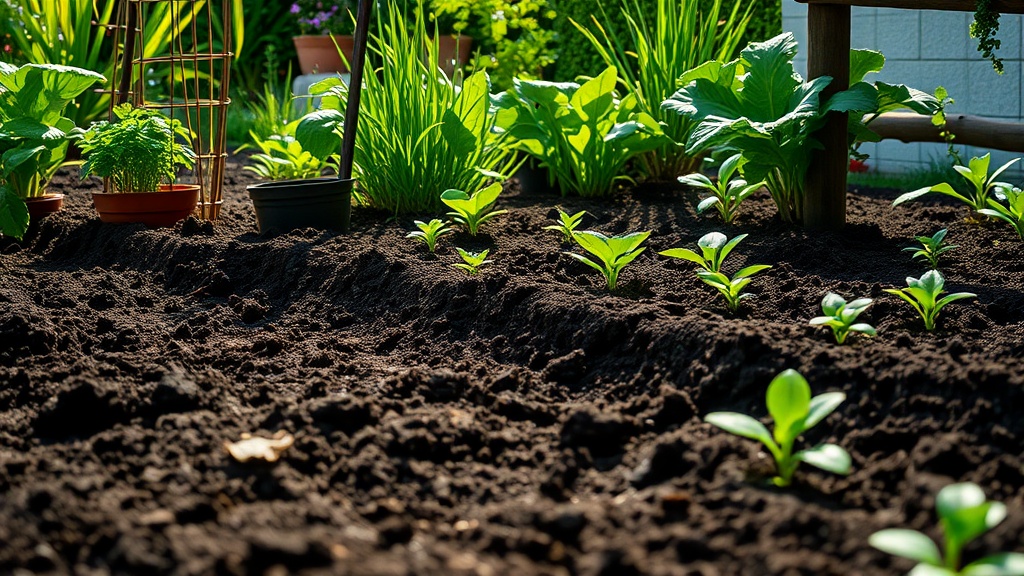
Building a Living Soil Foundation for Productive Backyard Gardens

The Difference Between Dirt and Living Soil
Imagine you're looking at two patches of ground. The first is a flat, brown expanse of compacted earth—it's hard, lifeless, and water just beads on top of it like a raincoat. The second is a dark, crumbly, slightly messy heap of earth that smells like a forest floor after a light rain. That difference isn't just looks; it's the difference between a space that just sits there and a space that actually produces food. If you're tired of planting things only to watch them wilt or struggle, the problem isn't your plant—it's the ground beneath your boots. Most backyard gardens fail because we treat soil like a static container rather than a living organism.
Real gardening starts with the biology of the ground. When we talk about soil, we aren't just talking about minerals. We're talking about a massive, invisible network of bacteria, fungi, and tiny insects that do the heavy lifting for us. When that network is healthy, your plants don't need much help. They've got a built-in support system. If you're starting with a patch of heavy clay or sandy desert, you're essentially starting a conversation with the earth. You have to listen to what it needs before you can expect it to give back.
I've spent years watching people buy expensive organic fertilizers only to see their plants still struggle. Why? Because they're trying to feed the plant, not the soil. It's like giving a person vitamins while they're starving; it doesn't work. You need to build the foundation first. A healthy soil structure allows roots to dive deep, holds onto water without drowning the plant, and creates a buffet for your vegetables and flowers alike.
How do I make my backyard soil healthy?
The first step is to stop fighting nature and start working with it. If your ground is hard and compacted, you don't necessarily need a massive tiller. In fact, tilling can often disrupt the delicate fungal networks you're trying to build. Instead, try the layering method. Start by adding organic matter—think compost, aged manure, or shredded leaves—directly on top of the surface. This is often called "no-dig" gardening. As these materials break down, worms and microbes will pull them down into the earth, naturally aerating the ground for you.
To see what your soil is actually doing, I highly recommend looking at the data from the USDA or local university extension offices. They provide incredible breakdowns of how soil composition affects plant growth. A common trick is to do a simple squeeze test. Take a handful of moist soil and squeeze. If it stays in a tight, hard ball, you've got too much clay. If it falls apart instantly, it's too sandy. You're aiming for a texture that holds its shape for a second but crumbles easily when poked—something the pros call a "crumb structure."
- Add Compost Regularly: Not just once a year, but in small increments throughout the growing season.
- Use Cover Crops: If you have an empty bed, plant clover or rye. They keep the soil covered and add nitrogen back into the ground.
- Mulch is Your Friend: A layer of straw or wood chips keeps moisture in and prevents the sun from baking the life out of your dirt.
Can I grow food in poor quality dirt?
The short answer is yes, but you'll have to be a bit more patient. If you're working with a patch of land that looks pretty hopeless, don't give up. You can build a raised bed system to bypass the bad ground entirely. This allows you to control exactly what goes into your garden from day one. However, even in a raised bed, you shouldn't just use store-bought bagged soil. Mix in plenty of organic matter to ensure long-term health.
Think of a raised bed as a controlled environment. You can layer compost, coconut coir, and perlite to create the perfect texture. This is a great way to transition from a yard that's just a lawn to a yard that's an edible ecosystem. Even if your backyard has a weird pH or heavy clay, you can eventually amend it. It's a long game. You aren't just growing a tomato; you're building a legacy of fertility. It takes time—sometimes a full season or two—to see the real transformation, but the results are worth the wait.
"The soil is the soul of the garden. If the soul is neglected, the body will never thrive."
I often tell people that the best thing they can do for their garden is to nothing at all. Stop weeding every single tiny sprout. Stop digging deep holes. Let the leaves fall. Let the worms do their job. A slightly messy garden is often a much more productive one. When we try to make things too clean and too perfect, we often strip away the very life that makes a garden thrive.
What are the best ways to improve soil drainage?
Drainage is one of the biggest hurdles for home gardeners. If your yard has a lot of standing water after a rain, your plants' roots might literally drown. This is common in heavy clay areas. One way to handle this is by adding organic matter like compost or well-rotted manure, which helps create channels for water to move through. Another approach is to build upwards. Instead of trying to fix the ground, build raised beds or even tall containers. This ensures your plants' roots are always in a well-draining medium.
For more technical details on soil composition and how to manage various types, checking out the NRCS website can give you a much deeper understanding of the geology in your specific region. Understanding whether you have a drainage issue or a nutrient issue is the first step to fixing it. If you see water sitting on top of your beds for hours, you need to focus on structure and organic matter rather than just adding more fertilizer. Adding more chemical fertilizer to wet, heavy soil is a recipe for disaster—it can actually lead to salt buildup and further damage your soil's health.
A good way to test your drainage without fancy tools is the percolation test. Dig a hole about a foot deep, fill it with water, and see how long it takes to empty. If it's still full an hour later, you have a serious drainage issue. In these cases, I'd rather see you building a raised bed than fighting a losing battle with the ground. You can even use reclaimed wood or stones to create beautiful, functional garden structures that solve the problem while adding a bit of charm to your backyard.
| Soil Type | Primary Challenge | Best Fix |
|---|---|---|
| Clay | Poor Drainage/Compaction | Add Compost & Raised Beds |
| Sand | Low Water Retention | Add Organic Matter & Mulch |
| Silt | Compaction/Slow Drainage | Frequent Light Aeration |
At the end of the day, your garden is a living, breathing thing. It's not a static decoration; it's a cycle. When you focus on the soil, you're focusing on the foundation of everything else. It's a much more rewarding way to garden, even if it feels a little more chaotic than a perfectly manicured lawn. Happy digging (or rather, happy layering)!