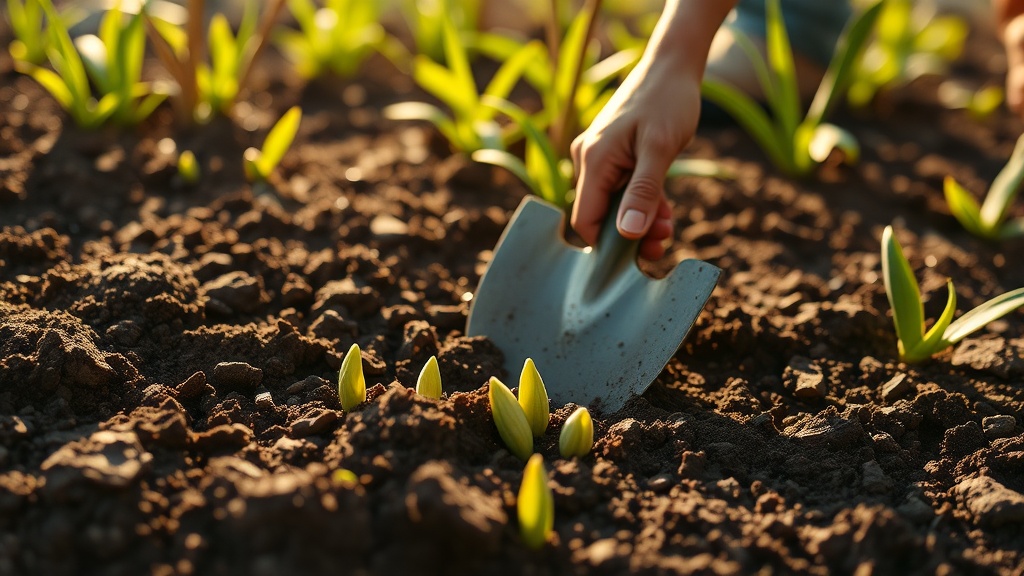
Boost Your Soil Food Web: 5 Microbial Strategies for a Thriving Zone 7b Garden This Spring

Can Your Garden’s Microbes Do the Heavy Lifting This Spring?
Imagine a bustling underground city where bacteria, fungi, and tiny critters work together to turn humble dirt into a nutrient‑rich feast for your plants. In Zone 7b, that city wakes up as soon as the last frosts melt. Give it the right boost now, and you’ll reap stronger vines, tastier tomatoes, and soil that stays healthy year after year.
What You’ll Need
- Fresh compost or well‑aged leaf mold
- Mycorrhizal inoculant (available at garden centers or online)
- Molasses or unsulfured brown sugar (for feeding microbes)
- A soil thermometer and pH meter
- Garden fork or broad‑tine shovel
Step‑by‑Step: Building a Thriving Soil Food Web
1. Test the Ground Truth: Soil Temperature & pH
Before you add anything, measure soil temperature at a 6‑inch depth. Aim for 55‑65°F (13‑18°C) – the sweet spot for microbial activity. Next, check pH; most Zone 7b veggies thrive at 6.0‑6.5. If you’re off, adjust with lime (to raise) or elemental sulfur (to lower). Read my soil‑testing checklist for a quick guide.
2. Feed the Micro‑Team with Molasses
Mix 1 tablespoon of unsulfured molasses into a gallon of water and drench the garden beds. This simple sugar feed sparks bacterial growth, which in turn releases nutrients for plants. Do it once a week for the first three weeks of spring.
3. Add Mycorrhizal Fungi – The Plant‑Root Superhighway
Sprinkle a mycorrhizal inoculant (about 1 tsp per 10 sq ft) into the planting holes or lightly mix into the top 4 inches of soil. These fungi extend root reach, improve phosphorus uptake, and increase drought tolerance—perfect for the variable spring rains of Asheville.
4. Incorporate High‑Quality Compost & Leaf Mold
Turn in a 2‑inch layer of well‑rotted compost or leaf mold. The organic matter feeds both bacteria and fungi, improves structure, and helps retain moisture. If you’re short on compost, check my low‑cost prep guide for budget‑friendly options.
5. Mulch with Living Cover Crops
Plant a quick‑growing cover crop like clover or winter rye between rows. As the plants grow, their roots exude sugars that feed microbes, and when you mow them down, you add fresh organic matter. This creates a continuous loop of microbial nourishment.
Pro Tips from the Garden Fence
- Morning watering. Water early so the soil dries slightly by evening—this encourages aerobic microbes, which are more beneficial than anaerobic ones.
- Avoid synthetic fertilizers. They can tip the microbial balance toward bacteria that favor rapid growth but leave soil structure depleted.
- Use a wooden fork, not a metal spade. Metal can disrupt delicate fungal hyphae; wood is gentler on the underground network.
Common Mistakes (and How to Fix Them)
- Over‑watering. Saturated soil becomes anaerobic, killing beneficial microbes. Aim for moist, not soggy.
- Skipping the pH check. Even a small pH shift can lock up nutrients. Adjust before adding amendments.
- Using fresh, un‑rotted compost. It can introduce pathogens and tie up nitrogen. Always let compost age at least 6 months.
- Applying too much molasses. Excess sugar can feed harmful microbes. Stick to the 1‑tablespoon‑per‑gallon rule.
Takeaway: Your Soil Food Web Is Ready for Spring
By testing temperature and pH, feeding microbes with a little molasses, inoculating with mycorrhizae, enriching with compost, and covering with living mulch, you create a vibrant soil ecosystem that powers healthy, productive plants all season long. Give these five steps a try, and watch your Zone 7b garden bounce back with vigor.
Further Reading
- Spring Soil Preparation: 7 Essential Steps for a Thriving Zone 7b Garden – a broader checklist for spring prep.
- Edible Perennials for Zone 7b – plan your long‑term harvest.
Happy soil‑tending, and may your garden’s underground city thrive!
Steps
- 1
Test soil temperature & pH
Measure temperature at 6‑inch depth (aim for 55‑65°F) and check pH (ideal 6.0‑6.5). Adjust with lime or sulfur as needed.
- 2
Feed microbes with molasses
Mix 1 tablespoon unsulfured molasses into a gallon of water and drench beds weekly for the first three weeks.
- 3
Add mycorrhizal inoculant
Sprinkle about 1 tsp per 10 sq ft into planting holes or top 4 inches of soil to boost root‑fungus networks.
- 4
Incorporate high‑quality compost & leaf mold
Turn in a 2‑inch layer of well‑rotted compost or leaf mold to feed microbes, improve structure, and retain moisture.
- 5
Mulch with living cover crops
Plant quick‑growing clover or winter rye; mow down to add fresh organic matter and feed soil microbes.