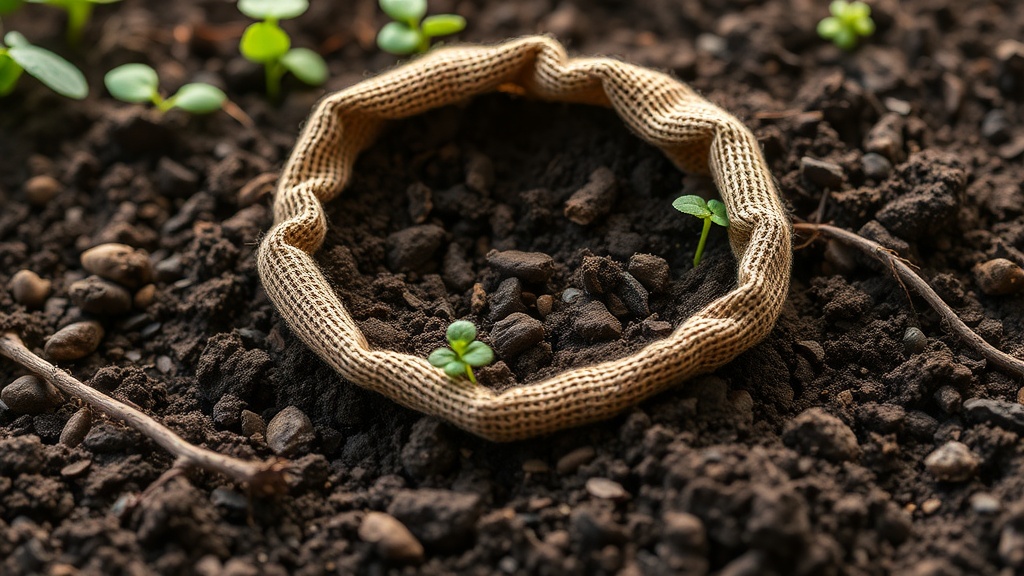
Beyond the Bag: Bringing Life Back to Tired Garden Soil

Why does my garden soil seem so lifeless?
Ever wonder why your once-vibrant garden patch now looks a bit… sad? You put in the work, you plant the seeds, but your plants just aren't thriving the way they used to. This isn't uncommon, especially in gardens that have been cultivated for years without much attention paid to the very foundation of plant health: the soil itself. When we rely solely on synthetic fertilizers, we're essentially giving our plants a quick hit of nutrients without addressing the underlying health of the soil ecosystem. This approach can lead to a depleted, compacted, and ultimately lifeless growing medium.
Think of your garden soil as a bustling city. For that city to function, it needs infrastructure, residents, and a continuous flow of resources. Synthetic fertilizers are like a fast-food delivery service – they might satisfy an immediate hunger, but they don't build sustainable systems. Over time, the beneficial microbes, fungi, and invertebrates that create healthy soil structure and make nutrients available to plants can dwindle. You might notice your soil becoming hard and clumpy, draining poorly, or drying out too quickly. These are all signs that your soil's 'city' is struggling, and it needs a comprehensive revitalization, not just another quick fix.
The symptoms are clear: slow growth, yellowing leaves, increased susceptibility to pests and diseases, and a general lack of vigor in your plants. These aren't necessarily individual plant problems; often, they're symptoms of a deeper issue below the surface. Understanding these signs is the first step toward transforming your garden into a truly productive and resilient space. It's about shifting our perspective from feeding the plant to feeding the soil, allowing nature to do what it does best.
What can I add to my soil to make plants happier?
So, you've identified that your soil needs a boost. The good news is, you don't need a degree in soil science or a truckload of expensive products to turn things around. The answer lies in organic matter – the decomposed remnants of plants and animals – which is the true powerhouse of healthy soil. Incorporating organic amendments is like giving your soil a superfood diet, providing a slow-release buffet of nutrients and creating an ideal habitat for all those beneficial organisms.
- Compost: The Garden's Black Gold. If there's one thing every gardener should be adding to their soil, it's compost. This rich, dark, crumbly material is packed with nutrients, improves soil structure, enhances water retention in sandy soils, and helps drainage in clay soils. You can make your own compost from kitchen scraps and yard waste, or purchase it from a reputable supplier. Aim to incorporate a few inches of well-rotted compost into your garden beds annually, either by gently forking it into the top few inches or by simply spreading it as a top dressing. The organisms will do the rest of the work, pulling it deeper into the soil profile.
- Cover Crops: Nature's Green Blanket. Don't leave your garden beds bare over winter! Cover crops, sometimes called 'green manure,' are plants grown specifically to benefit the soil rather than for harvest. Legumes like clover or vetch add nitrogen, while grains like rye or oats build biomass and prevent erosion. They suppress weeds, improve soil structure with their root systems, and when tilled into the soil (or simply chopped and dropped), they return valuable organic matter and nutrients. This is an incredibly effective way to keep your soil alive and active even when your main crops aren't growing.
- Mulch: The Soil's Protective Layer. A generous layer of organic mulch – think straw, wood chips, shredded leaves, or grass clippings – does wonders for your soil. It insulates the soil, moderates temperature fluctuations, suppresses weeds, and conserves moisture, meaning you'll water less. As it breaks down, mulch slowly adds organic matter, feeding the soil life beneath. Just be sure to keep mulch a few inches away from plant stems to prevent rot and pest issues.
- Worm Composting (Vermicomposting): Tiny Workers, Big Impact. For a truly hands-on and highly effective way to create nutrient-rich soil amendments, consider a worm bin. Red wiggler worms are incredible composters, transforming food scraps into 'worm castings' – a super-charged fertilizer that's gentle yet incredibly potent for your plants. It's a fantastic closed-loop system for small-scale waste management and soil enrichment.
By consistently integrating these organic materials, you’ll not only be feeding your plants but actively rebuilding the health and resilience of your soil. This long-term investment pays dividends in stronger plants and less work for you down the line. For more detailed guidance on improving soil with organic matter, the