5 DIY Natural Pest Repellents to Protect Your Spring Garden

Hook: Tired of tiny critters turning your fresh lettuce into a snack for the neighborhood insects? You don’t need a chemical arsenal—just a few pantry staples and a dash of garden savvy.
Context: Spring is the busiest season for gardeners, and it’s also the time pests emerge. From aphids to squash bugs, they can quickly undo weeks of hard work. Luckily, nature offers plenty of low‑cost, DIY solutions that fit perfectly into Callie’s “dirt‑under‑the‑fingertips” philosophy.
What are the best natural pest repellents for a spring garden?
Below are five tried‑and‑true recipes that use ingredients you likely already have. Each one targets a different group of garden pests while staying safe for pollinators, soil microbes, and your edible plants.
1. Garlic‑Pepper Spray — A Broad‑Spectrum Deterrent
Why it works: Garlic contains sulfur compounds that irritate the sensory organs of many insects, while hot peppers add capsaicin, a natural irritant.
Ingredients:
- 4 cloves garlic, minced
- 1½ tsp hot pepper flakes (or 1 fresh chili, chopped)
- 2 cups water
- 1 tbsp liquid dish soap (biodegradable)
How to make:
- Blend garlic and pepper flakes with ½ cup water; let sit 15 minutes.
- Strain the mixture into a pot, add the remaining water, and bring to a simmer for 5 minutes.
- Cool, then stir in the dish soap (acts as an emulsifier).
- Transfer to a spray bottle and apply every 5‑7 days, focusing on leaf undersides.
Pro tip: Test on a single leaf first; some sensitive greens (like lettuce) may show mild leaf scorch.
2. Neem Oil Tea — The All‑Purpose Organic Insecticide
Why it works: Neem oil disrupts insect hormone systems, preventing feeding and reproduction.
Ingredients:
- 1 tsp cold‑pressed neem oil
- 1 tsp mild liquid soap
- 1 quart warm water
How to make:
- Mix neem oil and soap; the soap helps the oil disperse in water.
- Add the mixture to warm water and stir well.
- Spray early morning or late afternoon to avoid leaf burn.
Best for: Aphids, whiteflies, and spider mites.
3. Coffee Grounds Mulch — Repel Slugs & Snails
Why it works: The gritty texture and caffeine act as a barrier that most mollusks dislike.
How to apply:
- Collect used coffee grounds (dry them slightly on a tray).
- Spread a thin, even layer (about ¼‑½ inch) around the base of vulnerable plants.
- Reapply after heavy rain.
Extra benefit: Coffee grounds add nitrogen to the soil, feeding the microbial food web you love.
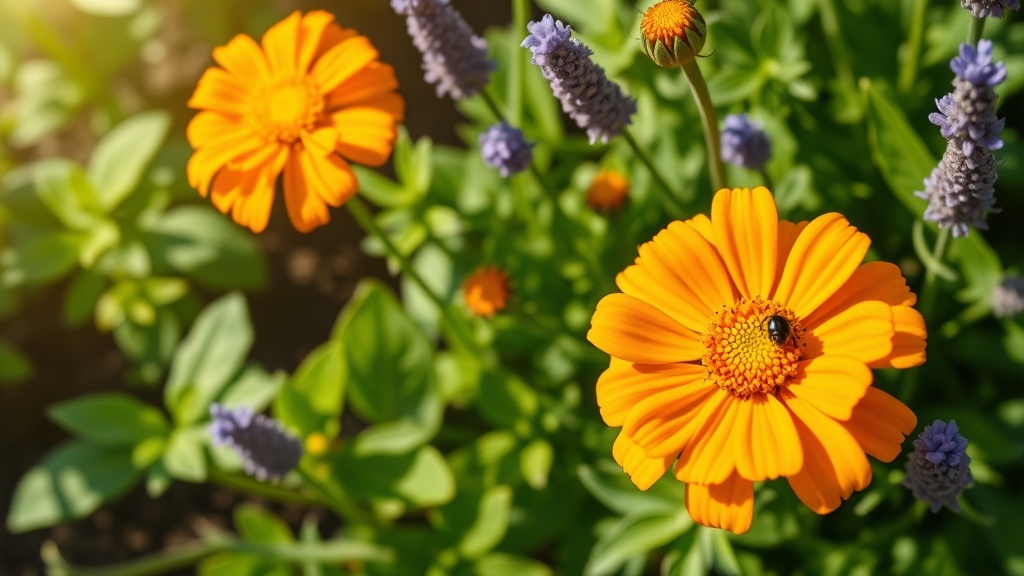
4. Companion Plant Aromatics — Marigold, Basil, and Mint
Why it works: Strong scents mask the chemical cues that pests use to locate host plants.
Implementation:
- Plant marigolds between tomato rows to deter nematodes.
- Intercrop basil with peppers to keep aphids away.
- Use mint in pots (it spreads aggressively) near cabbage to repel cabbage moths.
Pro tip: Rotate the placement each season to avoid soil‑borne diseases.
5. Diatomaceous Earth (DE) — Mechanical Insect Killers
Why it works: DE is made of fossilized algae with microscopic sharp edges that pierce insect exoskeletons, causing dehydration.
How to apply:
- Lightly dust the soil surface and plant stems after watering.
- Reapply after rain or heavy watering.
- Keep DE away from direct contact with pollinators—apply only on foliage where pests hide.
How do I integrate these repellents without harming beneficial insects?
- Timing: Apply sprays in the early morning or late evening when pollinators are less active.
- Targeting: Focus on the undersides of leaves where pests hide; avoid blanket‑covering flowers.
- Rotation: Switch between garlic‑pepper and neem sprays weekly to prevent pest resistance.
- Observe: Keep a garden journal (your "Sunday Soil" notes) to track which recipes work best for each plant.
Where can I learn more about organic pest management?
- The University of California Integrated Pest Management program provides science‑backed guidelines (UC IPM).
- USDA’s Organic Production Manual outlines approved natural inputs (USDA Organic).
- The Royal Horticultural Society’s pest‑control page offers region‑specific tips (RHS).
Takeaway
You don’t need a store‑bought pesticide cocktail to keep your spring garden thriving. With five simple, DIY repellents — garlic‑pepper spray, neem oil tea, coffee grounds mulch, aromatic companion plants, and diatomaceous earth — you can protect your edible jungle while feeding the soil food web and welcoming pollinators.
Give one of these a try this weekend, note the results in your garden journal, and share your success with the Green Gardens community. Your garden will stay vibrant, chemical‑free, and buzzing with life—just the way nature intended.