2026 Garden Trends: Vertical, Water‑Wise & Tech‑Savvy Ideas for Small Yards

Ready to turn your modest backyard into a headline‑making garden? 2026 is bringing a wave of vertical, water‑wise, and tech‑savvy ideas that let even the smallest yards feel lush, productive, and low‑maintenance.
As a former landscape designer turned suburban‑jungle gardener, I’m always hunting for fresh angles that keep my 1/4‑acre plot in Asheville thriving while staying kind to the planet. Below is my quick‑hit guide to the biggest trends you can start today—no fancy equipment required.
What are the headline garden trends for 2026?
Industry experts and garden‑centric publications point to three overlapping themes for the year:
- Vertical gardening—maximizing limited space with trellises, wall planters, and tiered systems.
- Water‑wise design—gravel beds, rain‑water harvesting, and drought‑tolerant plant palettes.
- Smart garden tech—soil sensors, AI‑driven irrigation, and data‑rich apps.
Read the full trend roundup on The Spruce and Sunset Magazine for deeper market insights.
How can I start a vertical garden on a small lot?
Vertical systems let you grow more in less ground area. Here’s a step‑by‑step starter kit you can assemble with a weekend’s worth of DIY:
- Pick a sturdy framework. A reclaimed wooden pallet, a metal trellis, or a simple bamboo lattice works. I love repurposing an old pallet—its gaps double as natural drainage channels.
- Choose the right plants. For Asheville’s Zone 7b, herbs (basil, thyme), leafy greens (lettuce, kale), and compact vining beans thrive on a vertical plane. My seed‑starting guide covers timing.
- Use quality soil mix. A 1:1:1 blend of compost, peat‑free coir, and perlite gives good water retention without becoming soggy.
- Water wisely. Install a drip line that runs along the back of the structure; a smart drip timer can cut usage up to 40%.
- Monitor and harvest. Check leaf moisture daily and harvest as soon as greens reach bite‑size. The vertical set‑up encourages faster growth because foliage gets more sunlight.
Vertical gardens also double as pollinator highways. I’ve seen mason bees love the shallow crevices of pallet boards—see my Mason Bees post for tips on attracting them.
Why is water‑wise gardening essential in 2026?
Climate patterns are shifting, and water scarcity is becoming a real concern even in the Appalachian foothills. A water‑wise garden not only conserves a precious resource but also reduces your utility bill and keeps plants healthier during dry spells.
Key tactics:
- Gravel beds. Replace traditional mulch with decorative gravel. It reflects heat, reduces evaporation, and provides an attractive, low‑maintenance surface. (See PHSoN’s gravel gardening trend.)
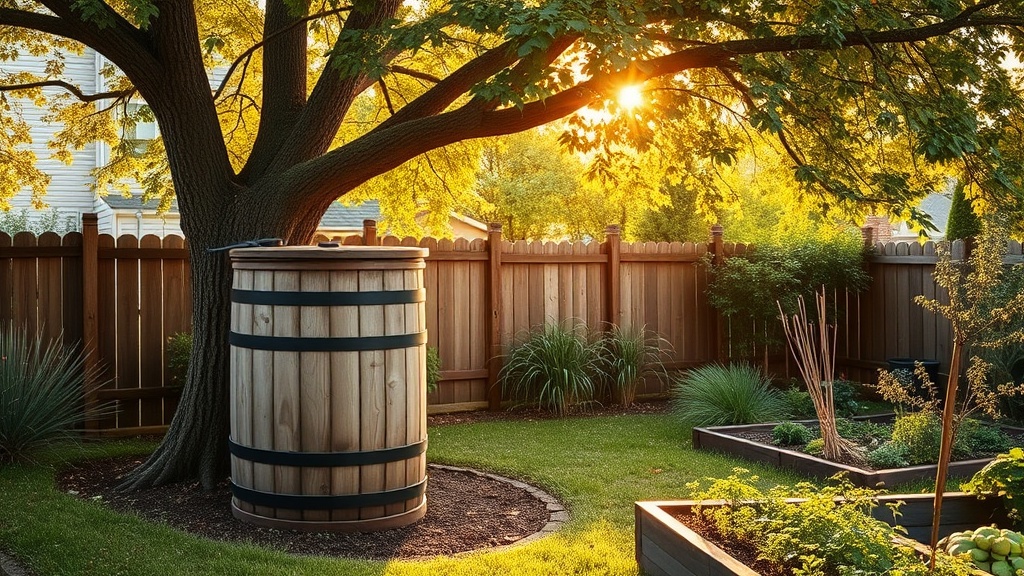
- Rain‑water harvesting. A 55‑gallon rain barrel under a maple or oak can capture enough water for a small vegetable patch. I installed one last spring; the barrel now supplies ~30% of my irrigation needs.
- Drought‑tolerant plant palettes. Choose native grasses, sedums, and lavender. These plants thrive on minimal watering and support local wildlife.
For a deeper dive on soil health, revisit my soil testing post. Knowing your soil’s water‑holding capacity is the foundation of any water‑wise plan.
How can smart tech make my garden more sustainable?
2026 is the year garden tech finally feels like a true partner rather than a gimmick. Sensors placed at root depth feed data to an app that tells you exactly when and how much to water.
- Soil moisture sensors. Devices like the Parrot Flower Power or Ecowitt Soil Moisture Probe sync to your phone, alerting you when soil drops below a set threshold.
- AI‑driven irrigation controllers. Brands such as Rachio now use machine‑learning to predict evapotranspiration based on local weather forecasts, automatically adjusting watering schedules.
- Garden management apps. Gardenize and PlantSnap now integrate sensor data, giving you a holistic view of plant health, pest pressure, and nutrient needs.
My own setup combines a cheap Bluetooth moisture sensor with a Rachio 3 controller. The system has cut my summer watering by roughly 35% while keeping my heirloom tomatoes juicy.
What are the quick‑hit actions I can take this week?
Pick three from the list below and watch your garden transform:
- Install a vertical herb tower. Use a 4‑foot wooden pallet, line the back with landscape fabric, and fill with potting mix. Plant basil, cilantro, and mint.
- Set up a rain barrel. Position it under your existing maple, add a mesh screen to keep debris out, and connect a simple hose‑spigot for easy watering.
- Add a moisture sensor. Stick it near your most water‑intensive beds, sync to the app, and let the data guide your watering schedule.
These steps cost under $100 total and pay for themselves within the first season through water savings and higher yields.
What’s the long‑term vision for a sustainable, small‑yard garden?
Imagine a backyard that looks like a living, breathing ecosystem: vertical trellises brimming with herbs, a gravel‑grounded pollinator haven, and a smart controller that waters only when the soil whispers it’s thirsty. That vision isn’t far off—just layer these trends over time, starting with the quick‑hit actions above.
Takeaway
2026’s garden trends give you the tools to maximize space, conserve water, and let data do the heavy lifting. Start with a vertical herb tower, capture rainwater, and add a moisture sensor. Your small yard will feel bigger, greener, and more resilient—while staying true to the “dirt‑under‑the‑fingernails” ethos I champion.
Frequently Asked Questions
- What’s the best plant for a vertical garden in Zone 7b? Leafy greens like lettuce and kale, plus vining beans, perform well and harvest quickly.
- Do I need a permit for a rain barrel? Most North Carolina municipalities allow up to 55‑gallon barrels without a permit; check local codes for larger systems.
- Can I use a smartphone app without a dedicated sensor? Yes—apps like Gardenize use weather data to estimate watering needs, though a sensor gives more precise results.